



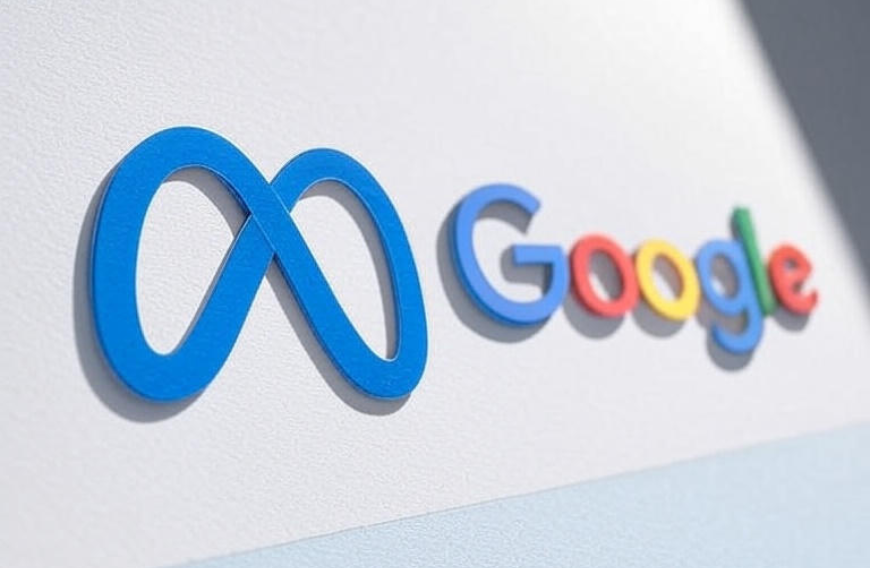
Mark Zuckerberg’s Meta is all set to outdo Google, when it comes to ad revenue. As per Emarketer, Meta Platforms is projected to surpass Alphabet’s Google in digital advertising revenue globally by the end of 2026, and dethrone the search-engine behemoth in the lucrative business.
The Instagram-owner’s global net ad revenues are expected to reach $243.46 billion in 2026, ahead of Google’s projected $239.54 billion, the market research firm said.
“In surpassing Google, Meta has essentially had many of its core strategies validated,” said Max Willens, principal analyst at Emarketer.
The shift is largely driven by Meta’s faster growth rate. Analysts expect the company’s ad revenue to grow at over 24%, fueled by its aggressive use of artificial intelligence to improve ad targeting and performance. Platforms like Instagram and Facebook continue to attract massive user engagement, while short-form video formats such as Reels are helping Meta compete effectively with emerging rivals.
READ: Meta builds AI Mark Zuckerberg for employee access (April 13, 2026)
Meta has diversified its monetization strategies, expanding ads across newer platforms like WhatsApp and Threads. In contrast, Google’s growth is likely to remain relatively slower, as its core search advertising business faces increasing competition and gradual market saturation.
Emarketer said the driving force behind the change is Meta’s accelerated growth rate, which is forecast to increase to 24.1% this year from 22.1% in 2025.
It looks like Meta Platforms is entering a phase of strategic maturity, where its long-term bets are beginning to translate into sustained competitive advantage. Moving beyond its earlier dependence on social networking alone, Meta is increasingly positioning itself as a full-scale digital advertising ecosystem, capable of integrating content, commerce, and communication into a unified user experience. This evolution strengthens its ability to capture advertiser interest across multiple touchpoints, making it less vulnerable to shifts in any single platform or format.
READ: Meta deepens ties with CoreWeave with $21 billion deal (April 10, 2026)
This trajectory signals a deeper transformation in how digital advertising itself is structured. Meta’s emphasis on automation, machine learning, and performance-driven advertising reflects a broader industry move toward efficiency and measurable outcomes. As advertisers prioritize return on investment, platforms that can offer precision targeting and scalable tools are likely to command a larger share of global spending. In this context, Meta’s technological capabilities may give it a structural edge.
With greater scale comes greater scrutiny. As Meta expands its influence, it is likely to face intensified regulatory attention, particularly around data privacy, competition, and platform responsibility. Sustaining its momentum will therefore depend not only on innovation and growth, but also on its ability to navigate complex policy environments and maintain user trust.
As per Reuters, analysts have said smaller platforms like Snap and Pinterest remain most exposed to ad budget cuts during geopolitical uncertainty, as spending concentrates on larger platforms such as Meta and Google.