



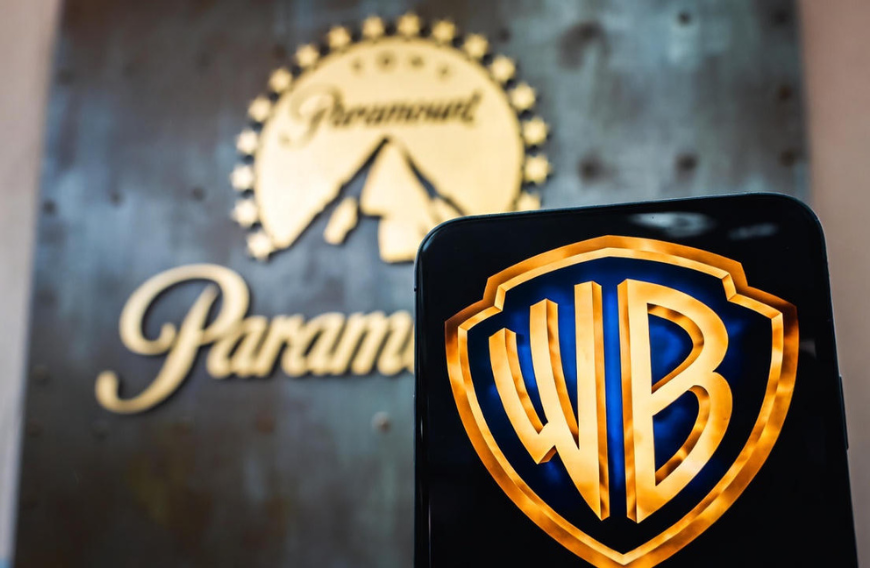
A coalition of more than 1,000 actors, writers and directors is voicing strong opposition to a proposed roughly $110 billion merger between Paramount and Warner Bros. Discovery, warning it could significantly reshape the entertainment industry.
In an open letter, the group urged regulators to scrutinize the deal, arguing that combining two of Hollywood’s largest studios would concentrate power and reduce opportunities for creative workers. The signatories say the merger comes at a time when the industry is already facing economic pressure and rapid change driven by streaming and shifting audience habits.
Among those who signed the letter are prominent figures including Mark Ruffalo, Emma Thompson, Joaquin Phoenix, Kristen Stewart and Jane Fonda. Other notable names include Ben Stiller, Lin-Manuel Miranda and J. J. Abrams, as well as performers such as Javier Bardem, Glenn Close, Lily Gladstone and Ted Danson.
In the letter, the group warns the merger could lead to fewer films and television series being produced, potentially resulting in job losses across production and post-production roles. One excerpt from the letter states:
“fewer opportunities for creators, fewer jobs across the production ecosystem, higher costs and less choice for audiences in the United States and around the world.”
They also argue that fewer major studios could limit opportunities for emerging and independent creators, making it harder for new voices to break into the industry.
Read: Warner Bros. celebrates Oscar success amid looming Paramount deal
Critics further contend that increased consolidation may reduce competition, leading to more cautious decision-making and fewer risks on original or diverse storytelling. The concern, they say, is that audiences could ultimately see a narrower range of content.
The proposed deal is part of a broader wave of consolidation across the media and entertainment sector, as companies seek to scale up to compete globally in the streaming era. Industry professionals say that trend has already contributed to fewer mid-budget projects and increased uncertainty for workers.
Supporters of the merger, however, argue that greater scale would allow the combined company to better compete with global streaming giants and invest more heavily in content. Company leaders have indicated that both studios would continue producing films and television, though details about long-term operations remain unclear.
Regulators are expected to review the proposal closely, with competition concerns likely to play a central role in any decision.
For many in Hollywood, the letter represents a rare show of unity across creative fields, and a sign of growing anxiety about the industry’s future as consolidation accelerates.