



Mounting criticism emerged against Donald Trump as concerns grew over his handling of the Iran conflict and shifting immigration enforcement priorities, with commentators and political observers questioning whether his administration is delivering on key promises.
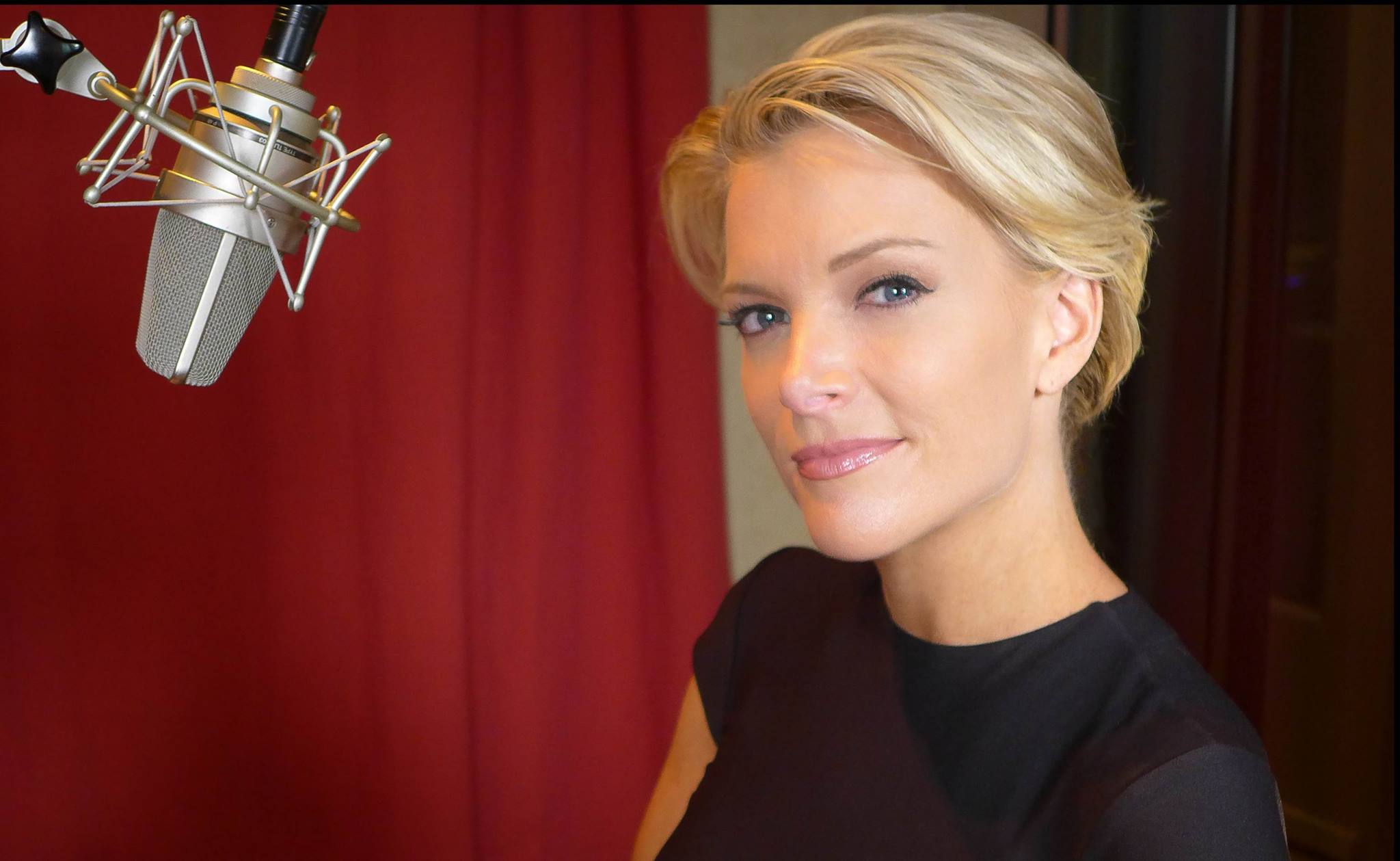
The backlash intensified following remarks from media personality Megyn Kelly, who sharply criticized what she described as a deviation from Trump’s immigration agenda amid global distractions.
Kelly’s remarks highlight frustration among segments of the public who believe the administration is losing focus on domestic priorities. Her comments suggest that foreign policy challenges, including tensions involving Iran, are diverting attention from immigration enforcement, a cornerstone issue that helped mobilize Trump’s voter base.
READ: Multiple US visa rejections: Indian parents denied B1/B2 4 times (April 16, 2026)
Critics, including several Democratic leaders, argue that Trump has failed to uphold U.S. leadership in the ongoing geopolitical tensions with Iran, pointing to inconsistent messaging and a lack of clear strategic direction.’ Distractions abroad should not be an excuse to pull back on the clear and present danger here at home.’ Megyn said on her show, The Megyn Kelly Show. They contend that this perceived weakness abroad is now intersecting with policy confusion at home.
Her comments underline a broader concern that enforcement tactics have shifted unpredictably, affecting not only targeted individuals but also others caught in enforcement actions. For many immigrant communities, including Indian Americans, such uncertainty fuels anxiety around due process, civil liberties, and the risk of being swept into enforcement operations.
Democratic lawmakers have increasingly positioned themselves as advocates for immigrant protections, emphasizing legal safeguards and community stability. They argue that enforcement must remain consistent, transparent, and aligned with constitutional principles, particularly as immigrant communities contribute significantly to sectors like technology, healthcare, and media.
Kelly also raised concerns about the practices of U.S. Immigration and Customs Enforcement, highlighting how enforcement tactics may be shifting on the ground. In her way of lashing out at the failure of President Trump, ‘If they then encounter other illegals in the attempt to arrest those ten, they would arrest them too.’ She mentions that the US ICE is arresting and deporting anyone in their way. Instances from protests, social media posts, or even standing or living nearby.
READ: FBI probes assault on Savanah Hernandez at ICE protest (April 12, 2026)
The debate also intersects with broader digital and cultural ecosystems. Platforms like YouTube have amplified these discussions through livestreams and political commentary, shaping public perception, while monetization systems reward high-engagement, often polarizing content. This dynamic has intensified scrutiny of immigration and foreign policy narratives among diaspora audiences.
Megyn shows concern about how immigration enforcement priorities have narrowed significantly, focusing only on high-risk cases while reducing broader arrests, raising questions about consistency and policy effectiveness. ‘It appears we’re not really doing them much, if at all, so it’s gone from worst first to worst only, which is not what we agreed to. That is not why we elected President Trump.’
‘That is not why we elected President Trump.’ Megyn underscores frustration among supporters who believe current policies diverge from campaign promises, particularly on immigration enforcement and maintaining consistent domestic priorities.
As criticism grows, the political stakes continue to rise. For many voters, the central question remains whether the administration can balance global challenges with domestic commitments or whether shifting priorities signal a deeper disconnect between campaign promises and governance.