



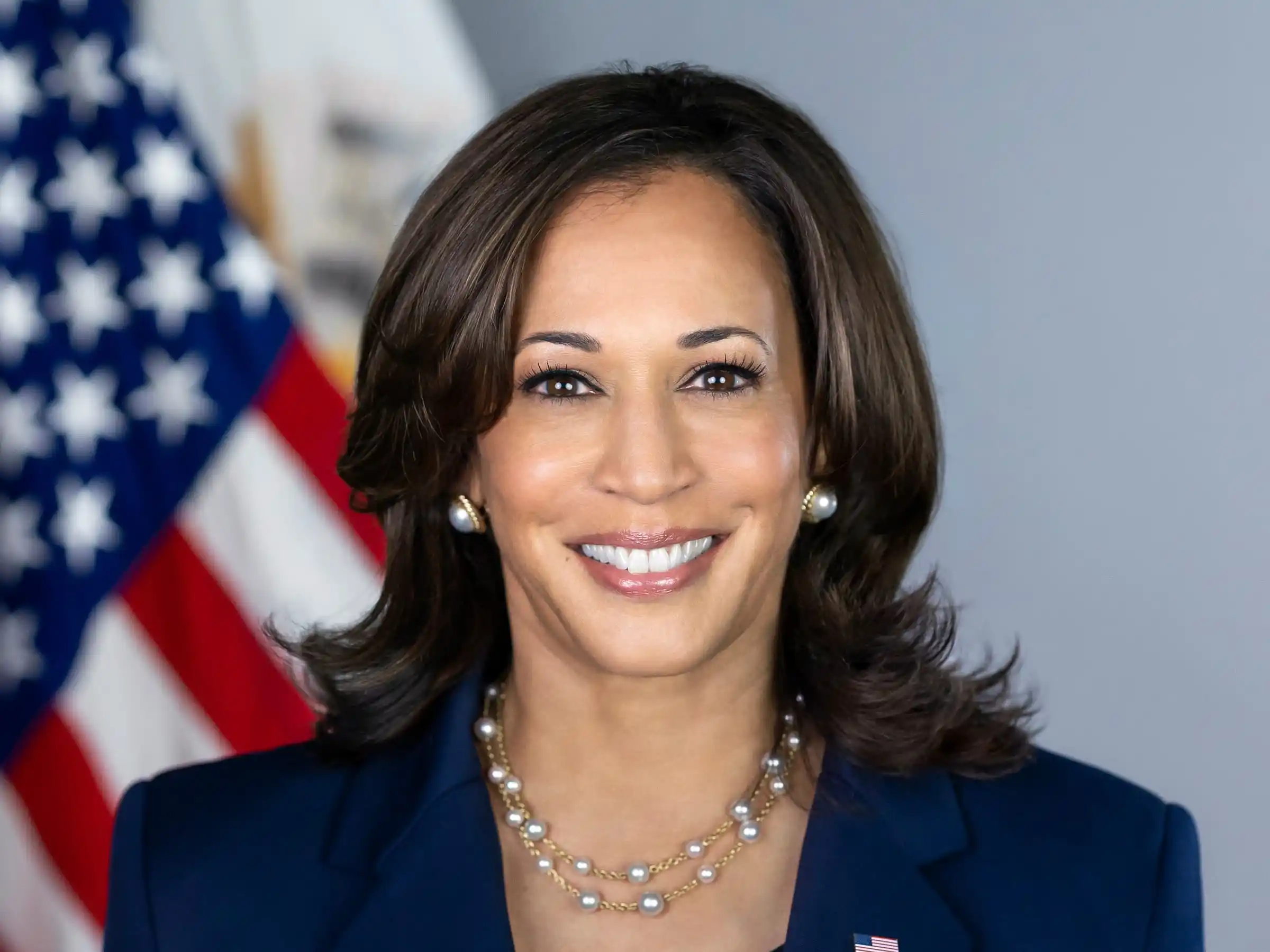
Former Vice President Kamala Harris delivered a sharp rebuke of President Donald Trump’s foreign policy at a fundraiser in Detroit, warning that his leadership has strained alliances and drawn the United States into conflicts against public sentiment. Her remarks underscore growing unease among policymakers and diaspora communities about America’s global standing.
“This president is the first president of the United States since World War II to abandon America’s responsibility to one, a responsibility we assumed imperfect though we are, to nurture and protect our alliances, our friendships,” Harris said at the event on Saturday. The statement reflects long-standing bipartisan concern about the erosion of post-World War II alliances, particularly NATO and Indo-Pacific partnerships, which many analysts say have underpinned global stability and U.S. influence for decades.READ
“And to thumb his nose at them, and two, to not even pretend and in fact dismiss the importance of upholding international rules and norms, such as sovereignty and territorial integrity. What he has done is he has, one, in the eyes of our allies, made us unreliable,” the former vice president said.
Her remarks come amid heightened geopolitical tensions, where adherence to sovereignty and international law remains central. Critics argue that wavering U.S. commitments risk emboldening adversaries and unsettling allies, particularly in regions already facing conflict and territorial disputes.
READ: The Karbala moment: Iran, Trump’s bluff, and the conscience of a silent world (April 20, 2026)
Harris also pointed to U.S. involvement in ongoing conflicts, linking Trump’s decisions to foreign leadership influence. “He entered a war, got pulled into it by Bibi Netanyahu. Let’s be clear about that. Entered a war that the American people do not want, putting at risk American service members. And among the many,” she said. The reference points to concerns in Washington over the extent of Israeli Prime Minister Benjamin Netanyahu’s influence on U.S. military posture, especially as public opinion polls show declining support for overseas interventions.
The Indian American diaspora, one of the fastest-growing and politically engaged communities in the United States, has closely followed these developments. Many community leaders emphasize the importance of stable U.S.-India relations and a predictable global order, expressing concern that shifting alliances could affect economic ties and regional security in South Asia.
As the 2026 political landscape takes shape, Harris’ remarks signal a broader Democratic narrative, claiming Trump’s foreign policy is both destabilizing and disconnected from public sentiment. The debate over America’s global role—and the balance between alliance-building and unilateral action—appears to remain a defining issue in the months ahead.