



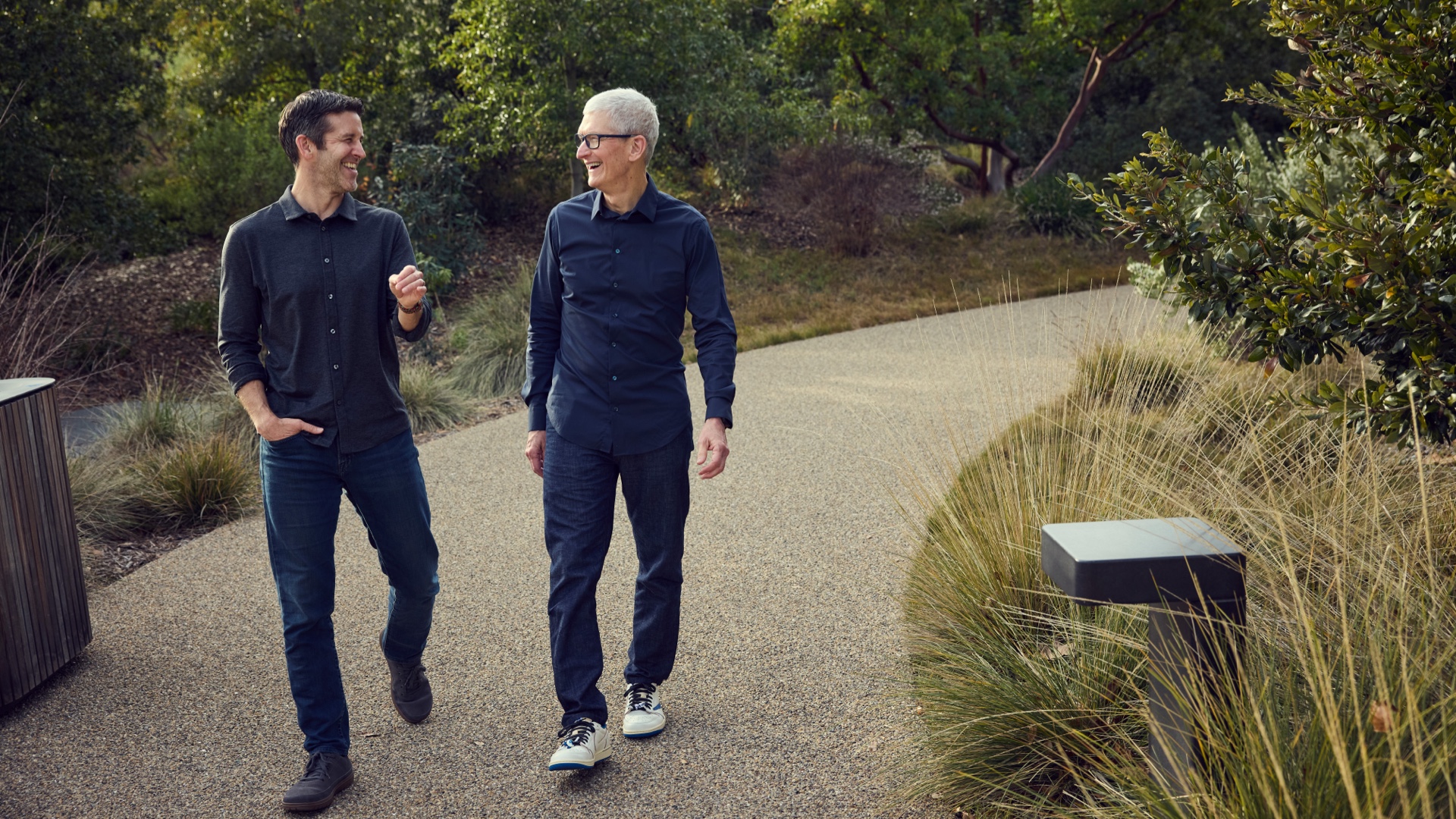
Apple Inc. said it will elevate John Ternus to chief executive officer effective September 1, 2026, while current CEO Tim Cook will transition to executive chairman, formalizing a long-anticipated succession at the iPhone maker.
Ternus, widely considered one of Apple’s most influential product leaders, steps into the top role after years of shaping the company’s hardware strategy. As senior vice president of hardware engineering, he has overseen development across flagship products, including iPhone, iPad, and Mac. Colleagues describe him as detail-oriented and deeply involved in product design, with a leadership style that blends engineering discipline with Apple’s signature focus on user experience.
His rise reflects Apple’s continued prioritization of hardware-software integration, a cornerstone of its success. Ternus has played a key role in Apple’s transition to custom silicon, helping drive performance gains and tighter ecosystem control. Analysts say his technical expertise positions him to lead the company through its next wave of innovation, particularly in artificial intelligence and next-generation devices.
READ: Apple to close Towson store, 2 others in US (April 10, 2026)
In internal communications, Ternus has emphasized continuity while outlining future priorities. He has pointed to expanding Apple’s in-house chip capabilities, accelerating AI integration across products, and advancing environmental goals. His vision suggests Apple will refine its existing product lines while steadily pushing into new technology categories.
Cook, who has led Apple since 2011, will remain closely involved as executive chairman, focusing on long-term strategy and governance. Under his leadership, Apple grew into one of the world’s most valuable companies, expanding its services business and strengthening its global supply chain. His continued presence is expected to provide stability during the transition.
READ: Apple tests new Siri feature that handles multiple commands at once (March 31, 2026)
Other Apple executives have voiced strong support for Ternus, highlighting the company’s culture of internal succession and long-term planning. Leadership has framed the change as a natural evolution, not a strategic shift, reinforcing confidence in Apple’s direction.
The transition carries broader institutional significance. As one of the world’s second most valuable companies, Apple’s leadership changes often influence market sentiment and industry trends. Early investor response has been positive, with many viewing Ternus as a steady, technically grounded choice.
As the handover approaches, Ternus faces the challenge of sustaining Apple’s growth while navigating a rapidly evolving tech landscape. His tenure will likely be defined by how effectively he balances continuity with innovation in an increasingly competitive global market.