



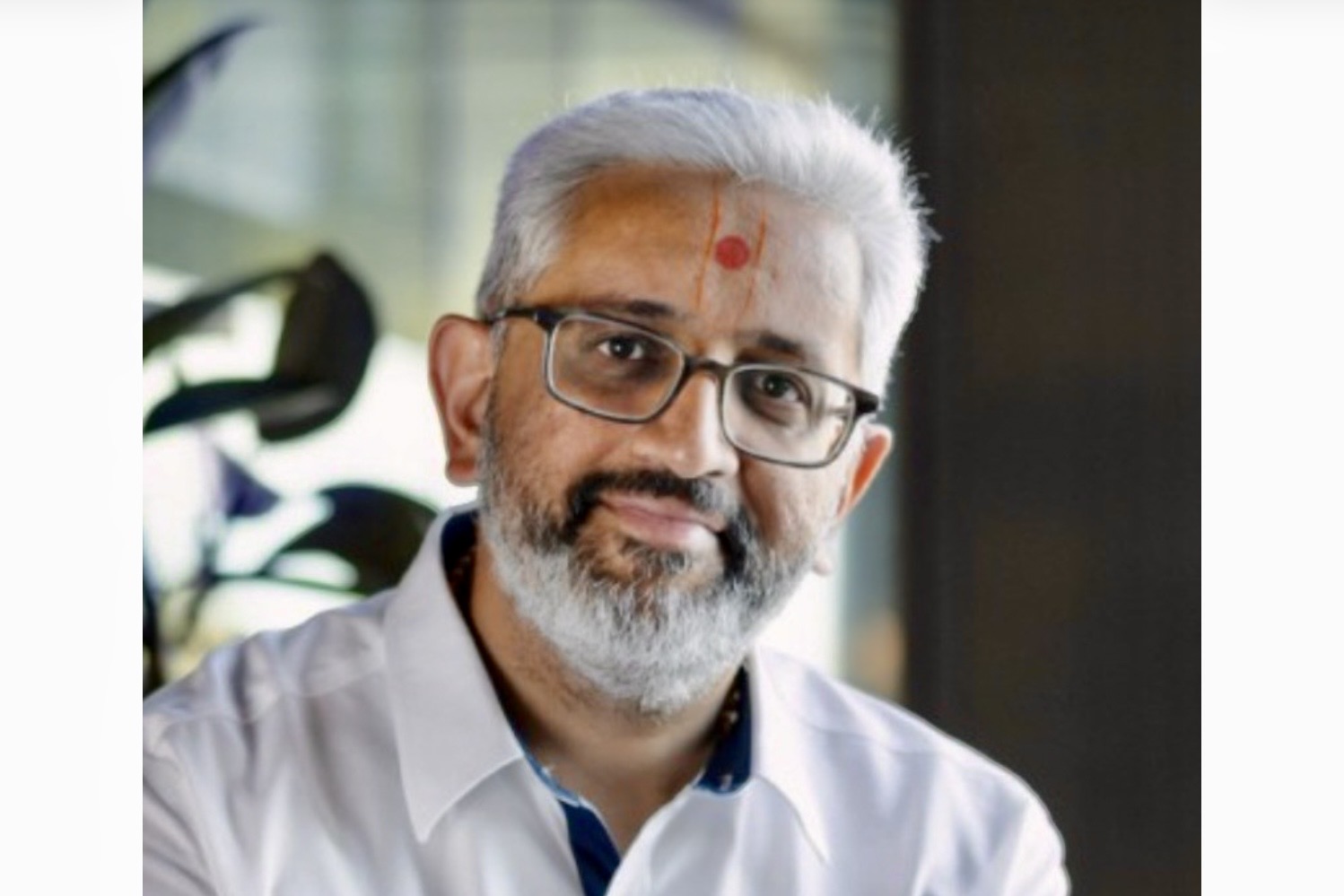
Indian American LinkedIn veteran Mohak Shroff has assumed a new role at the centre of its AI ambitions serving as the architectural bridge with tech giant Microsoft’s productivity ecosystem.
In the newly created post of President of Platforms and Digital Work at Microsoft, Shroff is tasked with steering long-term technology strategy across both companies. In a LinkedIn post, he underscored his mandate to drive innovation with a strong emphasis on AI-led transformation.
His elevation reflects nearly two decades of behind-the-scenes impact and positions him at the helm of platforms serving over 900 million users, signalling Microsoft’s intensified push toward AI-first work environments.
In other leadership changes, Dan Shapero was named Chief Executive Officer of LinkedIn reporting to Ryan Roslansky in his role as EVP of LinkedIn and Microsoft Office. Shroff will lead technology strategy and long-term innovation across LinkedIn and areas Ryan oversees at Microsoft with a focus on initiatives shaping the future of work.
“LinkedIn’s leadership is changing, but our mission remains the same: connect the world’s professionals to make them more productive and successful,” the company stated. “With north of $19 billion in annual revenue and over 1.3 billion members and 70 million companies, the opportunity ahead has never been greater.”
Read: Microsoft to acquire LinkedIn for $26.2 billion
“A lot has changed since I started at LinkedIn in 2008, when the company was under 200 people,” Shroff wrote in a LinkedIn post. “Back then, we were building for a world where the internet lived on computers, not in your pocket”
“Today, the world of work—and the technology behind it—looks entirely different,” he wrote. “LinkedIn Engineering has evolved with it, now spanning the globe and building one of the most important platforms for how work gets done—with the same ambition and craft that defined those early days.”
His new role includes overseeing the integration of advanced AI capabilities into daily workflows, specifically focusing on the ‘agentic web’ strategy, where AI assistants perform complex tasks across Microsoft 365 apps and LinkedIn’s professional graph.
By unifying the platforms, Shroff’s mandate is to build an ‘AI-first’ infrastructure that transforms how the world’s 1.3 billion professionals work, collaborate, and grow their careers.
With Shroff moving into a new role across LinkedIn and Microsoft, Erran Berger and Raghu Hiremagalur will lead LinkedIn Engineering. Shroff described Hiremagalur as “an exceptional engineering leader with an extraordinarily high technical bar and a rare ability to elevate teams and drive real results.”
Read: Perplexity signs $750 million AI cloud deal with Microsoft
Born in Mumbai, India, in 1978, with ancestral roots in the state of Gujarat, he moved to Bahrain when he was just 18 months old. Shroff was raised in a hardworking immigrant household. Shroff eventually moved to the United States earning a Bachelor of Science in Computer Science degree from the University of Texas at Austin.
After college, Shroff secured a crucial Software Engineering Internship at Oracle in the summer of 1999. Working on Oracle WebDB, he built its primary Web-SQL gateway adaptor in C – a hands-on baptism in scalable enterprise software.
However, the real development of his early career was at Ariba, where he spent eight years (2000–2008) as a Principal Software Engineer and Technical Lead.
Moving to LinkedIn in 2008, Shorff began in product engineering, and quickly ascended to the roles of Vice President of Product Engineering and later as VP of Engineering for Consumer Products.
Some of his breakthroughs at LinkedIn include developing early advertising platforms, scaling Subscriptions and Jobs revenue streams, and rebuilding the payment system.
One of his most notable tasks was Project Inversion – a massive, high-risk platform rebuild that allowed LinkedIn to scale to its current 900-million-member strength.
By September 2017, he was Senior Vice President of Engineering, overseeing the global teams responsible for securing the world’s professional infrastructure.