



By Kashmira Konduparty
On May 6, Hut 8, the energy infrastructure operator and Bitcoin miner company has signed a 15-year lease worth $9.8 billion for its AI data center campus in Texas, according to a report by Reuters. This highlights the surging demand and the race the companies are in to expand their AI infrastructure.
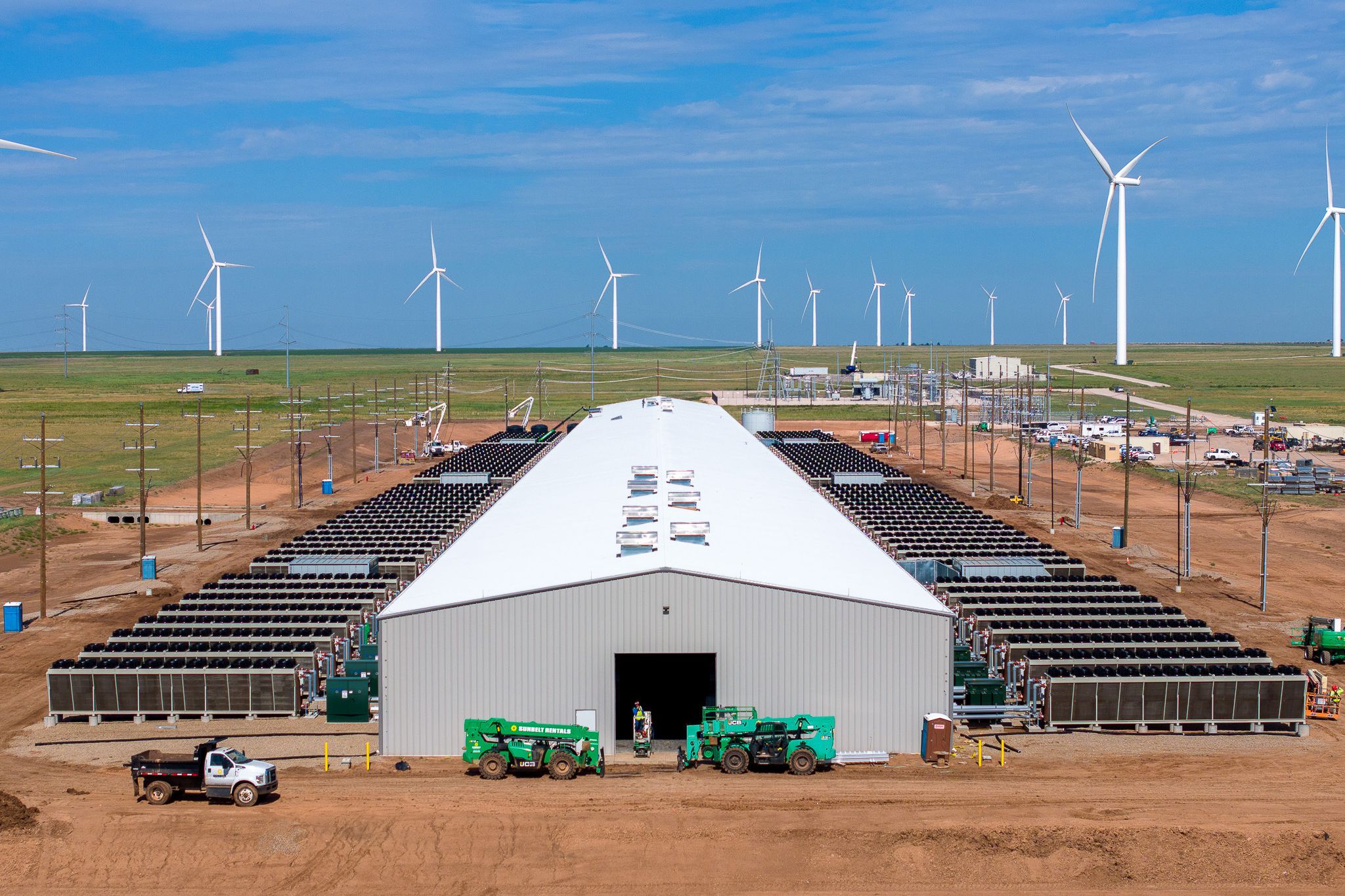
The lease that was signed is tied to the Florida-based company’s Beacon Point data center campus in Texas. And it covers 352 megawatts (MW) of AI computing capacity in the first phase of the project.
The deal is also the part of a larger scalable project, which is said to be up to the capacity of 1 gigawatt. It is also expected to begin operations around early 2027, with the initial phases scheduled for completion that year.
READ: Adani aims to create the world’s largest integrated data center by 2035 (February 17, 2026)
The base value the contract was signed is around $9.8 billion over 15 years that also include annual rent increase which could result in a significant rise up to $25.1 billion, if the renewal options are exercised. This is expected to generate a steady revenue of hundreds of millions annually for the company.
Hut 8 is now transitioning from Bitcoin mining to a growing player in the competitive market of AI infrastructure. It aims to focus on data centers, cloud services and AI computing infrastructure.
The recent boom in the AI industry is driving massive investments in data centers to train AI models and run large-scale computing systems. This reflects a broader trend of tech companies spending billions on AI infrastructure.
READ: Are data centers headed to space? Tech giants consider the leap (November 28, 2025)
This deal significantly expands the Hut 8’s total contracted AI capacity and long-term revenue pipeline. It builds on the company’s earlier multi-billion-dollar data center agreements, strengthening its presence in large-scale AI infrastructure.
The deal underscores the rapidly growing demand for energy-intensive, AI ready infrastructure as companies race to build systems capable of supporting advanced computing needs. It reflects a broader shift towards large-scale “AI factories” and hyperscale data centers designed to train and run complex models.
The agreement also reinforces Texas as an emerging hub for data center development, while highlighting the intense competition among firms to secure a place in the global AI infrastructure race.