



By Kashmira Konduparty
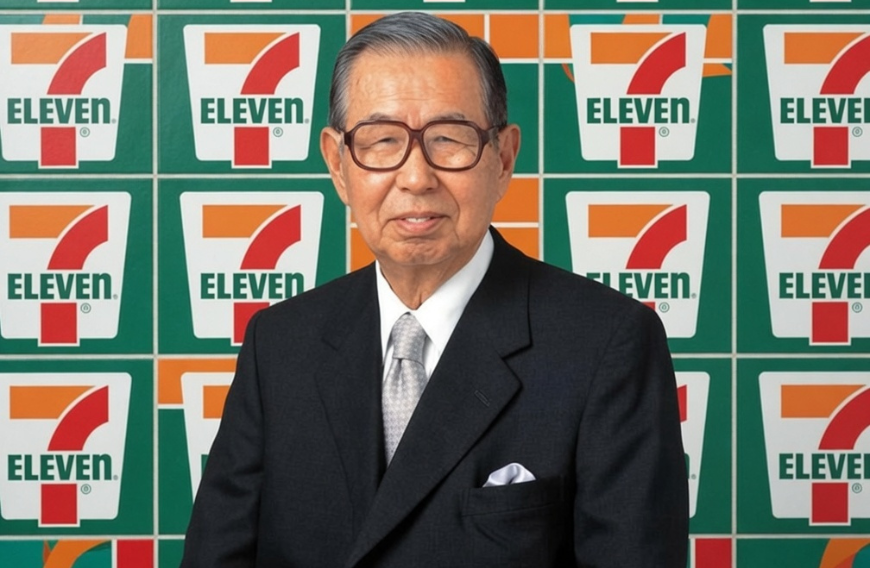
Toshifumi Suzuki, the Japanese businessman credited with transforming 7-Eleven into a global retail powerhouse, has died at the age of 93 via a report by The Wall Street Journal. Seven & I Holdings said Suzuki died of heart failure on May 18. Suzuki is widely regarded as one of the most influential figures in Japan’s modern retail industry and architect behind the country’s convenience store culture.
Suzuki joined Japanese retailer Ito-Yokado in 1963 after working at a book wholesaler. In the early 1970s, he partnered with U.S.-based Southland Corp. to bring 7-Eleven brand to Japan. The first Japanese 7-Eleven store opened in Tokyo in 1974 despite skepticism about whether the American convenience store model would succeed in Japan.
READ: Padma Shri Acharya Shri Chandanaji, Veerayatan founder, dies at 87 (April 24, 2026)
Suzuki revolutionized Japanese convenience stores by focusing on ready-to-eat meals, rapid inventory turnover, data-driven stocking systems and neighborhood focused stores. By the early 1980s, 7-Eleven Japan was already using computers and sales data to track local buying habits and reduce waste. His systems later became models for retailers around the world.
Under Suzuki’s leadership, 7-Eleven expanded aggressively across Japan and internationally. The company eventually grew to more than 85,000 stores in nearly 20 countries. Suzuki also helped rescue Southland Corp., the original U.S. owner od 7-Eleven after it filed for bankruptcy in the early 1990s.
In 2005, Suzuki established Seven & I Holdings, expanding the company into a broader retail conglomerate. The group later added supermarkets, financial services, restaurants and department stores. Suzuki became known for demanding high standards and earned the nickname “Hurricane Suzuki” for his intense management style.
READ: CNN founder Ted Turner dies at 87 (May 6, 2026)
Analysts say Suzuki transformed convenience stores into essential parts of daily life in Japan. Modern Japanese “conbini” stores now offer bill payments, ATM services, ticket bookings, parcel deliveries and fresh prepared meals. His retail philosophy focused on anticipating customer behavior and convenience.
Suzuki stepped down as the chairman in 2016 following a management dispute but remained an influential figure in Japanese business. Retail analysts credit him with helping redefine modern convenience retail worldwide. Many business leaders described him as a visionary who combined technology, logistics and consumer behavior into a highly efficient retail system.
Suzuki’s death marks the end of an era for Japan’s retail industry and one of the most successful convenience store expansions in history. His influence continues through the global reach of 7-Eleven and the retail systems that reshaped how millions of people shop every day.