



By Kashmira Konduparty
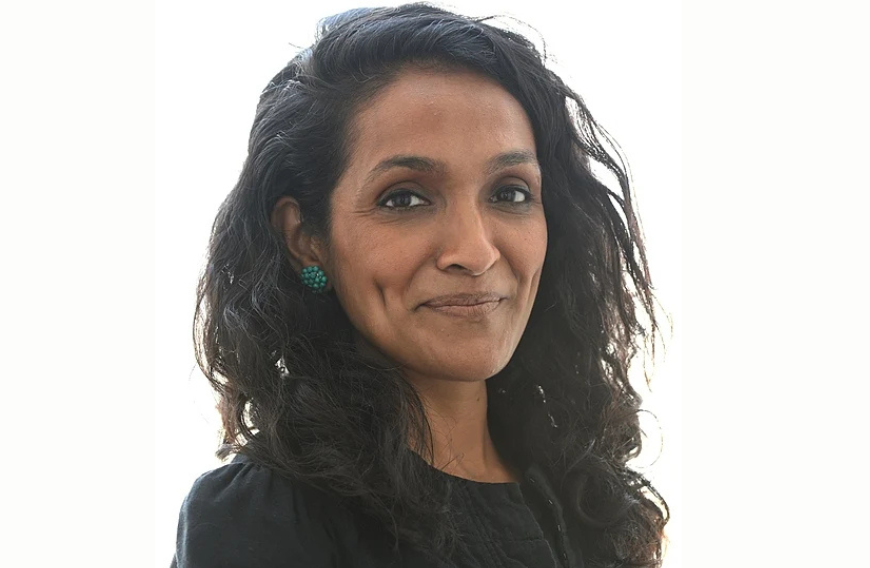
Indian American Los Angeles City Councilmember Nithya Raman has advanced to the next stage of the race for mayor of Los Angeles, emerging as a prominent progressive candidate in one of the country’s most closely watched municipal elections, via a report by Financial Express.
Raman secured enough support in the city’s nonpartisan primary election to move forward in the contest to succeed Mayor Karen Bass, according to preliminary election results. Her advancement has drawn comparisons from some political observers to the rise of New York City Mayor Zohran Mamdani, another progressive politician who built a coalition of younger voters, immigrants and working-class residents.
READ: Nithya Raman overtakes Spencer Pratt for second place in LA mayoral race (June 8, 2026)
A member of the Los Angeles City Council since 2020, Raman represents the city’s 4th District, which includes neighborhoods such as Hollywood, Silver Lake and Los Feliz. She first gained national attention after defeating a long-serving incumbent and has since become one of the most visible progressive voices in Los Angeles politics.
Born in India and raised in both India and the United States, Raman moved to Los Angeles in the mid-2000s. Before entering elected office, she worked in urban planning and affordable housing advocacy, focusing on homelessness and housing affordability—issues that continue to dominate political debates across the city.
Raman’s campaign has centered on addressing Los Angeles’ housing shortage, expanding affordable housing development, improving public transportation and tackling homelessness. She has argued that the city must increase housing supply while investing in social services and infrastructure to address long-standing challenges facing residents.
Supporters view Raman as a candidate capable of mobilizing younger and more diverse voters. Her campaign has also highlighted her experience working on housing policy and local government initiatives. Critics, however, have questioned whether progressive approaches to homelessness and public safety have produced sufficient results in a city grappling with rising costs and persistent quality-of-life concerns.
The mayoral race is unfolding against a backdrop of growing frustration among Los Angeles residents over housing affordability, homelessness, transportation and public safety. These issues are expected to dominate the campaign in the months ahead as candidates seek to distinguish themselves before the general election.
Raman’s advancement also reflects the growing political influence of Indian Americans in major U.S. cities. In recent years, candidates of Indian origin have won elections to local, state and federal offices across the country, becoming increasingly prominent figures in American politics.
READ: Khanna advances as Tandon surprises in primary (June 3, 2026)
Similarities between Raman’s coalition-building efforts and those of Mamdani in New York were noted, particularly their emphasis on affordability, housing and grassroots organizing. However, Los Angeles presents a different political landscape, with its own set of economic and governance challenges.
As the race moves forward, Raman will seek to expand her support beyond her progressive base and persuade voters that her policy proposals can address some of the most pressing issues facing America’s second-largest city.