



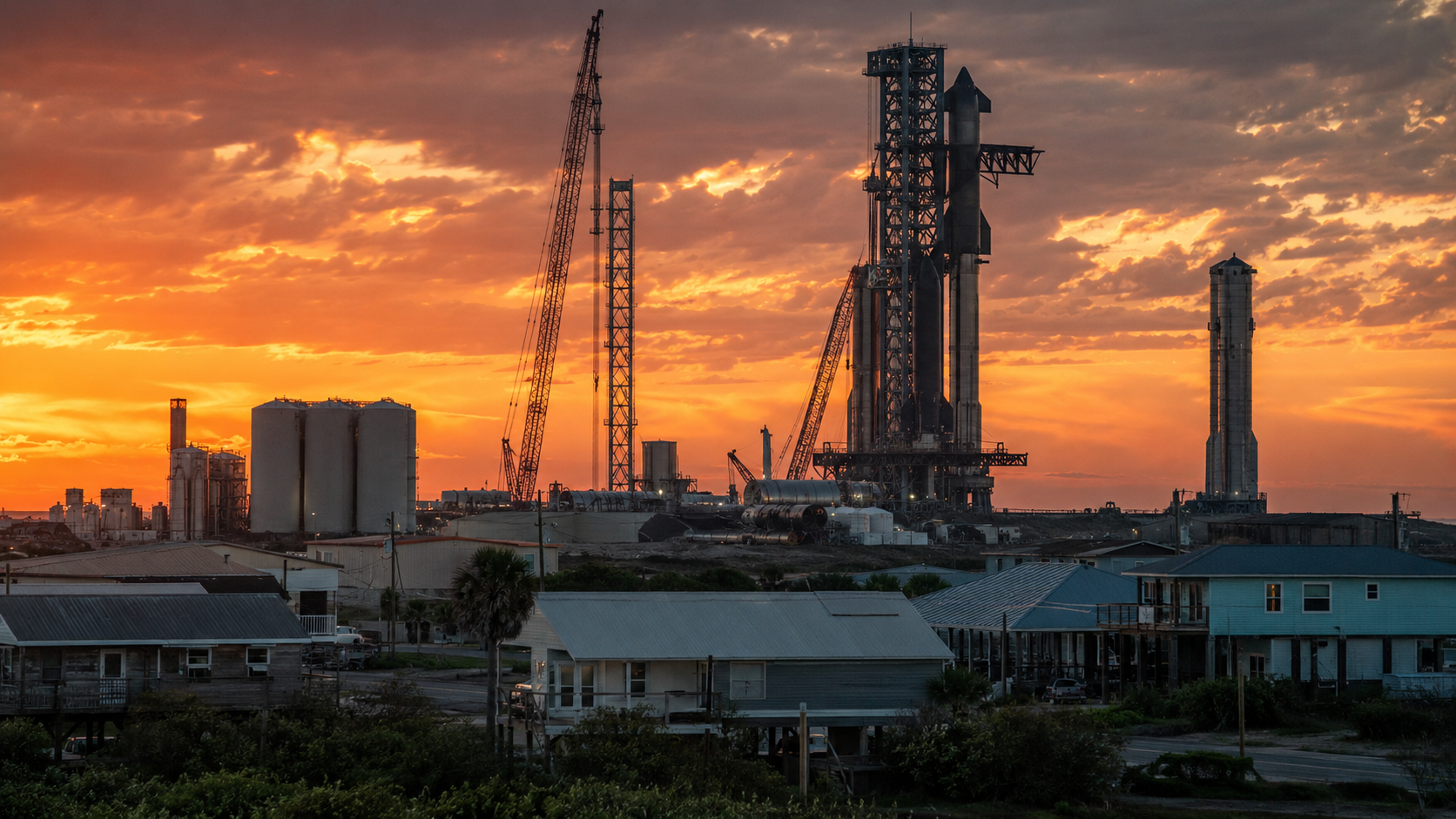
Elon Musk’s Starbase has transformed South Texas into one of the fastest-growing hubs in the U.S. space industry, creating thousands of jobs and attracting investment, but some residents say the benefits have come alongside mounting concerns over property damage and environmental impacts.
A Reuters examination of life around SpaceX’s expanding launch and manufacturing complex found a community increasingly divided between those benefiting from the company’s growth and those who say they are bearing the costs of its success.
For some residents, the transformation has been dramatic.
READ: ‘No way’: Musk, Trump question LA mayoral voting results (June 10, 2026)
Charter boat captain Eddie Reyes told Reuters that rocket launches have become a tourist attraction, bringing new customers and business opportunities to the Rio Grande Valley. Family members have also found employment with SpaceX, which has become one of the region’s largest employers. According to a recent economic report cited by Reuters, the company has created roughly 5,000 jobs in the area.
The growth reflects Musk’s broader vision for Starbase, a company town built around SpaceX’s efforts to develop the fully reusable Starship rocket that the billionaire hopes will one day carry humans to Mars. Massive manufacturing facilities, worker housing, and supporting infrastructure have reshaped the landscape of South Texas.
Yet the same launches drawing tourists and investment have become a source of frustration for some longtime residents.
Reyes told Reuters that shockwaves from rocket launches have damaged his mother’s home, contributing to cracks in ceilings, loosened window seals, and foundation problems. She is among dozens of residents involved in legal action seeking compensation from SpaceX over alleged property damage.
The tensions highlight a broader debate unfolding in communities hosting major technology and industrial projects. While local officials often celebrate investment, employment, and tax revenue, residents sometimes face disruptions ranging from increased traffic and rising housing costs to environmental and quality-of-life concerns.
The issue has taken on additional significance as SpaceX prepares for what could become one of the largest initial public offerings in history. Investors are increasingly viewing Starship and Starbase as central to the company’s future growth strategy, including ambitions in satellite communications, artificial intelligence infrastructure, and deep-space exploration.
READ: SpaceX’s AI revenue could jump 100x by 2030, Goldman Sachs says (June 4, 2026)
For many South Texas residents, however, the debate is less about Mars and more about daily life on Earth.
“You can’t stop progress,” Reyes told Reuters. But as Starbase continues its expansion, many in the region are still grappling with what that progress should look like and who should bear its costs. (
The outcome may help shape not only the future of SpaceX’s Texas operations but also broader questions about how communities balance economic development with local accountability as the commercial space industry enters a new era.