



By Kashmira Konduparty
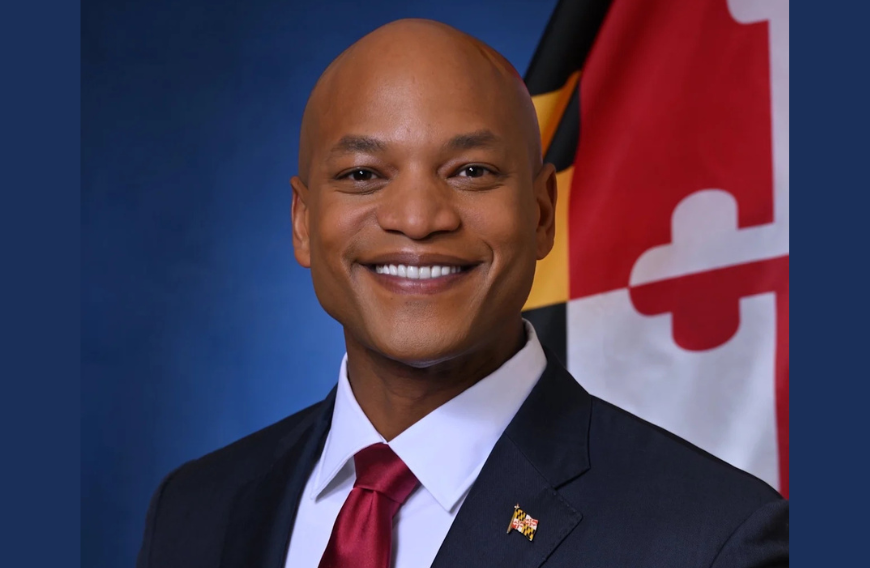
Maryland Governor Wes Moore has built a national reputation as a champion of workers but strained relationships with some labor unions in his home state could present a political challenge as he is increasingly viewed as a potential Democratic presidential contender in 2028, according to an Axios report.
Moore, who is seeking reelection as governor this year, has frequently highlighted his administration’s efforts to strengthen workers’ rights, expand collective bargaining and raise wages. However, several Maryland labor leaders told Axios they have become frustrated with what they describe as poor communication and a lack of follow-through from the governor’s office.
Among the concerns raised was the Moore campaign’s failure to submit an endorsement questionnaire required by the Maryland State and District of Columbia AFL-CIO before the union considers supporting a candidate. Donna Edwards, president of the labor federation, told Axios the questionnaire is a mandatory part of the endorsement process.
READ: Moore, Aruna Miller advance in Maryland election (June 24, 2026)
Moore has also faced criticism from some building trade unitions over uncertainty surrounding whether the replacement of Baltimore’s Francis Scott Key Bridge will be built under a project labor agreement, a policy that typically guarantees union labor on large public construction projects.
Union leaders have said they want greater clarity from the administration on the issue.
Despite those disagreements, Moore continues to enjoy support from several influential labor organizations. The Maryland State Education Association, firefighters’ union and other labor groups have endorsed his reelection campaign, reflecting a divided response within organized labor rather than broad opposition.
Moore’s office defended the administration’s record, saying it worked closely with unions since the governor took office. Spokesman Ammar Moussa said the administration has focused on improving wages, expanding workplace protections and strengthening collective bargaining rights for workers across Maryland.
READ: Maryland District 23 candidate Raaheela Ahmed on education, transparency, and public service (June 11, 2026)
The friction with labor leaders follows other political challenges Moore has faced in Maryland while his national profile has grown. Earlier this year, Axios reported that Moore’s relationships with Democratic lawmakers in the state legislature had also become strained over disagreements on issues including congressional redistricting and legislative priorities.
Although Moore has repeatedly dismissed speculation about a White House campaign, he is widely considered one of the Democratic Party’s rising stars. Political observers have frequently mentioned him among potential contenders for the party’s 2028 presidential nomination.
Moore still remains heavily favored to win a second term as governor in blue state Maryland.