



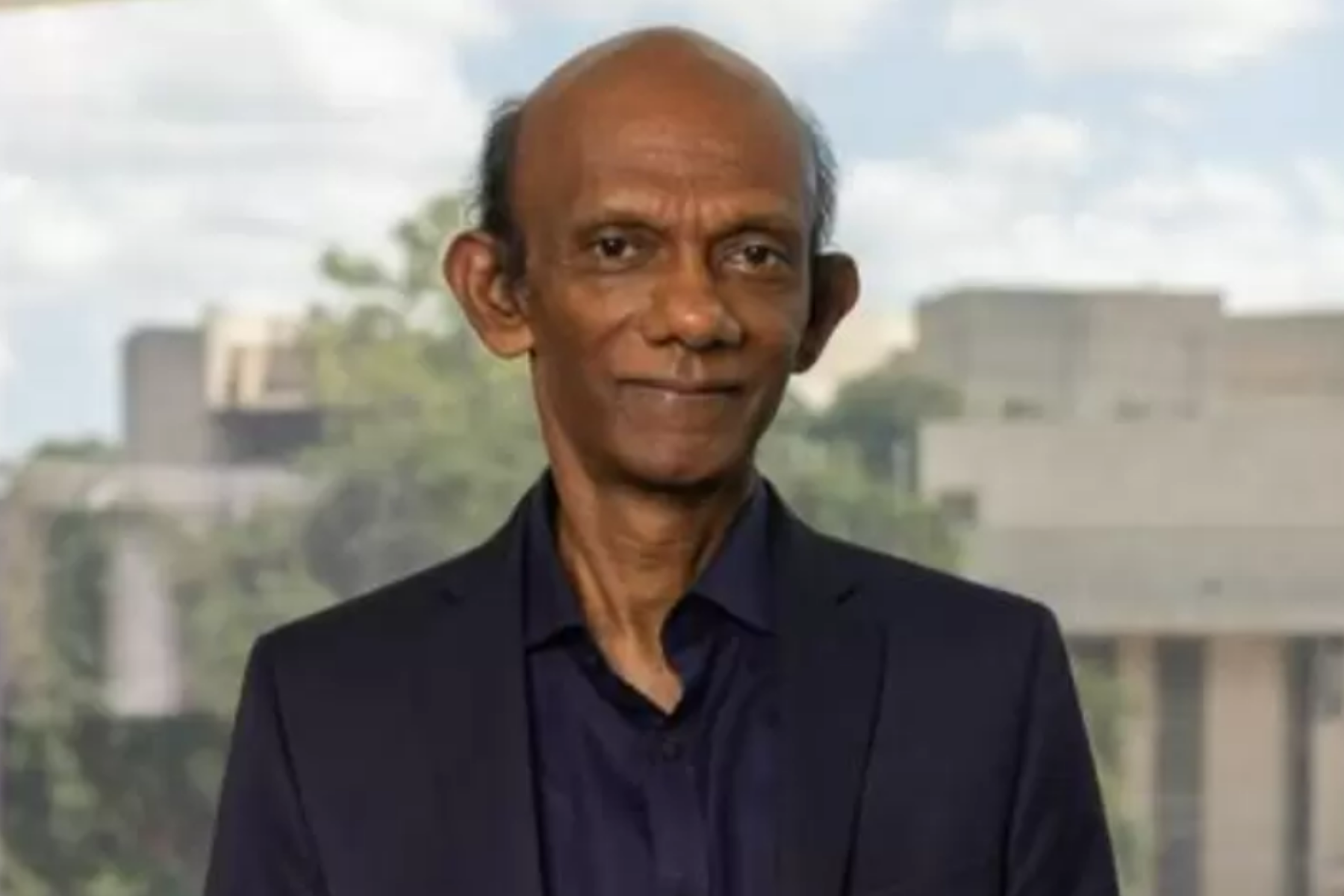
Chandra Mohan, an Indian pioneer in autoimmune research at the University of Houston has secured a $4 million grant from the National Institutes of Health (NIH) to study chronic, life-altering autoimmune diseases.
Mohan, a Hugh Roy and Lillie Cranz Cullen Endowed Professor of Biomedical Engineering, is set to launch a decade-long longitudinal study aimed at identifying the earliest biological triggers of autoimmune diseases with the NIH grant.
Systemic Autoimmune Rheumatic Diseases (SARDs), a group that includes lupus, rheumatoid arthritis, Sjogren’s syndrome, and systemic sclerosis, currently affect more than 30 million people worldwide.
These conditions are chronic and often incurable, leaving patients to grapple with a lifetime of unpredictable flares, inflammation, and potential organ damage as their immune systems mistakenly attack healthy tissues.
Read: Ajay Thomas chosen chair-elect of Southwestern University board (July 7, 2026)
The NIH funded project aims to change how doctors treat these diseases by focusing on the “pre-disease” phase. Currently, most SARDs are diagnosed only after symptoms become severe and irreversible tissue damage has already occurred.
Mohan’s team intends to study blood samples and environmental exposure factors over the next 10 years to pinpoint the precise moment the immune system loses its tolerance to the body’s own nuclear antigens. By identifying these molecular, genetic, and cellular precursors, the study hopes to create a roadmap for early diagnosis.
If researchers can predict the onset of disease years before it manifests physically, they may finally be able to intervene with preventive treatments that stop the progression before it begins.
As Mohan leads this collaborative effort, which includes a partnership with Dr. Karen Costenbader at Harvard Medical School, the focus remains on the millions of patients who live with the daily uncertainty of their next flare.
His ongoing work at the University of Houston continues to push the boundaries of biomedical engineering, turning complex biological mysteries into potential medical breakthroughs.
For Mohan, who traces his roots to India, the NIH project represents a milestone in a highly specialized medical and academic journey.
Read: Rishabh Khemka joins TaskUs as Chief Financial Officer (July 7, 2026)
His professional foundation began with formal medical training at the National University of Singapore, where he earned his Bachelor of Medicine and Bachelor of Surgery (MBBS) degree. He completed his residency training in pathology and rheumatology at the Singapore General Hospital before moving to the United States to pursue advanced scientific research.
Mohan expanded his academic credentials in Boston, where he completed his doctoral thesis focusing on the cellular immunology of lupus at Tufts University, followed by a post-doctoral fellowship at Northwestern University Medical School in Chicago.
Before joining the faculty at the University of Houston, Mohan established his reputation in Texas as an endowed Professor of Medicine at the UT Southwestern Medical Center, holding the McGee Chair in Arthritis Research.