



By Rajwa Quasim
A 63-year-old Lake Worth Beach resident is facing a criminal charge after wildlife officers say he tried to sell a shell belonging to one of Florida’s most protected marine species.
The case began when a Boynton Beach police officer spotted a Facebook Marketplace post advertising a turtle shell for $2,700. The listing described the item as “rare” and in “perfect condition.” It was then flagged to the Florida Fish and Wildlife Conservation Commission (FWC), which launched an investigation on June 30. The photographs posted were clear enough for officers to identify the shell as belonging to an Atlantic hawksbill sea turtle.
The investigation led to Addison Mullen, a resident of Lake Worth Beach. Officers first contacted Mullen on July 1, when he admitted he had the shell but refused to let them examine it without a warrant. Mullen also claimed to have legal documentation for the shell. However, when officers returned with a search warrant on July 6, he did not produce any paperwork. The shell was later taken to the FWC’s Field Lab in Tequesta, where biologists examined it and confirmed that it belonged to an Atlantic hawksbill sea turtle.
Because the Atlantic hawksbill sea turtle is protected under Florida’s Marine Turtle Protection Act and the federal Endangered Species Act, Mullen has been charged with a third-degree felony. Officials said no other turtle shells were found during the search of the property.
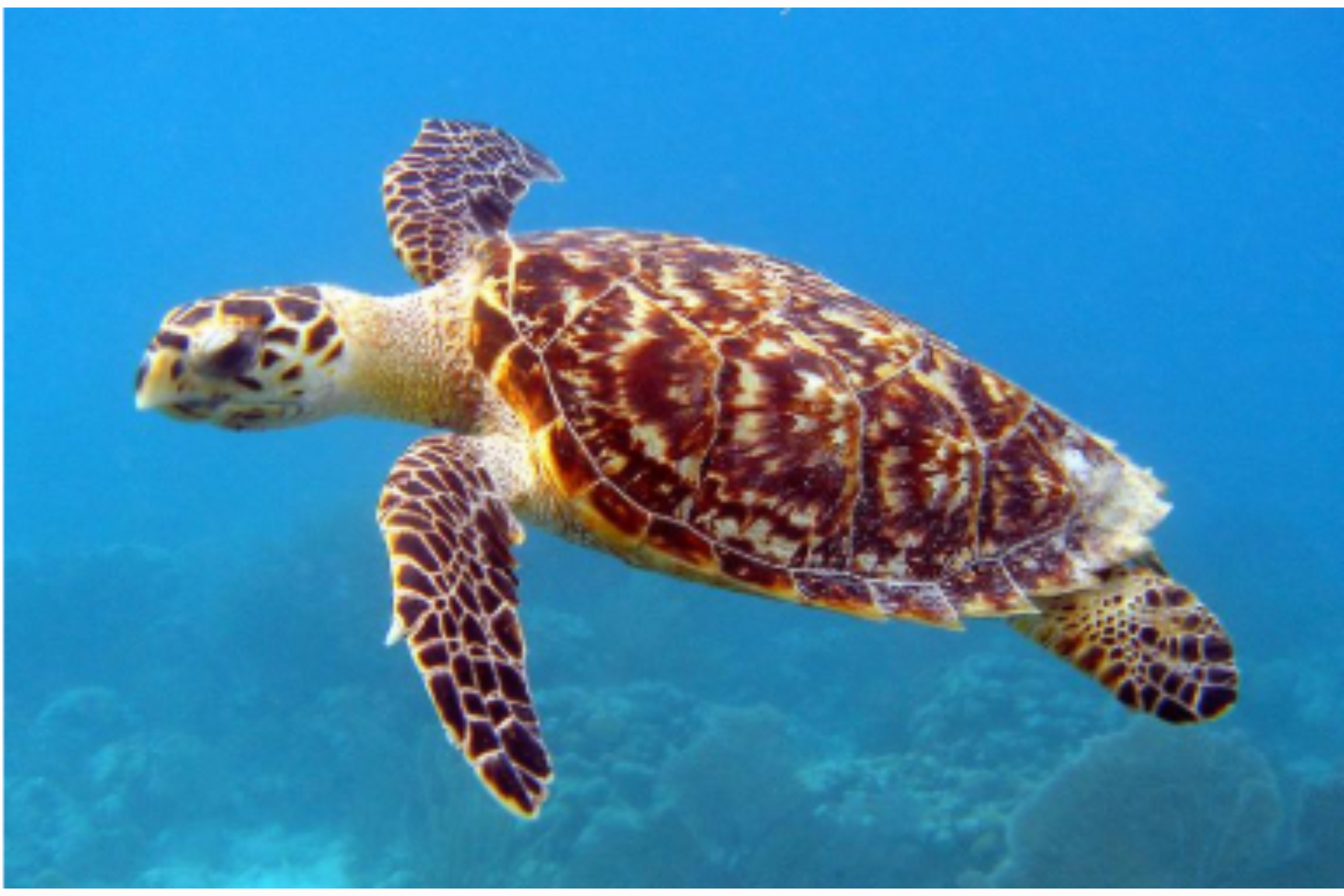
Hawksbill sea turtles (Eretmochelys imbricata) are critically endangered marine reptiles found mainly in tropical and subtropical oceans, particularly around coral reefs. They get their name from their distinctive hawk-like beak and their colorful shells, which have overlapping, serrated scales in shades of amber, orange, yellow, brown, and black.
Growing up to 2–3 feet in shell length and weighing between 90 and 150 pounds, hawksbill sea turtles primarily feed on sponges, along with sea anemones and jellyfish, helping maintain healthy coral reef ecosystems. Although international commercial trade in hawksbill shells is banned under the Convention on International Trade in Endangered Species of Wild Fauna and Flora (CITES), illegal hunting for their prized “tortoiseshell” continues to threaten the species, making conservation efforts crucial to their survival.