



By Rajwa Quasim
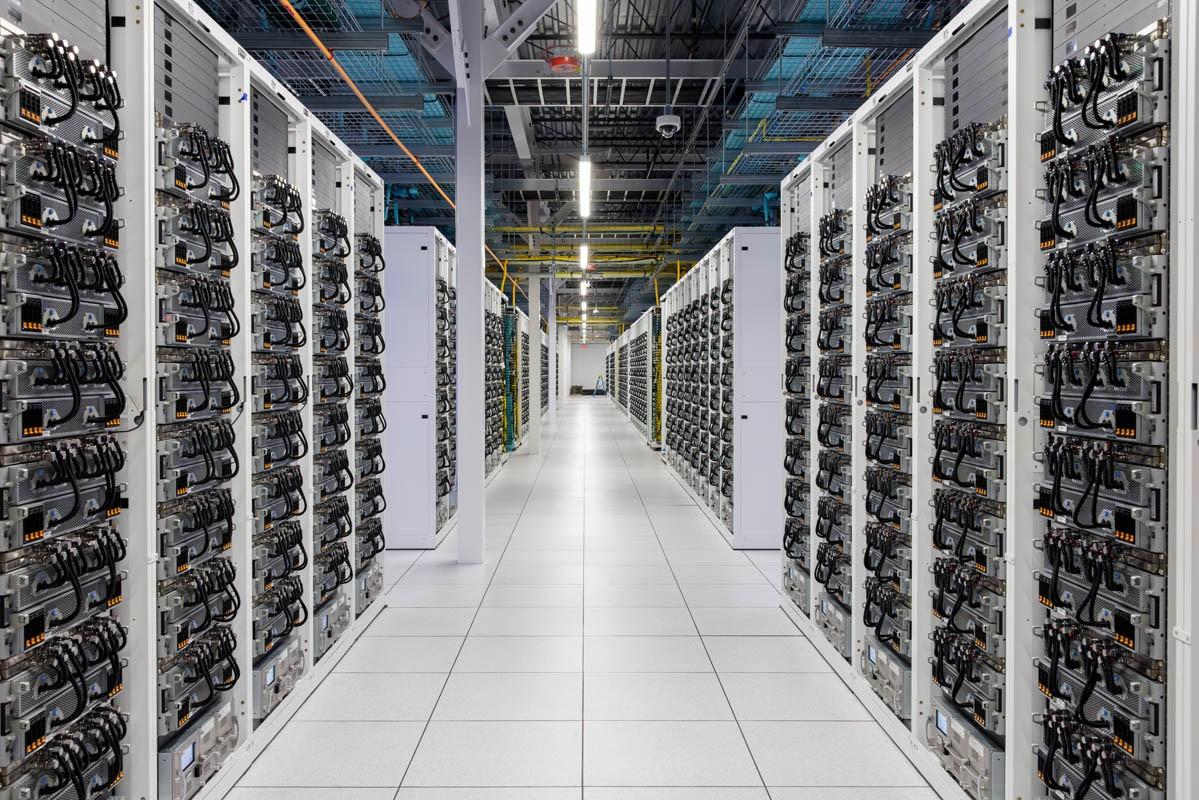
New York has imposed a one-year moratorium on the construction of large data centers, becoming the first U.S. state to take such a step amid rising concerns over the environmental and economic impact of AI-driven facilities.
The move places New York at the forefront of efforts to regulate artificial intelligence-related infrastructure. While technology firms continue expanding data centers, lawmakers across the U.S. are exploring measures to reduce their impact on power supplies, utility costs, and local communities.
Reuters reported that the construction ban will apply to data centers that use 50 megawatts or more of power. Kathy Hochul, governor of New York, said she would take the lead as these data centers create a lot of uncertainty for the people of New York. She also announced plans to pursue legislation to eliminate sales tax break exemptions for large data centers.
READ: Why NYC rent keeps rising: Manhattan hits $5,295 as housing crunch worsens (July 14, 2026)
The governor’s office stated that, during the one-year moratorium, New York’s Department of Environmental Conservation will stop issuing new discretionary permits that have not yet completed the approval process. Hochul directed officials to prepare a Generic Environmental Impact Statement to review and establish uniform standards for future data centers and assess the environmental impact of their construction and operation across New York.
Last month, New York lawmakers passed a bill to regulate data centers, but it has yet to reach Governor Kathy Hochul for approval. Her office said the legislation is complex and requires further discussions with lawmakers. Meanwhile, several U.S. states have proposed measures to address the impact of data centers on electricity bills and the environment, but New York is the first to impose a full one-year moratorium.
READ: Mamdani unveils ‘click-to-cancel’ rule targeting subscription traps (July 12, 2026)
Recently, companies like Apple, Microsoft, Sony, and Dell increased the prices of gadgets due to AI-driven demand for memory and storage chips. The AI boom has also contributed to higher prices for everyday essentials.
According to the U.S. government’s Consumer Price Index, electricity prices rose 5.9% in May compared to a year earlier. U.S. Department of Energy data shows that New York has the eighth-most expensive residential retail electricity prices in the country.