



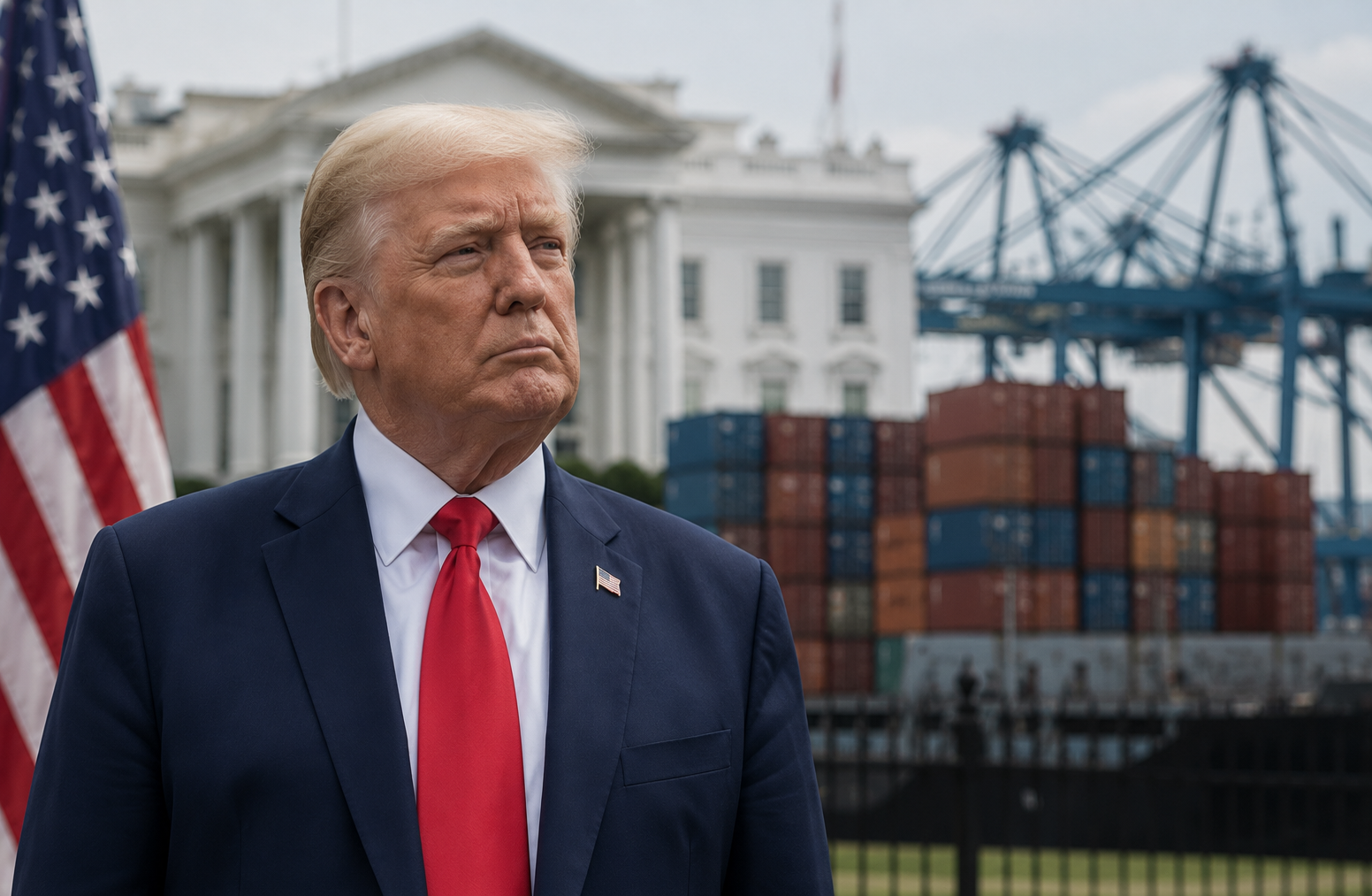
President Donald Trump is preparing to impose a fresh round of tariffs on dozens of countries as the temporary 10% global import duty approaches its expiration date, according to a Financial Times report.
The new tariffs could affect as many as 60 countries and may be introduced as soon as this week, the report said. The move would come after the U.S. Supreme Court earlier this year struck down Trump’s previous sweeping tariff measures, prompting the administration to seek alternative legal routes to maintain its trade policy.
The immediate new duties are expected to be broadly comparable to the existing 10% global tariff, although the Trump administration is also examining ways to impose higher rates, according to the report. Reuters, citing the Financial Times, said the current 10% tariff is due to expire Friday.
READ: Brazil’s payment app draws US scrutiny as Trump imposes 25% tariffs (July 21, 2026)
U.S. Trade Representative Jamieson Greer has indicated that the administration is preparing another round of tariffs. The latest approach involves potential action under Section 301 of the Trade Act of 1974, which allows the United States to respond to what it considers unfair trade practices by foreign countries.
The administration has cited concerns including forced labor practices and the enforcement of laws aimed at preventing imports linked to forced labor. A recent U.S. trade review reportedly found that about 60 trading partners had failed to adequately prohibit or enforce restrictions on goods made with forced labor.
The proposed tariffs could affect major U.S. trading partners, including China, India, the European Union and several Southeast Asian economies. The exact rates and countries targeted have not yet been formally announced.
The tariff plans follow a major legal setback for Trump’s trade agenda. After the Supreme Court rejected the administration’s earlier use of emergency powers to impose broad tariffs, the White House introduced the temporary 10% global duty under Section 122 of the Trade Act of 1974. That measure was designed as a short-term replacement for the tariffs invalidated by the court.
READ: Trump threatens countries helping Iran with 50% tariffs (April 9, 2026)
The possibility of another tariff wave has raised concerns among businesses and trading partners that have already faced uncertainty over U.S. trade policy. Higher import duties could increase costs for American companies that rely on overseas supply chains, while potentially adding pressure to consumer prices.
For India and other major exporters, the new measures could create additional uncertainty for companies selling goods to the U.S. market. The impact will depend largely on the final tariff rates and whether individual countries receive exemptions or negotiate separate trade arrangements with Washington.
The Trump administration has made tariffs a central part of its economic and trade strategy, arguing that they can protect American industries, address trade imbalances and encourage companies to manufacture more goods in the United States.
The latest plans suggest that tariffs will remain a major tool of U.S. trade policy even as the administration navigates legal challenges to its authority to impose broad duties.