



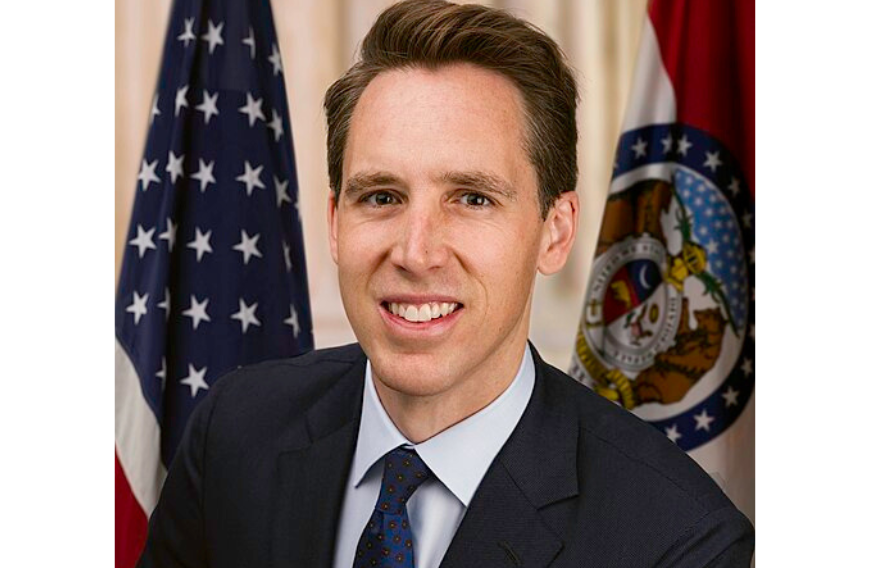
Sen. Josh Hawley convened a hearing Tuesday to address concerns related to “surveillance pricing,” a practice where companies allegedly use artificial intelligence and personal data to charge different prices to different customers. A panel of industry leaders and experts issued a warning that artificial intelligence could significantly accelerate the use of individualized pricing models.
The hearing examined how corporations collect data, including locations, browsing history, and purchasing habits. A former Visa chief data officer said that while this technology can benefit society in competitive markets, it is also being used to automate price discrimination at a scale that critics call a reinvented version of traditional consumer rip-offs.
“Big tech has reinvented the rip-off,” Hawley said. He also presented data related to ride-sharing companies as an example. “Lyft has charged 55 separate riders in my home state of Missouri 29 different prices,” Hawley said. “For the same exact route at the same exact time.”
READ: ‘70 years long’: Senator Roger Marshall rallies behind green card relief for Indians (June 24, 2026)
Hawley had also pointed to a JetBlue customer who says the price of a flight jumped $230 in a single day — while booking travel for a funeral.
Robert Hedges, former chief data officer for Visa, noted that companies track location data, ZIP codes, internet addresses, purchase histories and how long a user lingers on a specific website. “Willingness to pay. That’s the expression,” the former official said while explaining how this data informs pricing. He noted that the practice is not always negative. “If markets are competitive and information is accurate, personalized pricing can benefit consumers and the society,” he said.
Hillary Karen, representing the United Food and Commercial Workers union, urged Congress to implement regulations before the practice becomes more common. She said grocery stores are increasingly considering the use of electronic shelf labels. These digital price tags can be updated remotely and in real time.
READ: Senate leaders reach funding deal to avert government shutdown (August 3, 2026)
Retailers such as Walmart Inc. and Kroger are currently experimenting with digital price tag technology. However, these companies denied using customer data for pricing.
Experts noted that charging different prices to different groups of consumers is not a new practice. Movie theaters, for example, have long offered separate pricing based on age. However, unlike traditional pricing models, newer forms of surveillance pricing can occur behind the scenes, with artificial intelligence helping companies analyze consumer information.
Last month, New Jersey Mikie Sherill signed a law banning retailers from tracking factors such as income and browsing history to help determine prices as backlash grows against the practice.