



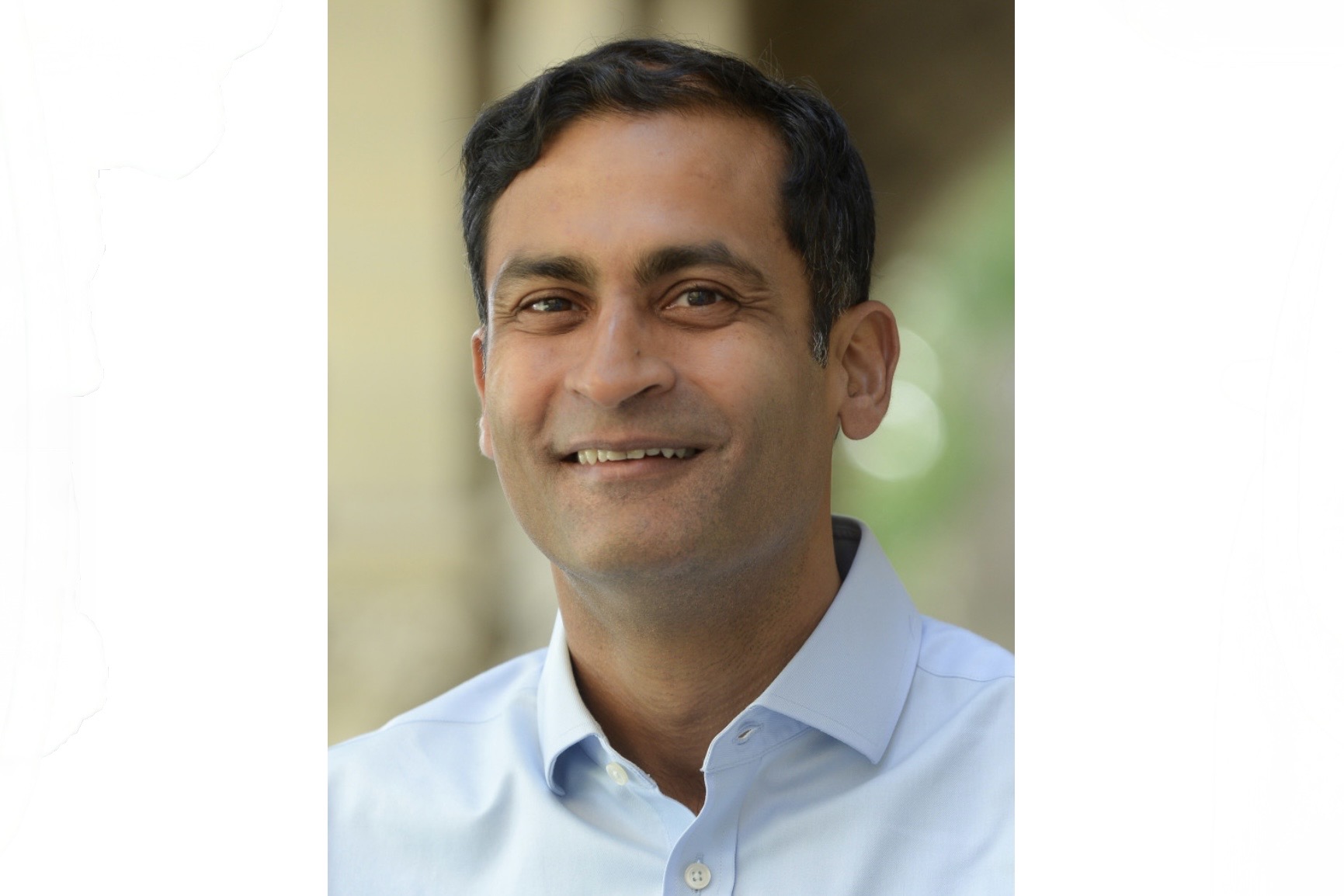
Stanford University associate professor Saumitra Jha has been named a finalist for the Social Science Breakthrough of the Year by the Falling Walls Foundation for his impactful research on “Breaking through the Ethnic Growth Trap”.
All finalists and winners will be recognized at the Falling Walls Science Summit from 6–9 November 2026 in Berlin, the foundation announced.
Jha’s research focuses on how financial markets, shared economic stakes, and political reforms help diverse social groups cooperate and avoid conflict.
Asked which wall his research or project break, Jha, Associate Professor of Political Economy at the Stanford Graduate School of Business, told the foundation, “Around the world, a key question policymakers must address is how to build prosperous and peaceful societies in the face of increasing ethnic diversity.”
READ: Stanford’s Samir Banerjee builds algorithm to analyze tennis data (July 7, 2026)
“Richer countries encounter increasingly polarized debates revolving around immigration and openness, even while poorer countries contend with managing both pre-existing and emerging ethnic differences,” he says. “These are not easy challenges. In fact, poorer societies often confront the walls of what I call an ethnic growth trap: many poor ethnically—divided societies arguably remain poor precisely because they struggle to overcome political challenges that are accentuated by their ethnic divisions.”
“Yet, these are also old challenges, and, around the world, some societies have proven successful at breaking through these walls throughout history,” he says. “This project focuses on rigorously understanding how this was done in the past, and to derive new lessons and approaches we can apply in the present.”
Jha says the main goal of his project is to “understand the nature of the ethnic growth trap that leads many poor societies to remain poor, and to derive new lessons from historical cases and contemporary experiments for how societies can break out of these traps and leverage the potential gains to be had from diversity instead.”
READ: Four Indian American academics cleared for Stanford jobs (April 30, 2026)
“Ethnically divided societies are systematically among the world’s poorest,” he says. “I provide a pathfinding synthesis for understanding why— the presence of ‘ethnic growth traps’: many poor ethnically-divided societies remain poor precisely because they struggle to overcome political challenges that are accentuated by their ethnic divisions.”
Jha says he provides “a novel unified concept- the ethnic growth trap- and a novel unified framework both for understanding why ethnic divisions, political conflict, and lack of investment lead to feedback loops that reinforce ethnic divisions and lack of development, as well as providing new policy ideas, based in large part on my own novel research, for breaking through the walls of the ethnic growth trap.”
Jha is also a Senior Fellow at the Freeman-Spogli Institute for International Affairs and convenes the Stanford Conflict and Polarization Lab. He does research on economic, financial and organizational approaches to mitigating political polarization and violent conflict, learning from history and contemporary field experiments to develop new strategies for tackling these challenging problems.