



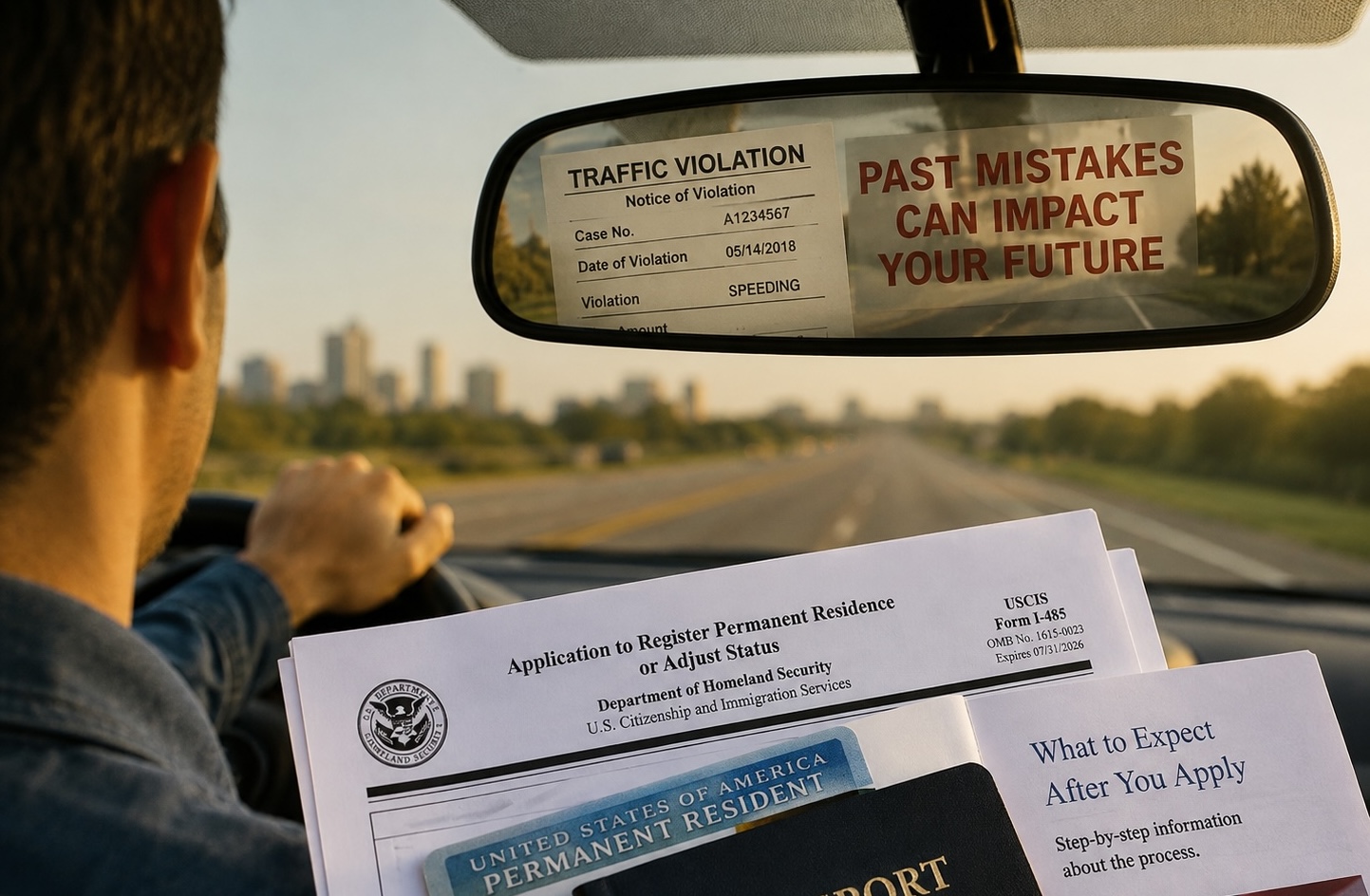
Immigration attorneys say they are seeing greater scrutiny of applicants’ past records, including minor infractions that many assume are no longer relevant. Lawyers advise applicants to disclose and document even seemingly minor violations, as issues from years earlier can resurface during immigration reviews.
History forgives no one. The saying could not be more apt when it comes to immigration applications. A number of immigration attorneys say they are seeing an alarming pattern during change-of-status and other immigration proceedings: minor violations from years ago are resurfacing during reviews of visa applications, green card petitions and naturalization applications.
A change of status allows a nonimmigrant visa holder to apply to switch from one temporary visa category to another. Increasingly, attorneys say, seemingly minor violations from an applicant’s past can lead to delays, requests for additional evidence or even denials.
READ: USCIS moves to vet old green card approvals (April 22, 2026)
Kansas City-based Rekha Sharma-Crawford, partner and managing attorney at Sharma-Crawford Attorneys at Law, told The American Bazaar about one such case involving a physician with exceptional abilities whose green card application was denied. Among the issues cited in the decision were two traffic violations.
Explaining the case, Sharma-Crawford said: “In this simple adjustment of status case, the medical doctor was denied a green card. The person had served in underserved areas. He had no criminal history and had two traffic tickets. The immigration system in the United States is fully dysfunctional.”
The USCIS acknowledged the physician’s professional accomplishments and employment history but ultimately concluded that several factors weighed against a favorable exercise of discretion, said the attorney. The agency cited the applicant’s traffic violations, along with missing documentation, the omission of a previously used legal name and what it considered an inadequate acknowledgment of the seriousness of the violations.
READ: Did getting marriage-based Green Card just got tougher? What you need to know (April 8, 2026)
Immigration attorneys note that routine traffic infractions may not, by themselves, be grounds for denying a green card. However, such violations can attract greater scrutiny when considered alongside other concerns in an application.
The case suggests that USCIS officers are examining applicants’ overall records more closely and may consider even minor violations as part of a broader discretionary review.
As heightened scrutiny appears to be becoming the norm, are attorneys seeing more cases in which applicants with otherwise strong backgrounds face unexpected denials or requests for additional evidence? Sharma-Crawford said yes. “The number of otherwise approvable cases that are being denied is increasing substantially,” she said. “It’s like there is some directive to USCIS officers to deny first and then figure out a way to defend the denial.”
Cases such as this can also create anxiety among applicants who otherwise have clean records but fear that a minor, long-forgotten infraction could affect the outcome. Attorneys advise applicants to be as truthful and thorough as possible to avoid unnecessary questions later. They also recommend keeping records of all infractions, however minor, and being prepared to provide details if an application faces additional scrutiny.
But can the current environment adversely affect H-1B professionals and employment-based green card applicants who have followed the rules and built their lives in the United States? Sharma-Crawford said the uncertainty is already taking a toll. “The level of anxiety and stress right now for those who are subject to the whims of DHS as a whole is at an all-time high.”
Perhaps the lesson for visa and green card applicants in the current environment is that full disclosure, careful recordkeeping and a thorough understanding of any past encounters with the law can be just as important as their primary credentials. Being prepared with complete and accurate information may help applicants avoid complications during the review process.