



By Rajwa Quasim
Since the war between the U.S. and Iran began late February, Americans have faced a sharp increase in energy costs. The rise has also affected prices of everyday essentials as sellers pass on some of the higher fuel costs they incur while transporting goods. As a result, the burden is being felt not only at gas stations but also across food and retail prices.
A recent study by Brown University’s Watson School of International and Public Affairs estimates that Americans have paid nearly $100.8 billion to date in additional gasoline and diesel costs. The figure is increasing by roughly $1 million every two minutes.
The study’s Iran War Energy Trackers show that before the war began, the national average price of gasoline was $2.98 a gallon, compared with $4.15 a gallon now, an increase of 39.2%. California has the highest average price at $5.86 a gallon, while Indiana has the lowest at $3.43 a gallon.
Before the war, the national average price of diesel was $3.67 per gallon. It has now risen to $5.90 per gallon, an increase of about 60.8%. California has the highest diesel price at $7.83 a gallon, while Oklahoma has the lowest at $5.45 a gallon.
READ: Oil prices rise as Middle East tensions escalate, Strait of Hormuz traffic slows (September 3, 2026)
The estimated additional cost of gasoline and diesel per household is $763, based on an estimated 131 million households nationwide.
The all-time record for diesel prices was reached last Friday, adding pressure on American freight and delivery networks that depend heavily on diesel. The increase is also affecting businesses, with some already passing higher costs on to customers through additional delivery and online-order fees.
Experts warn that prices could rise further if diesel remains expensive, affecting goods such as clothing, cosmetics and furniture that are transported by diesel-powered trucks, trains and ships.
Texas has seen the largest increase in additional gasoline and diesel costs, with consumers paying about $11 billion more. California and Florida are paying roughly $8 billion and $5 billion, respectively, in additional costs.
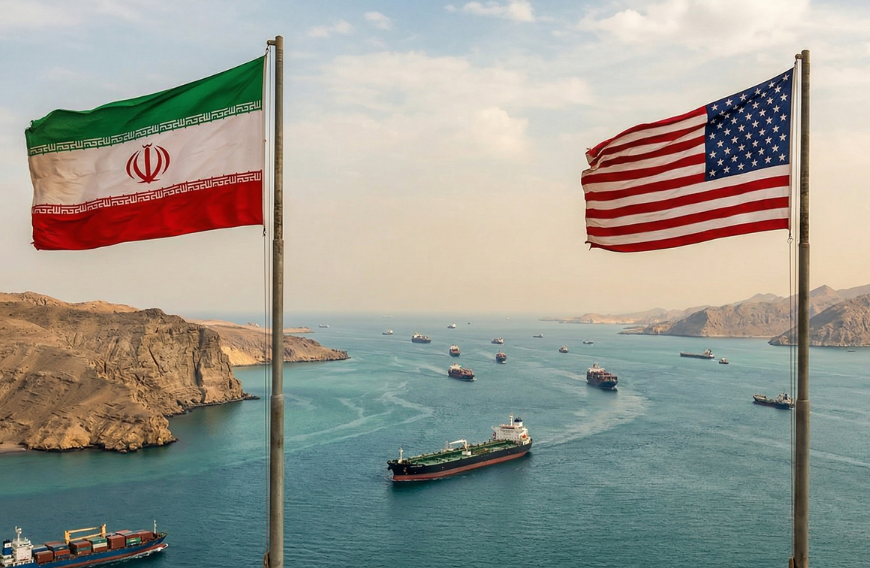
The immediate reason for the increase is the disruption to global oil markets. About 20% of the world’s oil supply passes through the Strait of Hormuz. The strategic waterway has been blocked since the war between the U.S., Israel and Iran began in February. President Donald Trump wants to reopen the strait on his terms, while Iran seeks to maintain control over the strategic waterway.
The rising energy costs could also affect the upcoming midterm elections. At an election rally on Aug. 14, Trump said, “After we finish defeating Iran […] pretty soon I’ll be declaring the Hormuz Strait a territory of the United States.”
READ: Trump warns Iran as Hormuz talks raise hopes (August 26, 2026)
Trump has largely denied the fallout from the rising energy prices. He has argued that Americans should tolerate somewhat higher gasoline prices if the ongoing war prevents Iran from obtaining a nuclear weapon. Earlier, he told Reuters about rising gas prices: “If they rise, they rise.”
Trump had initially predicted that the war would last four to five weeks, but it has now stretched beyond six months. The possibility of a diplomatic resolution appears to be narrowing as the U.S. recently announced “Operation Economic Outcast” on Aug. 24 which Treasury Secretary Scott Bessent described as the “greatest financial offensive ever marshalled against an adversary.”
Iran has faced U.S. sanctions for years, but the latest measures represent another escalation in economic pressure against Tehran.
According to RealClearPolling data on how Americans view the Trump administration’s handling of inflation, 68.1% disapprove, while 29% approve, a negative spread of 39.1 percentage points.
With the midterm elections approaching, Democrats could use energy prices and the rising cost of living as major campaign issues against Trump and Republicans.