



Individuals with hypermobile Ehlers-Danlos syndrome (hEDS ) often experience profound digestive and autonomic issues, such as chronic fatigue, nausea, food sensitivities, and conditions like postural orthostatic tachycardia syndrome.
Even with these widespread overlapping difficulties, patients frequently endure prolonged periods of seeing specialists without finding a definitive biological cause.
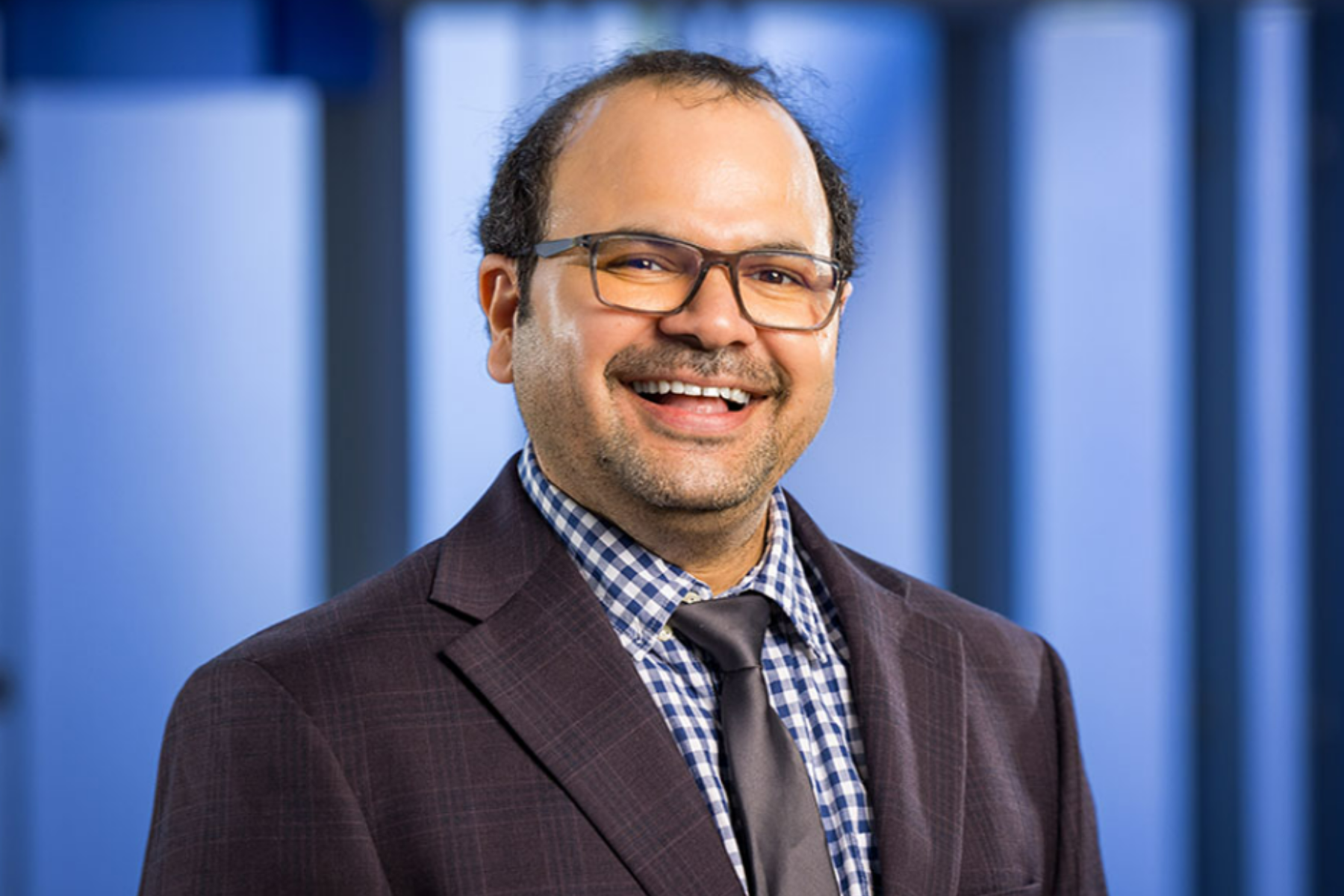
To bridge this gap, Rajan Singh, an Indian American assistant professor of research in the Department of Physiology and Cell Biology at the University of Nevada, Reno (UNR) School of Medicine, is spearheading a research initiative centered on patients.
Read: Indian American South Dakota professor earns two professional honors (September 28, 2026)
“For most patients, the problem is not a lack of symptoms. It’s a lack of biological explanation,” Singh noted. “Our responsibility is to listen carefully to patient experiences and translate them into measurable research questions.”
The pilot study proposed by Singh will examine the gut microbiome and chemical signaling molecules responsible for communication among the digestive, immune, and nervous systems.
Investigators intend to evaluate stool and blood samples together with thorough symptom logs to discover biological trends that might account for why some people experience more intense manifestations than others.
The goal of the project is to establish a strong groundwork for future investigations instead of producing a treatment or diagnostic test right away. Researchers anticipate that these initial discoveries will assist in recognizing significant patient subgroups and fuel larger-scale studies into the underlying mechanisms of the condition.
This endeavor unites multiple institutions in collaboration, involving UNR Med, the Medical University of South Carolina, and Mayo Clinic Rochester.
Read: 17 Indian Americans in Forbes 2026 America’s Top Lawyers list (September 18, 2026)
UNR Med contributes knowledge in advanced molecular technologies and gastrointestinal physiology, whereas the partner institutions offer clinical perspectives, access to patient cohorts, and strengths in translational research.
With worldwide attention from researchers and clinicians increasing, the project showcases the importance of active patient involvement to guarantee that studies focus on real-world requirements and distinguish scientific facts from guesswork.
The long-term objective is to create a specialized research hub at UNR Med that brings together biological data, clinical knowledge, and patient viewpoints.
“People living with hEDS have spent too long trying to explain symptoms that are real, complex and deeply disruptive,” Singh stated. “We may not have all the answers today, but we can build the evidence needed to find them.”