



Residents in California were startled by a bright light shining from nearby mountains at night, illuminating a large stretch of the desert below. According to The Guardian, the spectacle was part of a startup’s effort to develop technology that would use thousands of giant mirrors in space to reflect sunlight onto Earth after dark.
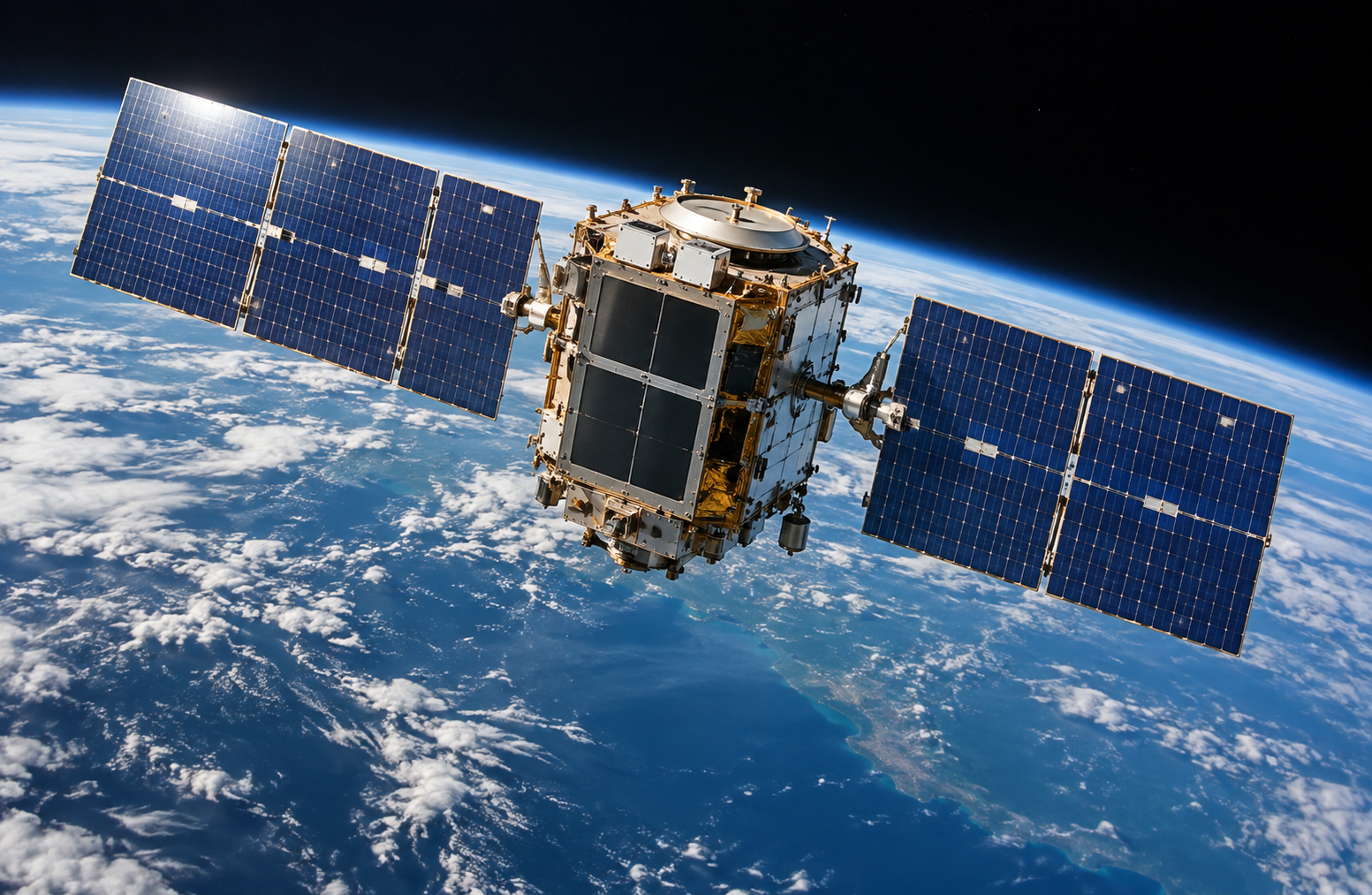
In July, the Federal Communications Commission (FCC) approved Reflect Orbital’s proposal to launch a demonstration satellite next year. The satellite would orbit Earth and use a 59-foot-diameter mirror to reflect sunlight in beams covering a 3-mile-wide area, with brightness ranging from moonlight to the intensity of the sun at noon. A demonstration earlier this month aimed to show how the technology might look from the ground, leaving some residents bewildered. One described the lights as “blinding.”
Reflect Orbital installed large mobile lights near Mount Whitney, comparing their illumination to that of a full moon. The company said the demonstration offered a realistic simulation of one potential application of the technology: helping search-and-rescue teams and other emergency responders operate at night. Other proposed uses include providing sunlight to crops, replacing broken streetlights and supporting solar power generation for military operations.
READ: Space startup funding hits record $20.8 billion in Q3 as infrastructure investments surge (October 14, 2026)
“Search-and-rescue teams are expected to be our first customers, so this was a real-world test conducted alongside teams who would use our technology,” a Reflect Orbital spokesperson said. The company partnered with a local search-and-rescue team for the demonstration.
“We’ll keep working closely with local communities and authorities wherever we operate, and are excited to show how this technology can help save lives,” the spokesperson added.
The project has drawn significant criticism from a coalition of environmental groups and astronomers. Critics have warned that the technology could disrupt the natural distinction between day and night, affecting everything from human sleep and wildlife to the ability to observe stars from Earth.
“This is an idiotic project,” said Jan Hasselman, a senior attorney with Earthjustice, an environmental group. “There are a huge number of unresolved questions and significant potential impacts. Literally all of life on Earth evolved based on the rhythm of day and night and there is a ton of data showing that messing with this is not a good idea.”
“There needs to be some sort of discussion and analysis before we grant these people the right to fundamentally alter the night sky,” he added. “The proposal for 50,000 of these satellite mirrors is crazy and would really end the night sky as we know it.”
READ: Indian space tech startup TakeMe2Space to launch AI satellite aboard SpaceX mission (October 1, 2026)
In August, four groups represented by Earthjustice asked the FCC to reconsider its approval, citing concerns about the potential consequences of allowing mirrored satellites to operate in orbit. The satellites would travel about 400 miles (645 kilometers) above Earth before reflecting sunlight back toward the planet.
Critics warn that artificial nighttime illumination could disrupt the natural cycles that birds, insects and mammals rely on to feed, find shelter and reproduce, potentially harming numerous species. Astronomers have also raised concerns that the reflected light would worsen existing light pollution and that a proliferation of satellites could obstruct observations of the night sky. The growing number of objects in orbit has also raised broader concerns about space debris.
There are also concerns that disrupting natural light-dark cycles could affect human health by interfering with circadian rhythms, which regulate sleep and other biological processes.
Reflect Orbital maintains that its technology could benefit the environment by directing sunlight onto solar panels at night, increasing their energy output and reducing reliance on fossil fuels. However, climate scientists have raised concerns about the potential consequences of altering the amount and distribution of solar energy reaching Earth.