



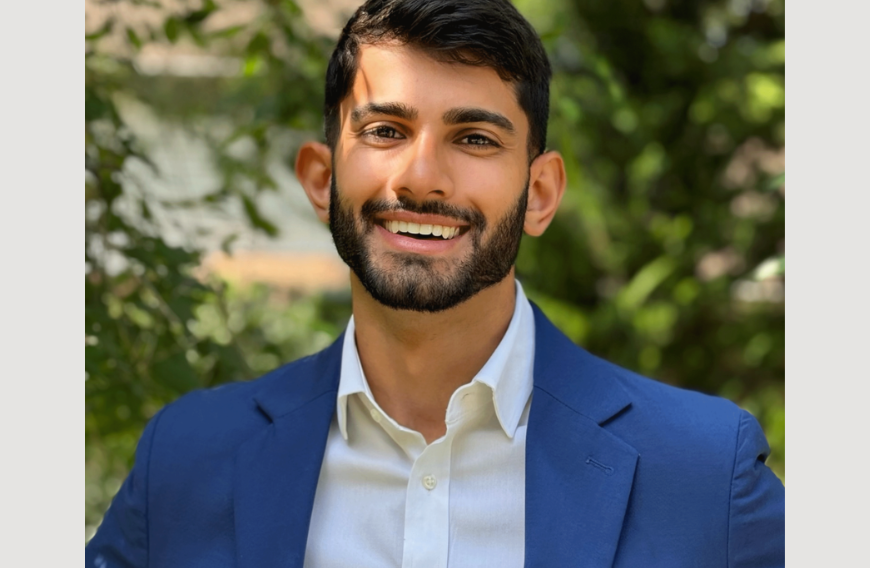
Democrat Amar Mukunda is set to become the first South Asian elected to the Maryland State Senate after securing the Democratic nomination for District 39 in the state’s 2026 gubernatorial primary and facing no named opponent in the November general election.
Mukunda defeated incumbent state Sen. Nancy J. King and candidate Destiny Drake West in the June Democratic primary, receiving 5,817 votes, or 48.86%, according to the official results published by the Maryland State Board of Elections. King received 4,426 votes (37.18%), while West secured 1,662 votes (13.96%).
READ: Amar Mukunda’s primary victory signals a generational shift in Maryland politics (June 24, 2026)
With no other named candidate contesting the District 39 seat in the general election, Mukunda secured the position. The Maryland State Board of Elections’ general-election results recorded 27,892 votes for Mukunda, representing 96.61% of the total, with the remaining votes going to write-in candidates.
In his post-election remarks, Mukunda expressed excitement over the historic achievement and outlined priorities that include restoring public trust in government, opposing President Donald Trump’s policies and pursuing bipartisan solutions on energy and climate change.
“I am extremely excited to be the first South Asian ever elected to the state Senate in Maryland,” Mukunda said.
He said opposing Trump’s agenda, including policies involving Immigration and Customs Enforcement (ICE), would remain part of his legislative priorities. “Whether that’s the tyranny that we’ve seen with ICE or other things, that’s part of what we have to do,” he said.
However, Mukunda also stressed the importance of focusing on achievable legislative goals over the next two years, including working with Republicans and the president.
READ: How Maryland’s District 39 race reveals the growing disconnect in American politics (May 28, 2026)
“We have to work with the president, with Republicans, on dealing with our permitting challenges so that we can get more energy for our country, lower the cost for people, and combat climate change,” he said.
“I think that should be a win-win for all parties, and that’s something I want to see everyone focused on.” Mukunda identified political corruption and the influence of corporate donors and special interests as fundamental challenges to American democracy.
“The first order of business is restoring trust in our democracy,” he said, arguing that voters must understand that elected officials work for them rather than special interests or corporate donors.
He called for ending the Supreme Court’s Citizens United decision and introducing publicly financed elections at every level of government.
The 2010 Supreme Court ruling in *Citizens United v. Federal Election Commission* expanded the ability of corporations and unions to spend independently on political campaigns.
Mukunda’s victory over a sitting state senator in the Democratic primary marks a significant political milestone for South Asian representation in Maryland. His comments indicate an agenda that combines opposition to the Trump administration’s policies with efforts to pursue bipartisan action on affordability, energy and climate change.