



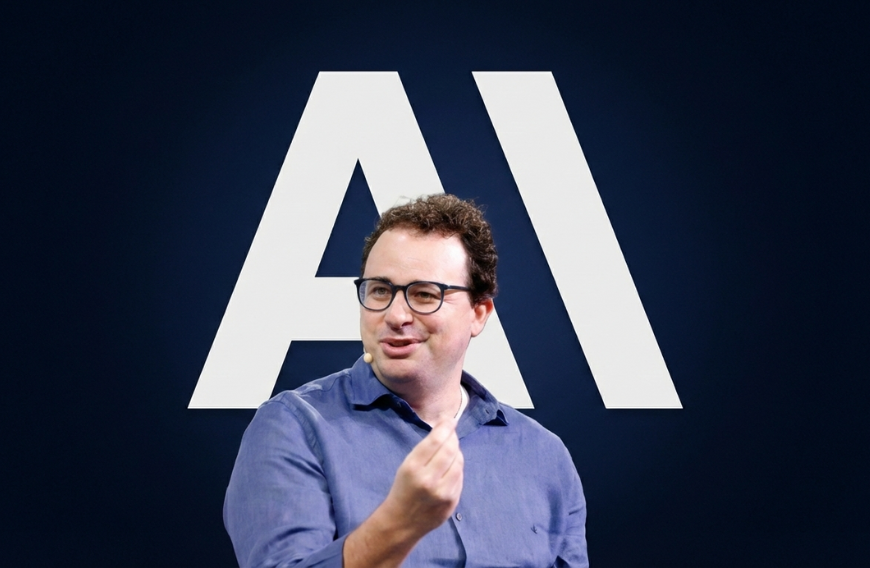
Anthropic CEO Dario Amodei has predicted that artificial intelligence could transform medicine so significantly that diseases including cancer, Alzheimer’s, heart disease and mental illness could become relics of the past within the next decade.
Amodei made the remarks in a 42-minute investor roadshow video released on Nov. 10, outlining his expectations for the potential impact of advanced AI on scientific research and human health.
“Cancer, Alzheimer’s, heart disease, mental illness — these will be relics of the past in, I think, less than a decade,” Amodei said.
He also described the possibility of creating an “age of miracles” in which scientific advances could help humanity solve problems that have remained unresolved for generations.
His comments come as Anthropic increases its involvement in biological research and pharmaceutical development.
In an Oct. 27 company update, Anthropic said it had established research partnerships with six organizations developing medicines and had begun its own drug discovery programs.
The company said some of its research focuses on rare childhood diseases, including forms of muscular dystrophy.
However, Anthropic acknowledged that most of this work remains in the preclinical stage, meaning the potential treatments have generally not yet reached human testing.
READ: Anthropic asks job applicants what they’d do if ‘stock fell to zero’ ahead of trillion-dollar IPO (November 2, 2026)
Amodei’s optimism reflects a broader belief among technology executives that AI could substantially shorten the drug development process.
Google DeepMind CEO Demis Hassabis has also discussed the possibility of accelerating pharmaceutical research.
During a fireside chat at the Indian Institute of Science, he said developing a new drug typically takes about 10 years and suggested AI could potentially reduce that process to months or even weeks.
Hassabis cited AlphaFold, DeepMind’s protein structure prediction system, as an example of AI’s scientific potential.
The system has generated predictions for more than 200 million protein structures, giving researchers access to information that can support biological research and drug development.
However, Hassabis acknowledged that predicting protein structures is only one part of developing medicines.
Researchers must also establish whether potential drug compounds work as intended, have appropriate properties and avoid harmful side effects.
The pharmaceutical industry has been considerably more cautious about predictions of rapid medical breakthroughs.
Jeff Leiden, executive chairman of Vertex Pharmaceuticals, challenged claims that AI could independently produce effective medicines at the pace suggested by technology leaders.
READ: Anthropic files for IPO, discloses $80 billion loss (October 26, 2026)
Speaking to The Wall Street Journal, Leiden said Vertex had evaluated approximately 50 AI companies using a database of 10,000 drug compounds. None had independently generated any working drug.
“That’s complete BS,” Leiden said, referring to claims that AI could cure 90% of human diseases within seven years.
Drug development involves several stages beyond identifying promising compounds, and potential treatments must undergo laboratory research, preclinical studies, human clinical trials and regulatory review to establish their safety and effectiveness.
AI could help researchers identify promising targets, analyze biological data and improve the efficiency of early-stage discovery.
However, these capabilities do not establish that the technology can eliminate the scientific uncertainties involved in developing treatments.
For now, Amodei’s prediction reflects the possibilities he sees in AI rather than an established medical timeline.
Whether those expectations translate into treatments for some of the world’s most challenging diseases within a decade remains an open question.