


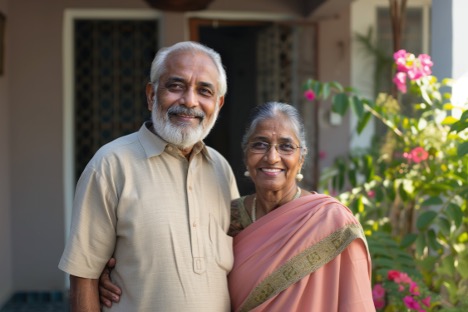
Welcoming elderly parents from India to the United States is an emotionally enriching experience for many immigrant families. Whether it is spending quality time with grandchildren or offering them a change of environment, these visits often represent a long-awaited reunion. However, amidst the joy of planning itineraries and preparing the guest room, there is one critical element families often overlook: health insurance coverage for visitors aged 80 and above.
Given the high cost of medical care in the U.S., travel insurance becomes more than just an optional add-on—it is a practical necessity. But when your parents are over 80, is it even available? And if it is, does it truly offer enough value to justify the cost?
Let us explore the reality behind travel insurance for this age group, why it matters, and how to make informed choices for a safe and stress-free visit.
Is travel insurance available for visitors over 80?
The short answer: Yes, it is available—but limited
Travel insurance is available for travelers over the age of 80, but the options are limited compared to those for younger age groups. Most insurance companies reduce the level of coverage offered as the traveler’s age increases. For visitors aged 80 or older, policies often come with:
- Lower maximum coverage limits
- Higher daily premiums
- Stricter exclusions, particularly for pre-existing conditions
- Fewer customizable options (e.g., limited deductible choices)
READ: Indian vs. US travel insurance plans: Which ones do providers in the US prefer? (June 15, 2025)
These limitations exist because the risk of hospitalization or medical care is naturally higher for older visitors. Insurance providers manage this risk by capping benefits and increasing costs. That said, having some coverage is still far better than having none—especially in a country where a routine ER visit can cost thousands of dollars.
Why are elderly visitors more vulnerable?
Elderly travelers face a different set of risks compared to younger travelers. Even seemingly minor health issues can escalate quickly, particularly when adjusting to a new environment. Here are a few reasons why insurance is essential for Indian seniors visiting the U.S.:
1. Medical costs in the U.S. are exceptionally high
The United States has some of the highest healthcare costs in the world. A short visit to the emergency room can run from $2,000 to $5,000—and that is without overnight admission. Any surgical procedure or advanced diagnostic test can dramatically increase this amount. For elderly travelers, this is a real concern, especially when they are no longer covered by their domestic health policies from India.
2. Higher risk of accidents and injuries
Age brings fragility. Slips, falls, and minor fractures can lead to major medical events for people over 80. Something as routine as getting up too quickly, missing a step, or reacting to unfamiliar medications could result in a trip to the ER.
3. Long flights and climate changes can trigger health issues
The long journey from India to the U.S.—often 15–20 hours in transit—combined with drastic changes in weather, time zones, and diet can cause sudden health disturbances. Jet lag, dehydration, or aggravation of chronic conditions like hypertension or diabetes are not uncommon.
4. Access to care without insurance Is complicated
Without insurance, many hospitals and urgent care clinics require an upfront deposit or payment guarantee before treatment—particularly for non-U.S. citizens. This creates delays during critical moments and could result in deferred or insufficient care.
Pre-existing conditions: A grey area
One of the most misunderstood topics in visitor insurance is pre-existing condition coverage. Most standard visitor insurance policies exclude chronic illnesses, such as diabetes, hypertension, and heart disease—unless a complication arises under specific emergency circumstances (sometimes called “acute onset”).
This is particularly relevant for older Indian parents who may have a medical history of such conditions. Understanding what is covered—and what is excluded—is essential. Some policies offer limited emergency benefits for pre-existing conditions, but they come with strict definitions and limitations. Be sure to carefully read the fine print or consult a licensed insurance advisor before deciding.
Common coverage features to expect
While coverage options are fewer for travelers over 80, the plans available include essential features such as:
- Emergency medical treatment (inpatient and outpatient)
- Emergency room visits
- Doctor consultations
- Ambulance services
- Prescription medications related to covered events
- Emergency medical evacuation (if medically necessary)
- Repatriation of remains (in the unfortunate event of death)
However, preventive care, routine checkups, dental care, and vision care are typically not included. Understanding what a plan covers—and more importantly, what it does not—is crucial when evaluating whether the policy is worth the premium.
Cost vs value: Is it worth buying?
Insurance for visitors over 80 is not cheap. Premiums for elderly travelers can range anywhere from $5 to $15 per day, depending on the duration of the trip and coverage chosen. A one-month stay may cost between $200 and $400, sometimes even more if the individual has specific health concerns.
That may seem expensive—especially for those who are visiting for only a few weeks. However, consider this: even a short hospital stay without surgery in the U.S. can easily cost $10,000 or more. Emergency evacuation to India (if required) could be upwards of $20,000 to $30,000. Compared to these costs, paying a few hundred dollars upfront can save families from devastating monetary loss.
For families living in the U.S., the peace of mind alone—knowing their parents are protected from sudden healthcare costs—makes the investment worthwhile.
Who Should Purchase Insurance?
In most cases, it is the children or relatives in the U.S. who arrange the insurance for their visiting parents. Many reputable insurance portals allow plans to be purchased online from anywhere in the world, using Indian or U.S. payment methods.
When purchasing a policy, make sure to:
- Provide accurate traveler information (name, age, home country address)
- Choose the correct travel dates and destination
- Review the benefit summary and terms carefully
- Store digital and printed copies of the policy for reference
Final Thoughts
While travel insurance for visitors over 80 may come with limitations, it remains a crucial safety net for elderly Indian parents visiting the United States. The financial risk of being uninsured far outweighs the cost of a policy—no matter how basic it is. Insurance ensures that medical attention can be accessed without hesitation and allows families to focus on what really matters: enjoying their time together.
As more seniors travel abroad to visit their family post-retirement, a little planning goes a long way. Before your parents board their flight to the U.S., explore their insurance options. It is a small step that could protect your peace of mind and their well-being for the entire trip.
ALSO READ:
Why is visitor health insurance recommended for travel to USA?
What does Visitor insurance cover?
What are benefits of choosing visitor insurance plan with a PPO Network?
Cover your travels: What every US tourist needs to know about insurance
Traveling to US? Here’s why travel medical insurance should be your top priority in 2024