



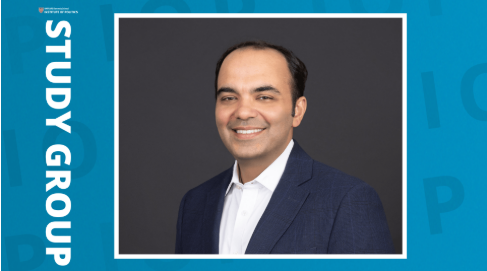
In an era defined by massive wealth gaps and the rapid rise of artificial intelligence, the question of who truly controls the American economy has become a central concern for the next generation of leaders.
Rohit Chopra, the former Indian American director of the Consumer Financial Protection Bureau, is returning to Harvard University this semester to lead a study group titled “Money and Power in the New Gilded Age.”
Hosted by the Institute of Politics at the Harvard Kennedy School, the one hour series aims to pull back the curtain on how concentrated financial and technological power shapes modern life.
Chopra, who also served as a commissioner on the Federal Trade Commission, has spent much of his career in the crosshairs of Washington’s most heated regulatory battles. Known for his aggressive stance against “junk fees” and his advocacy for consumer privacy, he brings a practitioner’s perspective to the classroom.
Read: Harvard hosts India Conference; Shashi Tharoor, Priyanka Chopra (February 12, 2026)
The study group arrives at a moment of profound economic anxiety. For many Americans, the “American Dream” feels increasingly gatekept by massive corporations and algorithmic decision-making.
Chopra’s curriculum seeks to humanize these complex systemic issues, moving beyond dry statistics to examine how policy choices at the highest levels of government impact the bank accounts and digital lives of everyday citizens.
“We are living through a period where the boundaries between finance, technology, and government are blurring,” the program suggests. The sessions are designed to be interactive, inviting students to challenge the status quo and debate the ethics of market dominance in the 21st century.
Read: 3 Indian Americans among Harvard Alumni Association nominees for governing bodies (
As a Resident Fellow, Chopra joins a long tradition of public servants using the Institute of Politics as a forum for candid, off-the-record dialogue. These sessions are restricted to Harvard students, creating a “safe harbor” for open debate away from the glare of social media and traditional press. This environment allows for a deeper dive into the influence of lobbyists, the mechanics of regulatory capture, and the potential for grassroots reform.
For Chopra, the appointment is a homecoming, Now, he is tasked with helping students navigate a landscape where the “Gilded Age” is no longer just a chapter in a history book, but a lived reality.
By the end of the semester, the goal is for students to leave not just with an understanding of economic theory, but with a blueprint for how democratic institutions can remain resilient in the face of unprecedented corporate influence.