



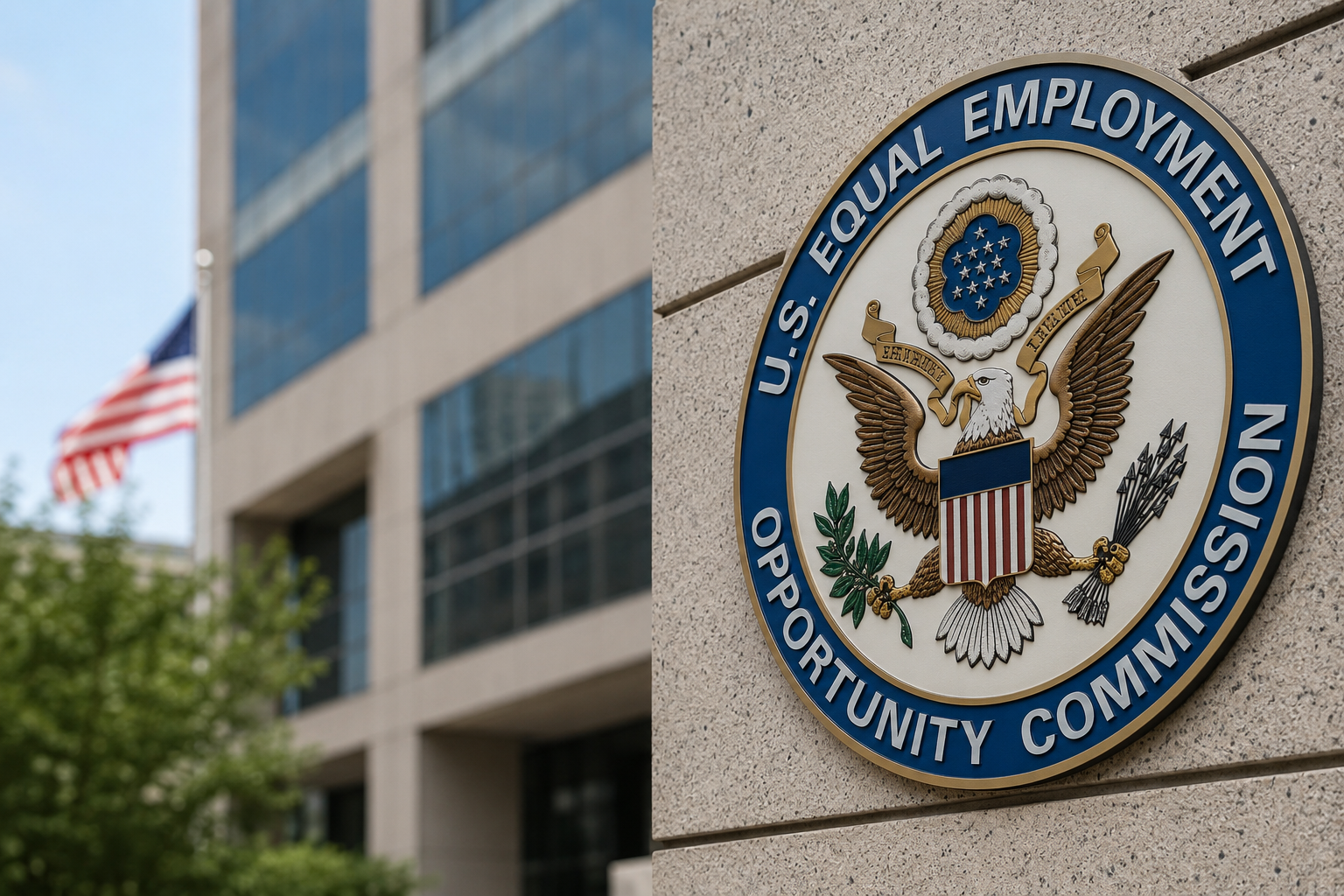
Anti-H-1B activists on social media are intensifying criticism of U.S. employment-based visa programs after resurfacing comments from Andrea R. Lucas about hiring discrimination and American workers.
The renewed debate gained traction after the X account “EndH1BNow” shared posts criticizing the H-1B visa system and linking it to claims that U.S. workers are being displaced by foreign labor. The posts referenced prior remarks by Lucas, who currently chairs the Equal Employment Opportunity Commission under the Trump administration.
READ: ‘Last chance H1B didn’t happen’: Applicant shares heartbreak after USCIS completes 2027 lottery (April 2, 2026)
“They call it a ‘VISA program,’ but it’s really a pipeline for cheap foreign labor,” one widely circulated anti-H-1B post stated.The language reflects growing frustration among some conservative activists and labor-focused critics who argue that companies use the H-1B system to reduce labor costs rather than fill genuine skill shortages. Technology firms and universities have long defended the visa program as essential for recruiting global talent in engineering, research, and specialized fields.
Supporters of stricter immigration policies have increasingly pointed to those remarks while advocating reforms ranging from wage-based visa allocation to broader reductions in foreign worker programs. Online campaigns calling for limits or an end to H-1B visas have gained visibility alongside legislative proposals introduced by Republican lawmakers in Congress.
“These programs are hurting American graduates and workers,” has become a recurring theme in anti-H-1B discussions online.The criticism comes amid broader debates over the future of employment-based immigration in the United States. Some proposed reforms would replace the current H-1B lottery system with wage-prioritized selection, while more aggressive proposals seek to phase out or significantly restrict the program altogether.
READ: New US bill proposes 3-year H-1B visa freeze (April 26, 2026)
Business groups and immigration advocates, however, continue to defend the visa system, arguing that high-skilled immigration supports innovation, research, and economic growth. Major technology companies including Microsoft, Google, and Amazon rely heavily on foreign-born engineers and technical workers. Critics of restrictions warn that aggressive cuts could damage U.S. competitiveness in sectors such as artificial intelligence and semiconductor development.
The online reaction highlights how immigration policy, labor economics, and identity politics are increasingly converging on social media, where debates around H-1B visas have become a flashpoint in broader arguments over globalization and the American workforce.