



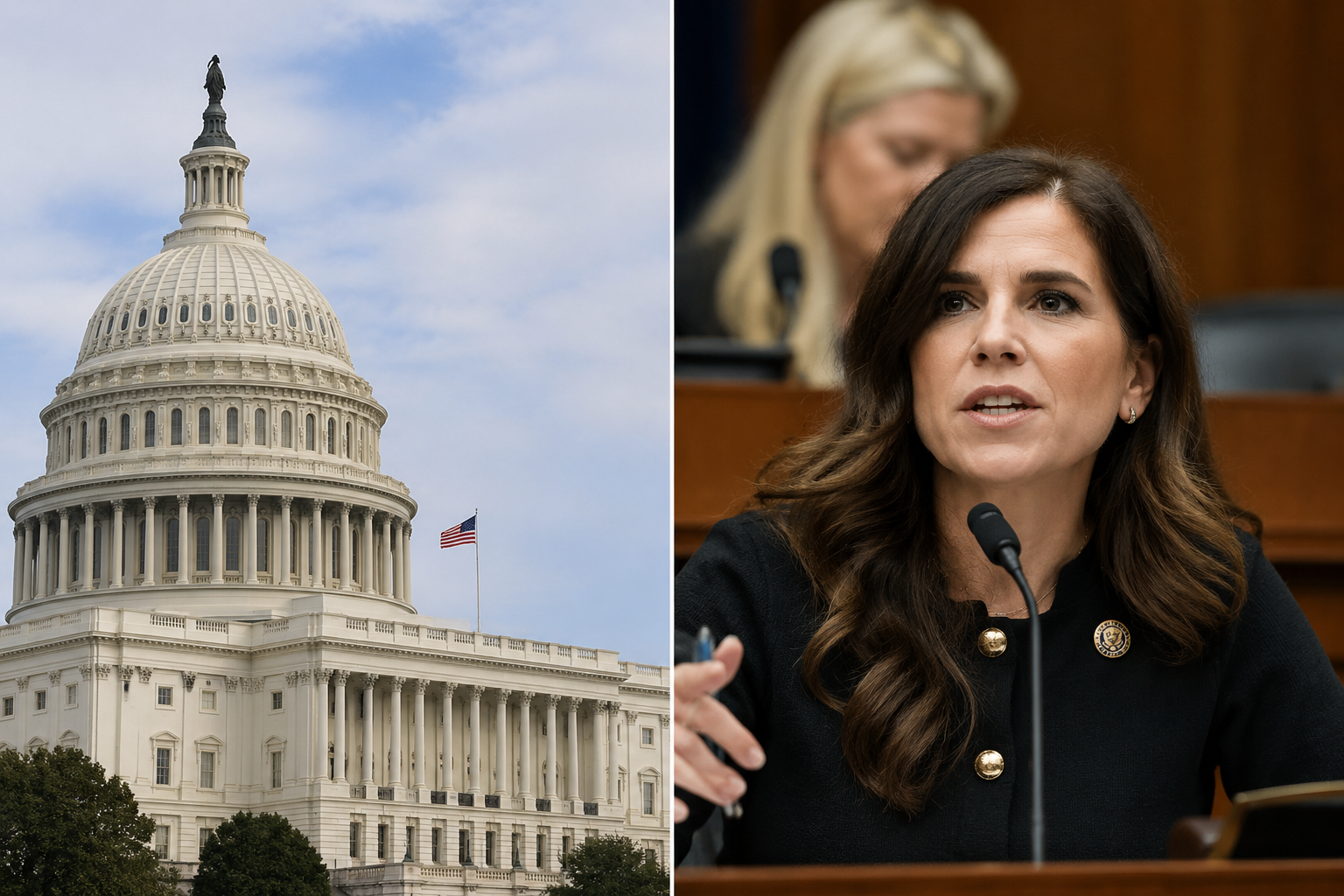
Proposed constitutional amendment sparks debate over immigrant representation, loyalty, and eligibility standards for federal office in the United States. Nancy Mace is facing mounting criticism after introducing a proposed constitutional amendment that would bar naturalized U.S. citizens from serving in Congress, holding Senate-confirmed federal positions, or serving as federal judges.
In a post on X, Nancy Mace argued that “the people writing America’s laws, confirming America’s judges, and representing America on the world stage should have one loyalty: America.” She said the proposal would apply the same “natural born citizen” requirement already imposed on presidents and vice presidents under the U.S. Constitution.
Mace specifically named lawmakers Ilhan Omar, Shri Thanedar, and Pramila Jayapal, writing that their “loyalty is not to America.” The remarks quickly intensified debate over immigration, national identity, and political representation, particularly among immigrant communities that have increasingly gained visibility in American public life.
READ: Usha Vance expects fourth child: A historic pregnancy in American politics (January 21, 2026)
Thanedar and Jayapal, both Indian American Democrats born in India, are among a growing number of naturalized citizens elected to Congress in recent decades. Omar, born in Somalia, became one of the first Muslim women elected to Congress in 2018 after arriving in the United States as a refugee.
Under the current Constitution, naturalized citizens can serve in Congress if they meet residency and citizenship-duration requirements. House members must have been U.S. citizens for at least seven years, while senators must have held citizenship for at least nine years. Only presidents and vice presidents are constitutionally required to be natural born citizens.
Legal scholars note that changing those standards would require a constitutional amendment, one of the most difficult processes in American governance. Amendments must secure two-thirds approval in both chambers of Congress and ratification by three-fourths of U.S. states.
READ: Congresswoman Pramila Jayapal says immigrant families are living in growing fear (May 19, 2026)
Civil rights advocates and immigration groups criticized Nancy Mace’s language, particularly phrases such as “foreign born members” and “America first,” arguing that such rhetoric questions the legitimacy and patriotism of naturalized Americans. Critics say those arguments echo longstanding political tensions surrounding immigration and assimilation in the United States.
Supporters of the proposal, however, contend that senior federal officials should meet the same citizenship standards required of presidents, framing the amendment as a national security and constitutional consistency issue.
The debate has also resonated strongly within Indian American circles, where immigrant success in politics has often been viewed as a reflection of broader civic integration. Indian Americans remain one of the fastest-growing immigrant-origin groups in U.S. public office, with lawmakers increasingly representing districts far beyond traditional diaspora strongholds.