



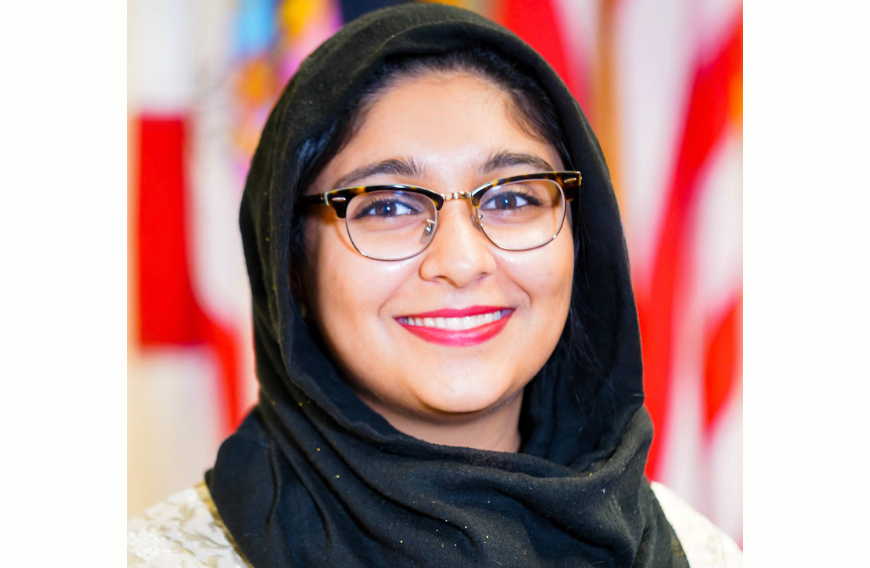
Raaheela Ahmed, a longtime community advocate, former Prince George’s County Board of Education member and democracy organizer, is running again for the Maryland State Senate in District 23.
A lifelong resident of Bowie and a product of Prince George’s County Public Schools, Ahmed has built her public career around educational equity, civic engagement and government accountability. Her experience includes serving on the Prince George’s County Board of Education, representing more than 80,000 residents, as well as holding leadership roles with national organizations focused on voter participation, democratic engagement and leadership development.
Ahmed first entered electoral politics at the age of 18 and later served as Student Regent on the University System of Maryland Board of Regents. In 2022, she resigned from the Board of Education to run for the Maryland Senate, mounting a grassroots campaign that came within two percentage points of defeating the incumbent in the Democratic primary.
Now, as voters prepare to head to the polls on June 23, Ahmed says she is motivated by a desire to better represent her community’s priorities and address challenges ranging from education funding to government transparency.
READ: Maryland’s District 9B candidate Abdun Matin promises to ‘fight’ for immigrants and working families (June 9, 2026)
In an exclusive interview with The American Bazaar, Ahmed discussed her background, her decision to run again, her legislative priorities and her vision for Maryland’s future.
The American Bazaar: For voters who may not be familiar with your background, can you tell us a bit about yourself, and what motivates you to run for public office?
Raaheela Ahmed: Sure! I’ve lived in Bowie, Maryland my whole life, and went to the University of Maryland for college. I’m the child of immigrants from Pakistan and India, and a Muslim.
My professional background is largely in pro-democracy work here in the US. You know, some people’s parents push them to be doctors, or lawyers. My dad, for a very long time, held up public service, specifically elected roles, as an aspiration for my life.
I grew up with a really strong sense of obligation to serve in that way. And a sense—that has grown stronger in the last couple of years—of wanting to represent my community and protect them from the waves of ruinous policy coming out of the U.S. national administration.
After coming within 2% of victory in your last Senate race, what made you decide to run again, and what feels different about this campaign?
It was really hard to make the decision to run for office again, because campaigning is a mixed bag – amazing, because I get to talk to so many people and feel really inspired, but also rough because it’s exhausting.
But I decided to run because our current senator is voting in ways that are contrary to my community’s values. He has been taking money and introducing bills for the tobacco industry, gambling industry and big tech industry. And no one is asking for that.
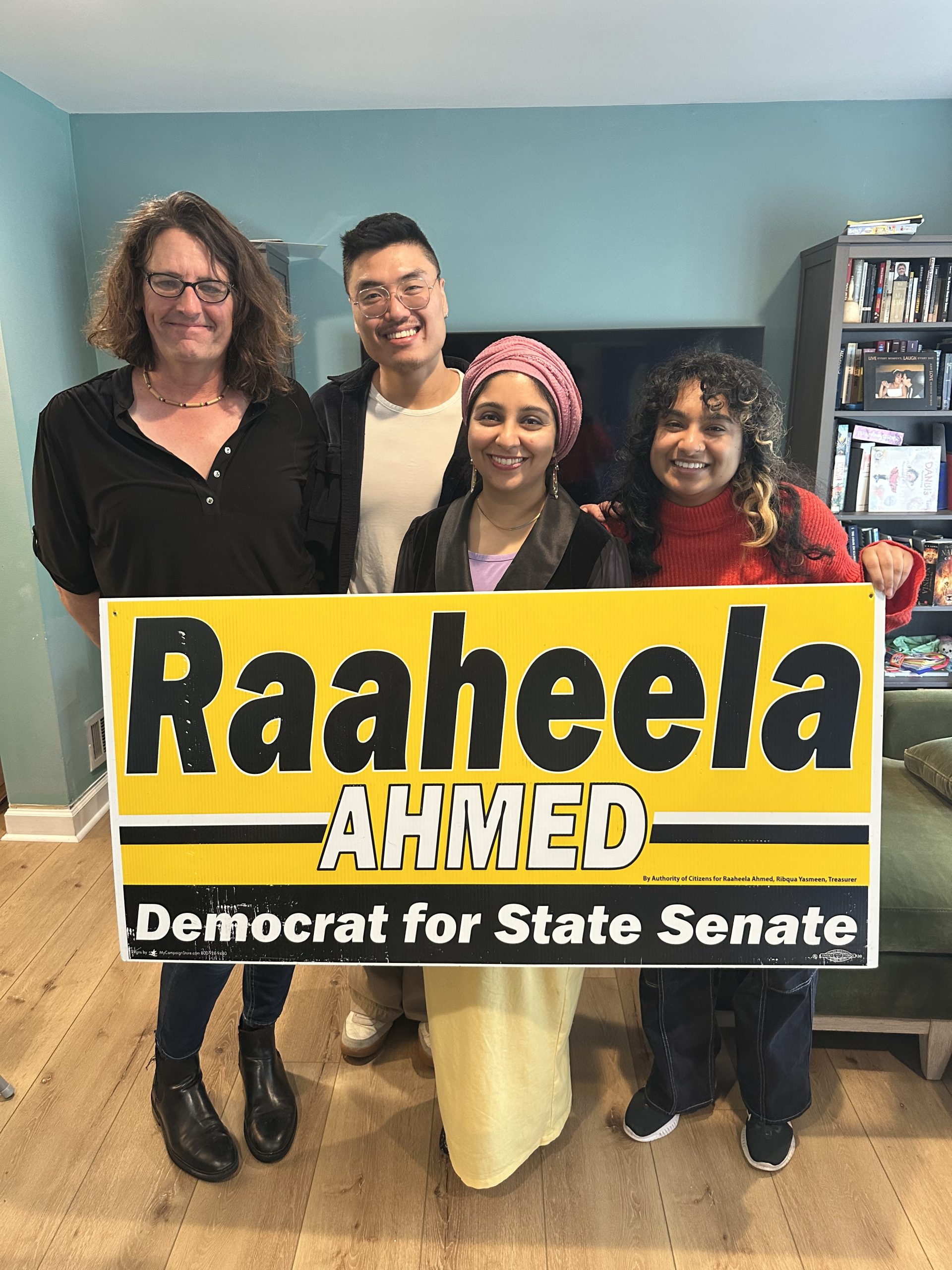
Folks in my community are asking for quality schools and employment and to be able to pay their bills. And that’s what I want to fight for.
If elected on June 23, what is the first piece of legislation or policy issue you would prioritize in the Maryland Senate, and why?
Education has always been a priority issue for me. We are going into a big underfunding year, so fighting back against that and getting sufficient money for our schools and teachers will be a top priority for me.
Specifically, I want to fully fund the Blueprint for Maryland’s Future. We have HBCUs that are considering laying off tenured employees and school systems that are cutting off programs.
We can’t even continue to talk about how to pay teachers what they’re worth. It’s a travesty.
You first ran for office at just 18 years old. Looking back, how has that journey shaped the leader and candidate voters see today?
Because folks in my community have followed me since I was a teenager, there’s a beauty in them also witnessing my growth.
No one is ever exactly the same person as they were a year ago, let alone 10 or 20. To have people experience the service leader that I’ve continued to grow into has been really nice.
It has been heartwarming to be able to go to the doors of people who have been following me since I was 18 and who appreciate the effort I’ve put in, the ways I’ve evolved, and my commitment to setting up the next generation for success.
You’ve spent years encouraging civic participation and training future leaders. Yet voter turnout remains a challenge. What do you think traditional politicians still misunderstand about why people disengage from politics?
There are a couple of major issues. One is that government doesn’t always work for people. And if people don’t see government working for them, and/or any way for that to really change, where’s the hope?
I think there’s also a sense of safety and reprieve in avoiding knowledge about politics, and avoiding thinking about politics, because it’s exhausting. People are challenged every day by just trying to live, and the dismal state of where we are as a country.
Our politics have a cost—an emotional tax—for those who engage, and so the system discourages participation.
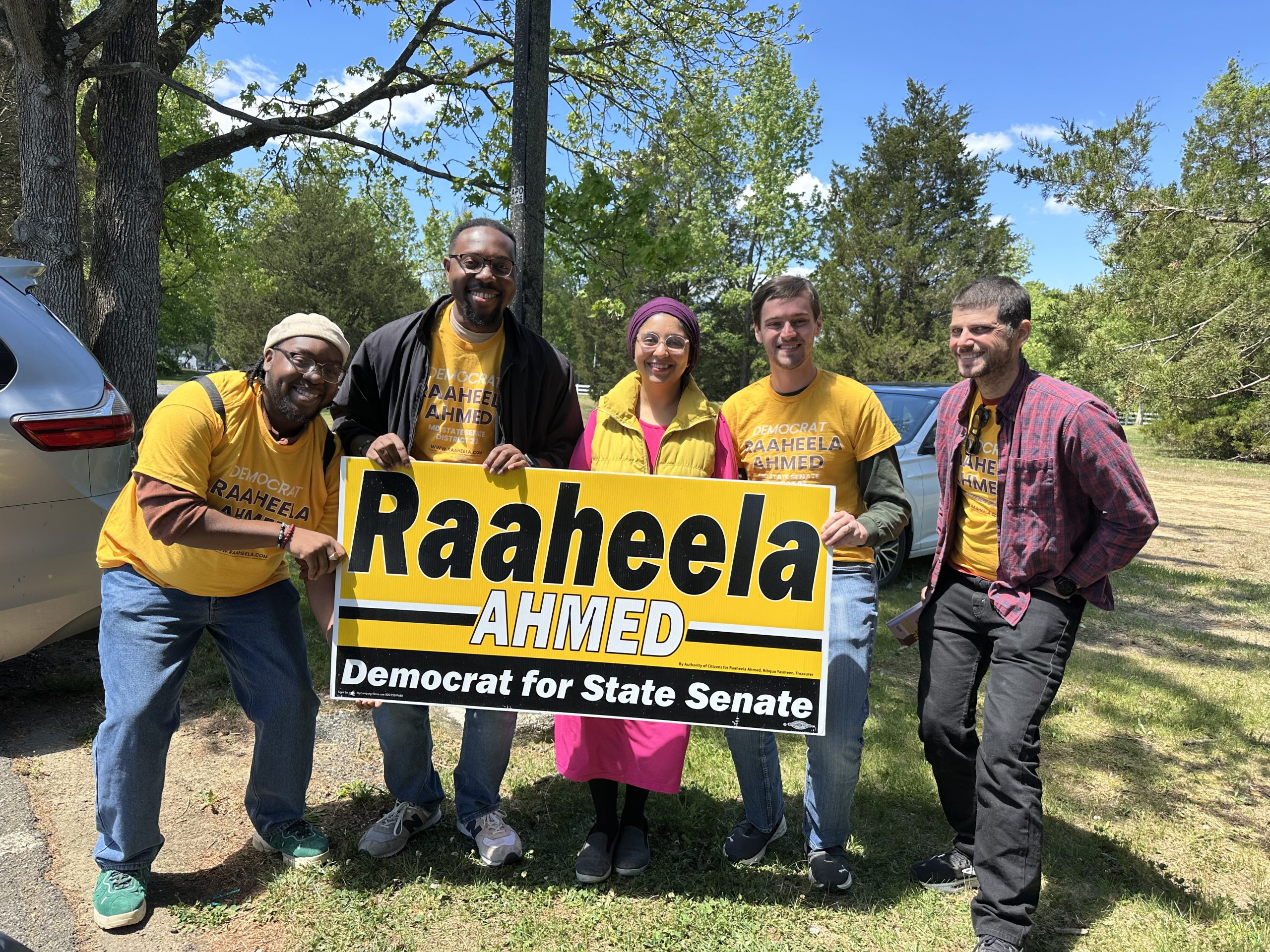
Elected officials have the responsibility to address the social and economic issues that people face so that there’s less burden on all of us and more room for political engagement. They also have the responsibility to make politics a less dismal space so that the emotional cost of engagement is lower.
People can only be engaged as far as their capacity allows.
Where do you believe Maryland government still lacks transparency, and what reforms would you pursue?
I would say that there have been some positive changes, but there is a lot more work to do.
There is still a lack of transparency on floor amendments—people don’t know what amendments are being made to bills. They can only see the final product of what passed and what didn’t.
Policy is nuanced and we’re not transparent about the nuances that are being addressed and voted upon by committees in the legislature.
Our systems could be more democratic. Large swathes of the legislature are originally appointed to their positions, not elected. And we use a system of voting that means that a person can win an election without a majority vote.
READ: How Maryland’s District 39 race reveals the growing disconnect in American politics (May 28, 2026)
There are solutions to these problems that the state has not taken—like ranked choice voting and special elections to fill vacancies. But we don’t pursue them because some politicians want to maintain their power.
We need to be thinking about how we empower people, not elected officials.
As voters prepare to cast their ballots, what is the one message you want them to remember about your campaign and your vision for Maryland’s future?
My vision for community is one where every single person wakes up in the morning, walks outside, looks around, and knows that their neighbors have their backs.
They drop their kids off at school knowing that it’s going to be a quality, safe environment. They go to work at a job that pays them enough to pay their bills. They know that at any point in time, if they feel sick, the health care system will work for them.
And they’ll be able to come home to a secure house with food on the table and people that love them surrounding them.
The important thing to know is that this vision lives beyond any single person, and it’s possible to reach with a collective understanding of what needs to be done.