



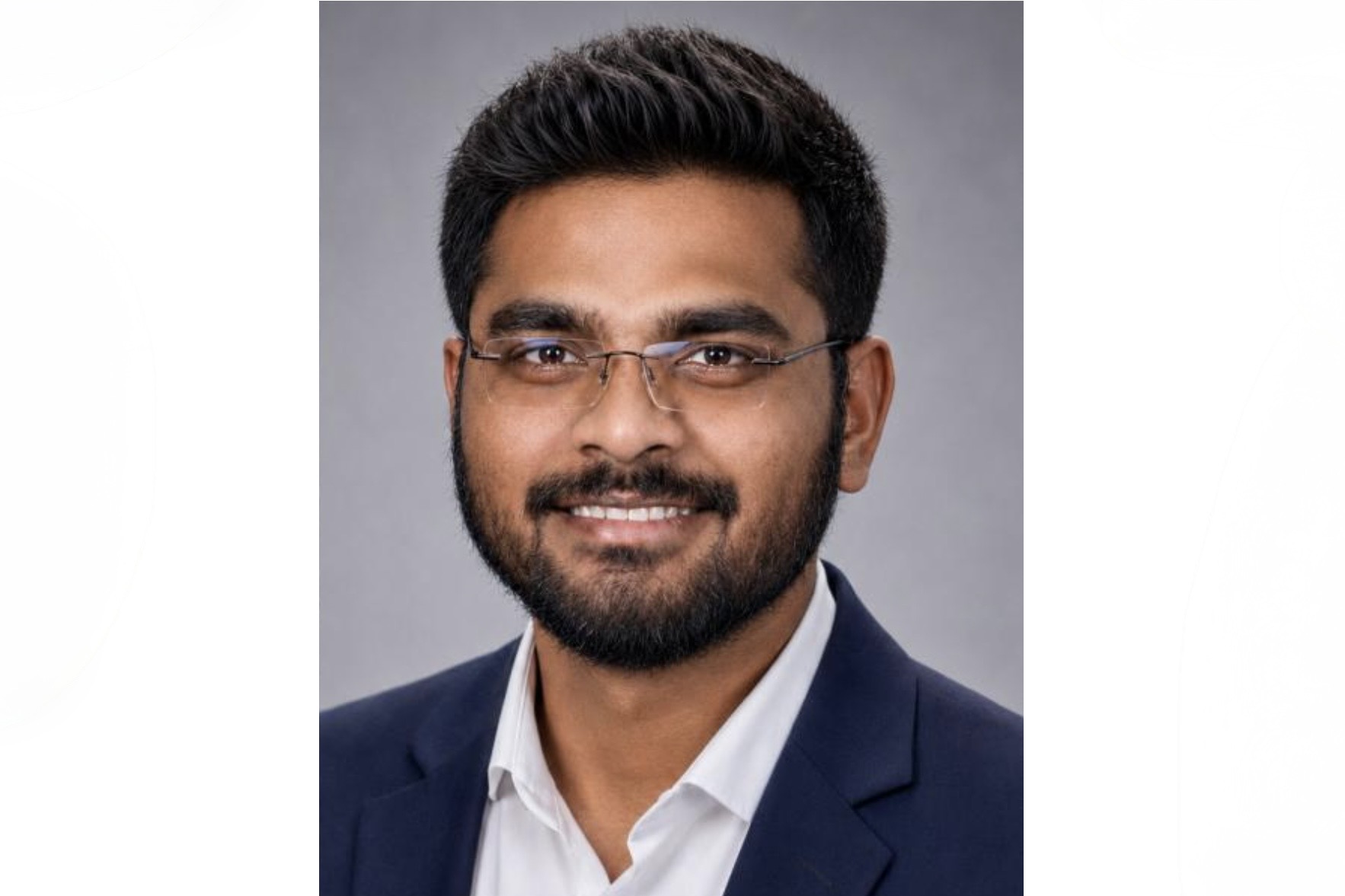
Gopi Yalavarthi, an Indian doctoral student at Penn State University has won a 2026 Interdisciplinary Innovation Fellowship (IIF) to study how to harness dietary fiber to treat inflammatory bowel disease.
Awarded by One Health Microbiome Center (OHMC) of the Huck Institutes of the Life Sciences at Penn State, the IIF supports trainee-led projects bringing together diverse disciplines in innovative and impactful ways.
This year, three recipients were each awarded funds to advance collaborative research through the development of new skills, tools and approaches that transcend traditional academic boundaries.
Read: Indian American economist Bhaven Sampat joins Johns Hopkins faculty (July 28, 2026)
Yalavarthi, doctoral candidate in nutritional sciences and advised by Vishal Singh, associate professor of nutritional sciences, will study “Harnessing dietary fiber to reshape the gut microbiome and promote mucosal repair in inflammatory bowel disease.” He will train with Darrell Cockburn, associate professor of food science.
Yalavarthi, highlighted that this program will provide an opportunity to expand research collaborations and develop new approaches to addressing complex health challenges.
“I am honored to receive the IIF and excited to advance our research on how dietary fibers can reshape the gut microbiome and promote intestinal healing in inflammatory bowel disease (IBD),” Yalavarthi said. “I look forward to developing findings that may support safe, diet-based strategies to complement existing treatments for individuals living with IBD.”
Read: Indian American scholar Pratim Biswas to lead Vanderbilt Engineering Innovation (July 31, 2026)
A Veterinary Sciences graduate from Nanaji Deshmukh veterinary science and animal husbandry, Jabalpur, India, Yalavarthi did his MS in Animal Sciences from the University of Connecticut before enrolling for a PhD in Nutritional Sciences at Penn State.
Established in 2022, the IIF aims to expand trainees’ expertise beyond their primary research focus through short-term training experiences in a lab at Penn State or with collaborators at other institutions.
After completing the fellowship, recipients return to their home labs at Penn State to apply and share their newly acquired knowledge with the center community. Fellows also present a public seminar, giving a broader audience an opportunity to learn from their experiences and discoveries.