



By Palak Devpura
Here is a fact many people do not know: KitKat was not originally called KitKat.
When the chocolate-covered wafer was introduced in the United Kingdom in 1935, it was sold as “Chocolate Crisp.” The KitKat name appeared later, followed by the famous line, “Have a break, have a KitKat.”
Its journey shows that a valuable brand is not created overnight. It is built through years of consistent use, advertising, product quality and consumer trust.
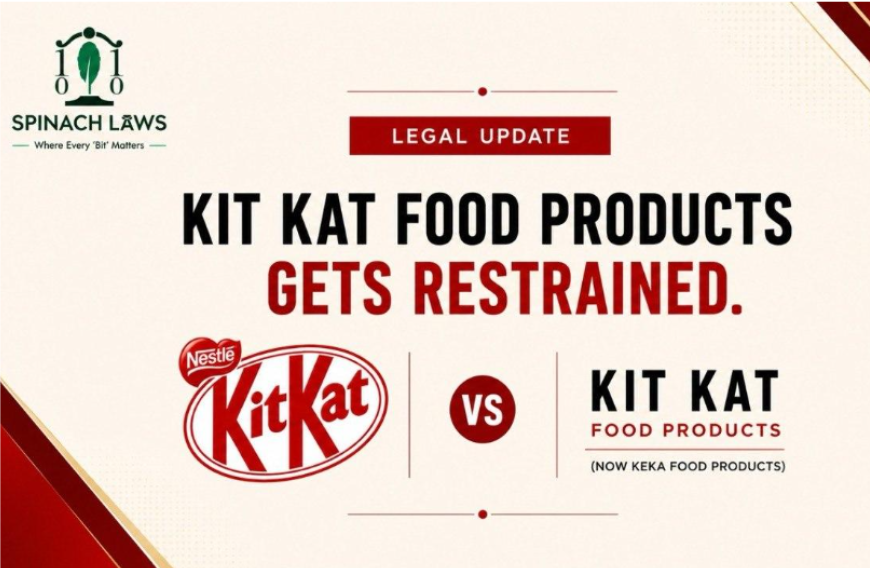
That reputation became the center of a trademark dispute when the name “KIT KAT” appeared on packets of chanachur and cereal-based snacks sold by a Kolkata partnership called Kit Kat Food Products.
At first, the businesses appeared different. Nestlé sold wafer chocolates, while Kit Kat Food Products sold savory snacks. The defendants claimed that they had used the name since 1991, applied to register it in Class 30 and obtained copyright registration for the artistic label used on their packaging.
READ: Rebel Creamery files for bankruptcy days after $23.8 million court judgment (August 17, 2026)
Their argument was simple: the products were not the same.
Nestlé, however, argued that the issue was not limited to the ingredients inside the packet. “KIT KAT” had already acquired a distinctive identity. Using the identical name on another food product could make consumers believe that the snacks were manufactured, licensed or approved by Nestlé.
The Calcutta High Court permanently restrained Kit Kat Food Products and its partners from using “KIT KAT” as a trademark, trade name or artistic work. The restriction also extended to deceptively similar names.
The Court considered Nestlé’s earlier use, the identical nature of the marks and the overlapping channels through which the products reached consumers.
This is the most important part for founders: trademark disputes are not decided only by asking whether two products are identical.
Courts may also examine:
Who buys the products
Where they are sold
Whether they travel through similar retail channels
Whether an ordinary consumer may assume that the businesses are connected
Wafer chocolates, chanachur, ice cream and other snacks may appear in the same shops and be purchased by similar consumer groups, including children. That commercial overlap can create confusion even where the products themselves are different.
READ: Wisconsin brewery that promised ‘free beer’ after Trump’s death faces permit revocation (July 30, 2026)
The copyright registration for the defendants’ label also did not provide an unrestricted right to use the name. Copyright may protect artwork or packaging, while trademark law protects the commercial identity through which customers recognize the source of goods. One registration does not automatically defeat rights protected under another law.
Strong takeaways for founders
- Different products do not always make a similar name safe. Consumer perception and trade channels also matter.
- A registration is not a complete defense. Copyright in a label cannot necessarily authorize infringement of an earlier trademark.
- Conduct the trademark search before launch. Rebranding after packaging, marketing and customer acquisition can be expensive.
- A familiar name may bring quick attention. But a distinctive name creates something far more valuable: recognition that belongs only to your business.
(Palak Devpura is co-founder of Spinach Laws, a startup-focused legal services firm advising founders on incorporation, brand protection and cross-border transactions. This column is part of the ongoing Spinach Laws × The American Bazaar series on law for founders.)