



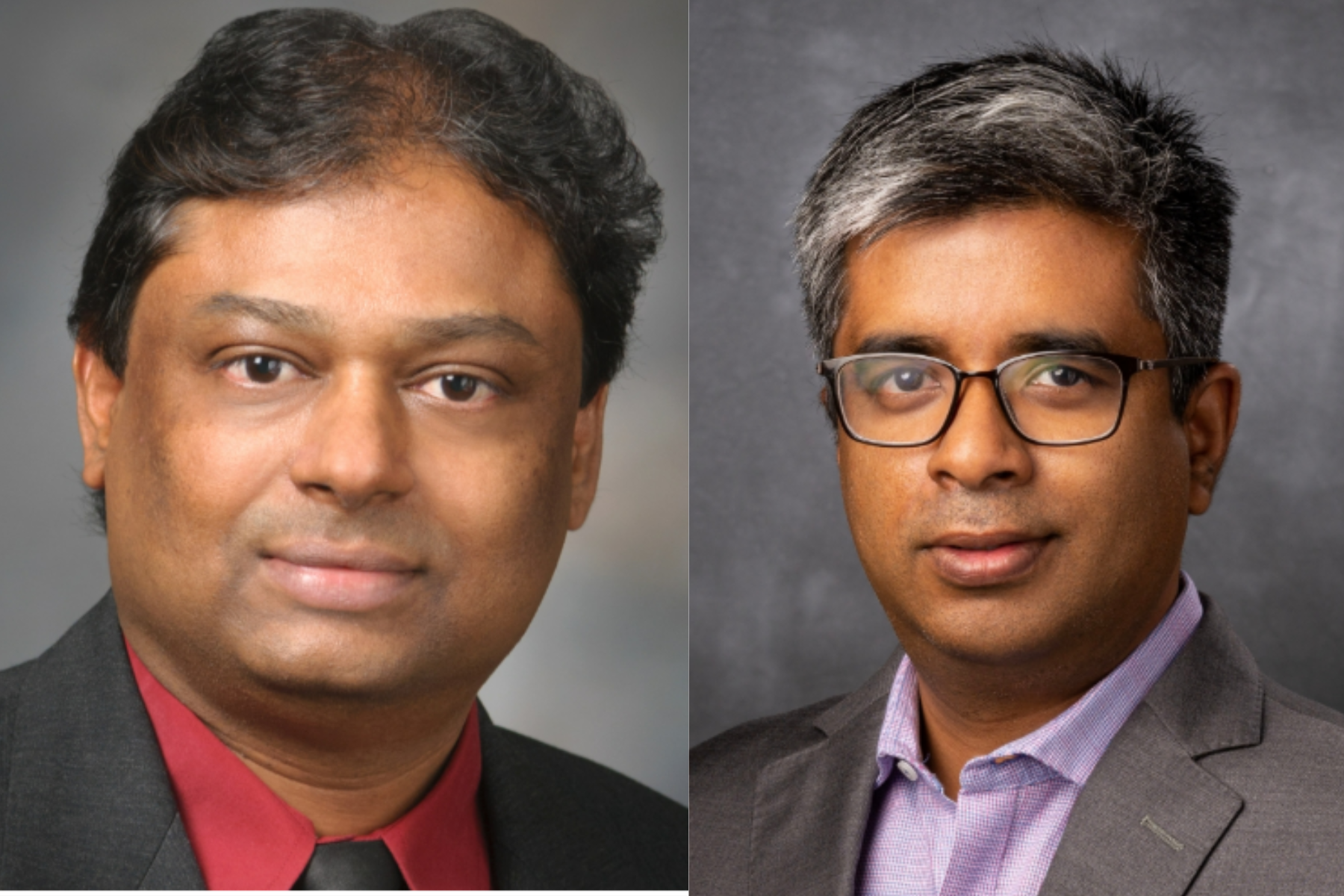
The University of Texas MD Anderson Cancer Center recognized outstanding faculty members during its annual Celebration of Faculty Excellence, emphasizing significant contributions to cancer research, patient care, prevention, and education.
Among the honorees receiving institutional recognition was Dr. Sanjay Shete, a professor of biostatistics at MD Anderson, who received the Margaret and James A. Elkins, Jr. Faculty Achievement Award in Cancer Prevention. The award recognizes original contributions that advance the understanding and prevention of cancer.
Born in India, Shete completed his foundational education in statistics in Maharashtra, earning his bachelor’s, master’s, and Master of Philosophy degrees from Shivaji University in Kolhapur.
Read: Intel recognizes two Indian American researchers for AI innovations (August 12, 2026)
He later served as a research scholar at the Indian Statistical Institute in Kolkata before moving to the United States, where he earned a doctorate in statistics from the University of Georgia in 1998.
At MD Anderson, Shete holds the Barnhart Family Distinguished Professorship in Targeted Therapies and serves as section chief of behavioral and social statistics.
The institutional celebration also appreciated early-career and translational researchers across the medical center, including Dr. Palaniraja Thandapani, an assistant professor in the Department of Hematopoietic Biology and Malignancy.
Read: 7 Indian American sophomores win Wisconsin University research fellowships (August 10, 2026)
Thandapani completed his undergraduate studies in India, earning a Bachelor of Biotechnology degree from the Vellore Institute of Technology (VIT) in Tamil Nadu. During his undergraduate training, he was awarded a Summer Research Fellowship by the Indian Academy of Sciences.
He subsequently completed his graduate studies at McGill University in Montreal, Canada, receiving a master’s degree in applied biotechnology and a doctorate in experimental medicine. At MD Anderson, Thandapani leads a laboratory focusing on cellular mechanisms, RNA biology, and translational targets in acute leukemias.
The annual faculty celebration underscores the continued contributions of Indian-born and Indian-educated researchers who built early academic roots in India before advancing cancer research initiatives in the United States.