



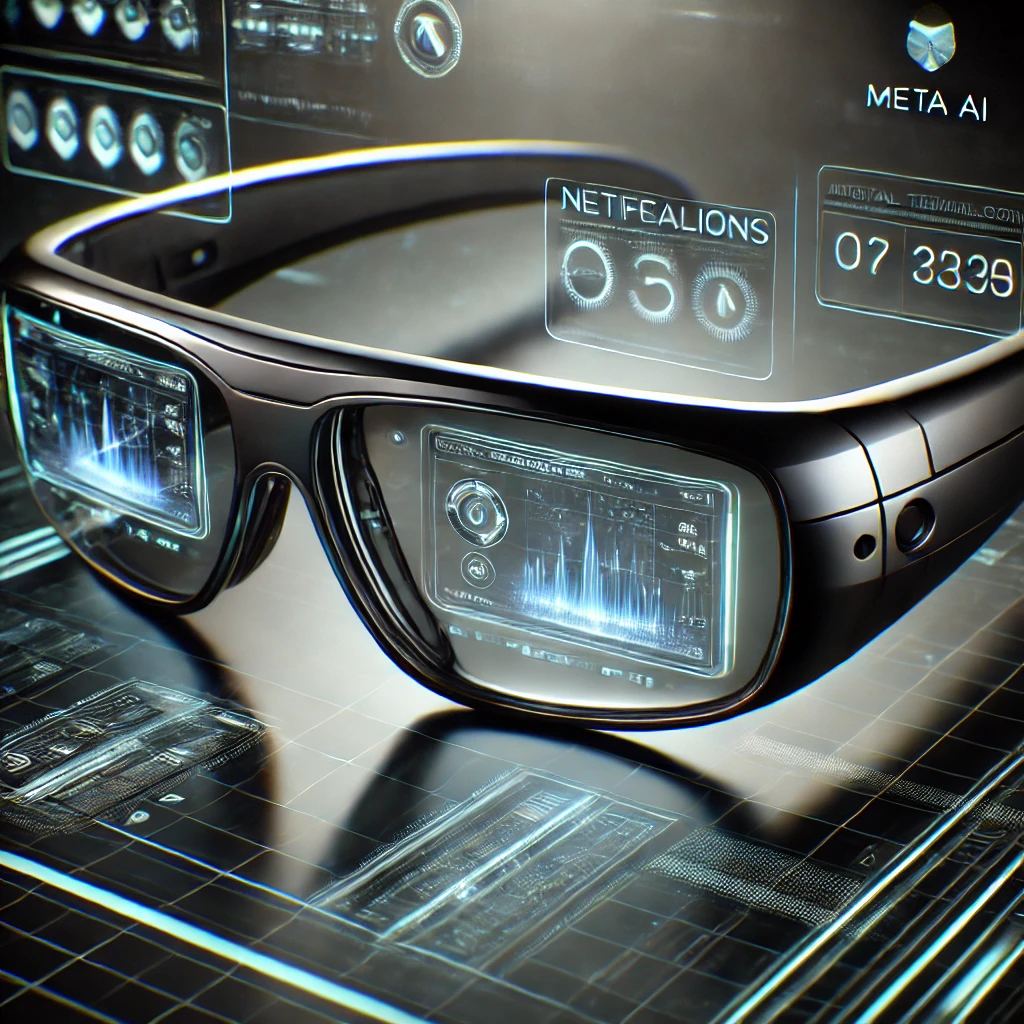
Meta is reportedly developing a camera-free version of its smart glasses following intense public backlash and privacy concerns linked to the recording option in devices.
Despite outperforming competing market entries, Meta’s camera equipped eyewear has triggered unease among critics who view the gadgets as intrusive symbols of runaway surveillance.
Amid mounting public complaints labeling the wearable technology as creepy equipment, the tech firm is reportedly preparing to launch a version devoid of built-in recording hardware.
READ: Meta launches Muse AI in US: What the new personal agent can do for users (September 9, 2026)
The tech corporation, led by Chief Executive Mark Zuckerberg, is reportedly looking to release the camera-free model, code-named Luna, as early as next week during the Meta Connect conference.
The forthcoming wearable device will omit cameras, addressing mounting criticism from consumers and the public regarding invasive behaviour and harassment in public spaces.
The current generation of camera-equipped eyewear has faced severe scrutiny after reports emerged detailing how men utilized the devices to record people without permission, leading to widespread social stigma that left many owners hesitant to wear them in public.
In response to the growing backlash, Meta has reportedly attempted to implement a “kill switch” and remotely brick the glasses of abusive users.
Despite removing the camera, Project Luna will still feature an array of six microphones to allow users to interact with the company’s AI chatbot and its AI assistant called Muse.
READ: Meta to develop an AI agent platform Hatch for task completion (August 25, 2026)
Privacy experts note that these microphones will presumably pick up audio from surrounding environments where bystanders may remain unaware of the audio pickup.
The development follows a proposed class-action lawsuit filed by two families alleging that Meta was extracting biometric information from Facebook and Instagram photos to build a facial recognition system for its smart glasses.
Industry analysts point out that the camera-free glasses will test whether buyers are willing to purchase spectacles primarily to converse with AI companions rather than take first-person view photos.