



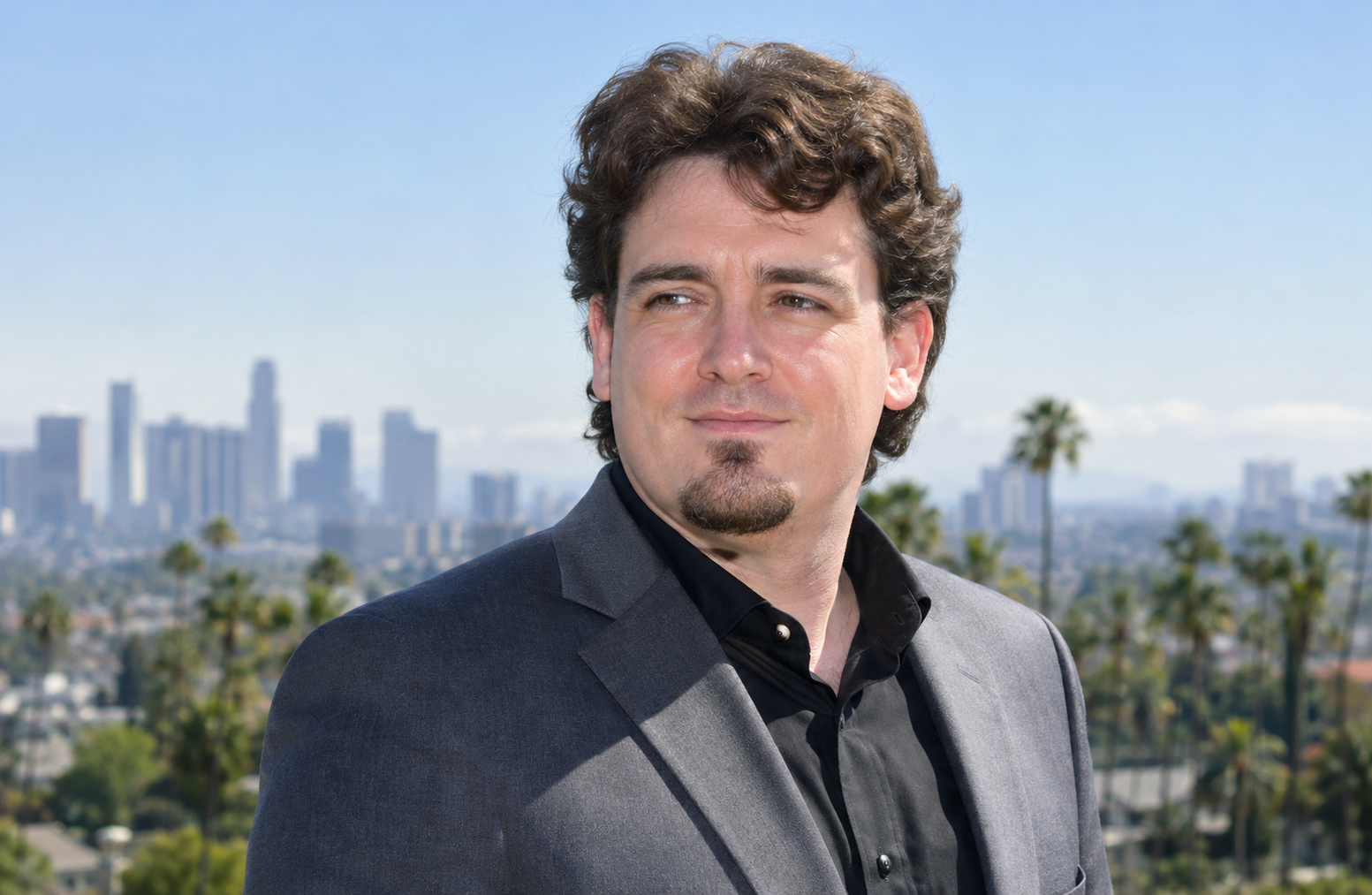
Palmer Luckey, the billionaire founder of defense technology company Anduril, says he plans to remain in California despite opposing a proposed one-time wealth tax on the state’s richest residents. His decision comes as the measure sparks debate over billionaire relocations, business investment and potential tax revenue.
According to TechCrunch, Luckey said during an invitation-only press conference on Monday that he wants to stay in California and work to change what he considers problematic policies. He also expressed concern that the proposal could prompt companies he works with to leave the state.
Luckey says Anduril’s ownership structure complicates the tax
Luckey’s concerns center on how the proposal would value company ownership and voting control. He said he has given employees equity in Anduril while retaining voting rights to maintain control of the company.
Anduril, headquartered in Costa Mesa, California, was last valued at $61 billion. Luckey estimated that he could owe approximately $3 billion under the proposed tax based on his interest in the company, although the actual liability would depend on how the measure’s provisions applied to his holdings.
READ: Google co-founder Sergey Brin is leaving California to avoid wealth tax (April 29, 2026)
Luckey also argued that leaving California could affect his voting rights. He said those rights depend on his remaining an American citizen living in the United States and running Anduril, a defense contractor that supplies equipment to the U.S. military.
He has called for legal challenges if the measure passes, particularly over its treatment of voting interests and wealth accumulated before the tax takes effect. These are Luckey’s objections to the proposal, not a determination that the measure would be unconstitutional.
What California’s proposed billionaire tax would do
California’s Proposition 40 would impose a one-time tax of 5% on the net worth of billionaires who were residents of the state on Jan. 1, 2026. The tax would be due in 2027, with an option to spread payments over five years at an additional cost. Real estate, pensions and most retirement accounts would generally be excluded.
Under the proposal, 90% of the revenue would go toward health care, while the remaining 10% would support education, food assistance and tax administration. Supporters say the measure would help offset federal funding cuts affecting health care and other public services.
Opponents have warned that the tax could encourage wealthy residents and businesses to relocate, potentially reducing California’s future income tax revenue. The state’s Legislative Analyst’s Office says the proposal could generate tens of billions of dollars, while also potentially reducing ongoing income tax collections by less than $1 billion annually.
Billionaires divided over staying in California
Luckey’s position contrasts with that of some other prominent technology entrepreneurs who have taken steps to distance themselves from California amid the proposed tax.
Google co-founders Larry Page and Sergey Brin have moved away from the state, according to reporting by Bloomberg Law and other outlets. Meta CEO Mark Zuckerberg, meanwhile, reached an agreement with Meta’s board to help cover a potential tax liability while retaining control of the company and committed to staying in California for eight years, subject to specified exceptions.
READ: United Airlines CEO calls for national wealth tax (October 20, 2026)
The proposal is scheduled to go before California voters on Nov. 3. Its outcome could shape the state’s approach to taxing billionaire wealth and influence an ongoing debate over public funding, business investment and the movement of wealthy residents.
Luckey said he intends to remain in California and oppose the measure rather than leave the state.