



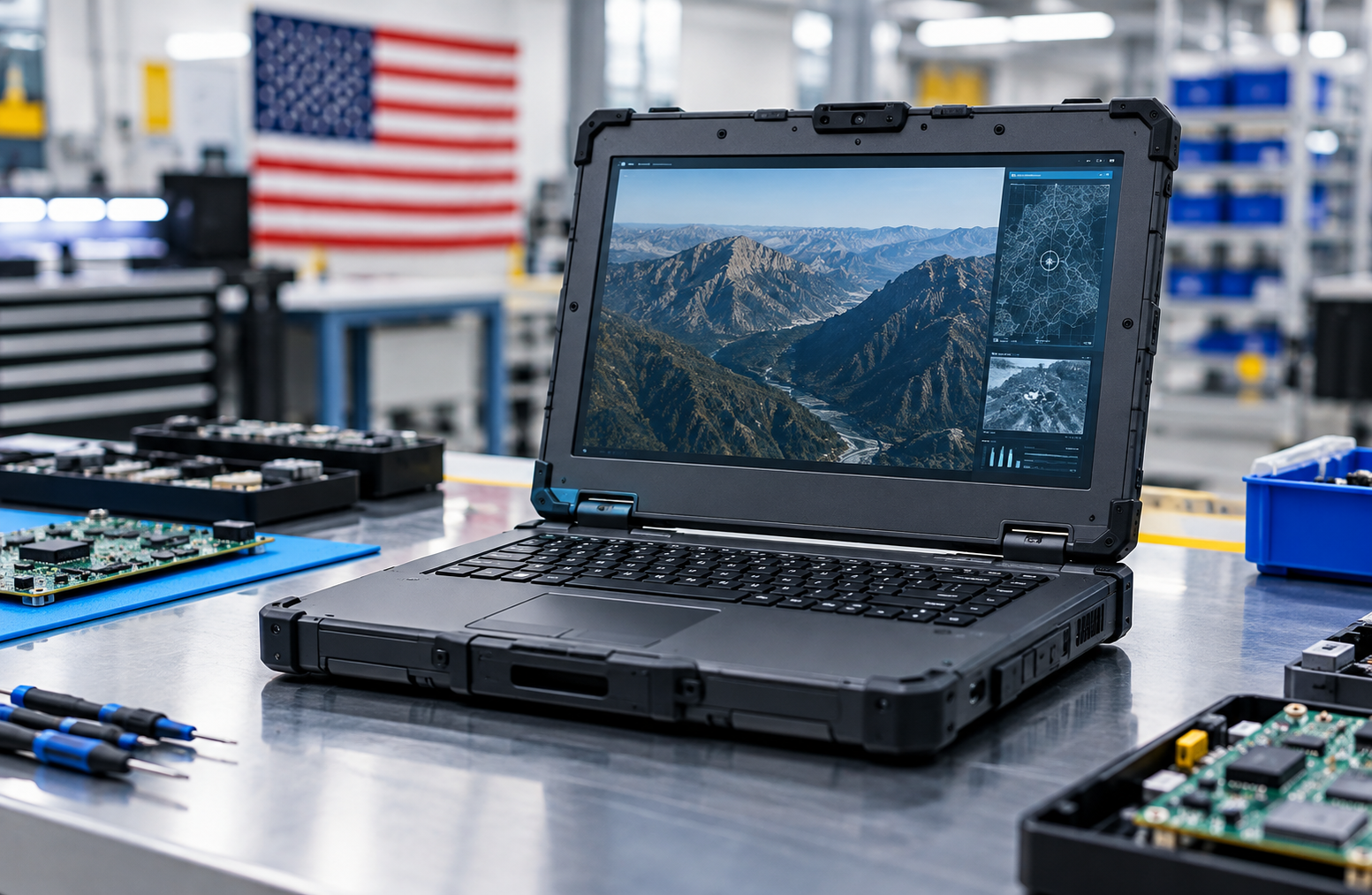
Anduril, a defense technology company founded by Palmer Luckey, has partnered with Qualcomm to develop a new line of rugged laptops designed to strengthen U.S. computer manufacturing and reduce dependence on overseas suppliers.
The companies announced the BlueChip initiative on Oct. 27, with the first laptop expected to become available for preorder in 2027. The device is primarily aimed at government agencies, military personnel, first responders and law enforcement, according to TechCrunch.
READ: Anduril’s Palmer Luckey to remain in California despite opposing billionaire wealth tax (October 27, 2026)
The initiative comes as companies seek to rebuild domestic production of computers and their components, many of which are manufactured overseas.
BlueChip targets government and defense customers
The first BlueChip laptop is being designed to withstand demanding physical conditions, including exposure to rain and dust. Its rugged construction and security features are intended to meet the requirements of customers handling sensitive information.
Anduril has developed functional prototypes, though TechCrunch reported that some component suppliers have yet to be finalized.
Qualcomm will supply its Snapdragon X Series computing platform, which provides processing power, graphics capabilities and on-device artificial intelligence features. The laptop will use an Arm-based architecture, with the processors manufactured by Taiwan Semiconductor Manufacturing Co. at its Arizona facility, according to reports. The companies are also working to ensure compatibility with Windows applications, government-used Linux distributions and older software still employed by some agencies.
Companies aim to expand US manufacturing
Anduril said approximately 90% of the first laptop’s component procurement costs come from suppliers in the United States and allied countries. The company aims to increase domestic sourcing over time, with the eventual goal of establishing a fully American supply chain.
Circuit board assembly is planned at Anduril’s Arsenal-1 facility in Ohio. The company is also developing domestic production capabilities for laptop enclosures, battery components and other hardware.
Producing a laptop entirely in the United States presents significant challenges because several components, including displays, remain concentrated in overseas manufacturing markets.
Anduril is working to identify American suppliers and develop manufacturing processes that can support domestic production at scale.
In its October 27 announcement, Qualcomm said the initiative would begin with a U.S.-built laptop and establish the supplier base and manufacturing capabilities required to expand computer production in the country.
Security and supply-chain transparency
The companies are positioning BlueChip as an option for organizations that need greater visibility into the hardware and software used in their computers.
Anduril founder Palmer Luckey has argued that customers should be able to identify and audit the components and software running on their devices. Keeping AI processing on the laptop could also help organizations handle sensitive information without sending it to cloud services.
The product is intended to serve government agencies that face procurement requirements involving domestically manufactured computers. A traceable supply chain could help address those requirements.
However, the first-generation laptop will not necessarily appeal to typical consumers. Its rugged design is expected to make it heavier and impose battery-life trade-offs compared with conventional laptops.
READ: Anduril sets $90 billion valuation in employee share sale (October 15, 2026)
Luckey also estimated that BlueChip could cost about 20% more than typical high-end personal computers, although the company has not announced official pricing.
A longer-term push to rebuild computer production
Anduril hopes to expand BlueChip beyond its first laptop into a broader range of computing products. The initiative reflects a wider effort to strengthen American industrial capacity and reduce reliance on foreign suppliers for strategically important technology.
For now, the companies face the challenge of developing domestic sources for components that are still produced predominantly overseas. The success of the project will depend on their ability to establish reliable suppliers, scale manufacturing and manage costs.
The first BlueChip laptop is expected to be available for preorder in 2027, with the companies pursuing a longer-term goal of making the entire product domestically.