



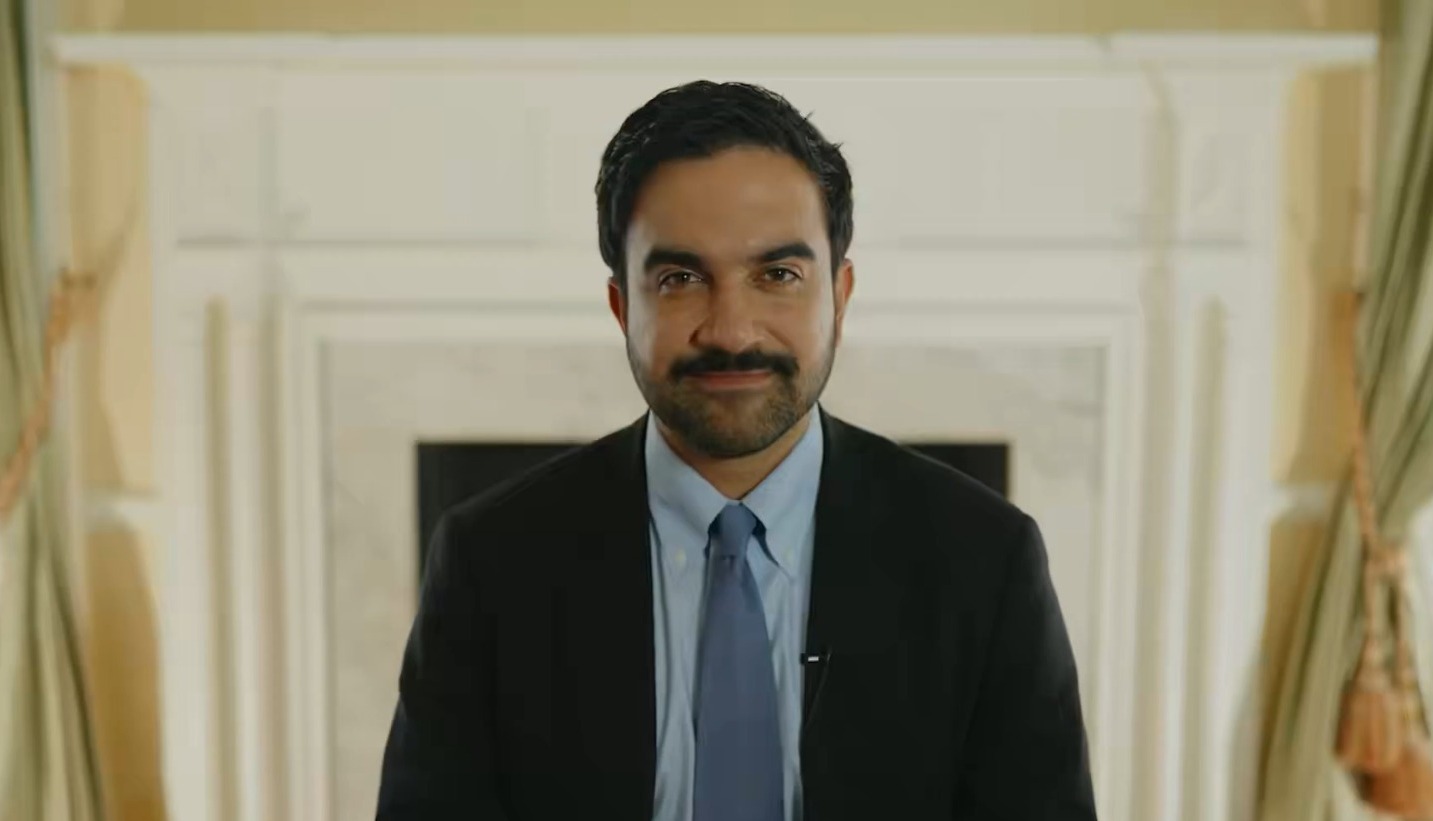
New York City Mayor Zohran Mamdani announced that he is disbanding the New York Police Department’s (NYPD) Strategic Response Group (SRG), a specialized unit that has faced years of criticism over its handling of protests and allegations of excessive force.
The decision fulfills a key campaign promise by Mamdani, who had pledged to separate counterterrorism operations from the policing of demonstrations and public gatherings.
READ: Mamdani visits Queens Hindu temple, condemns threats to Hindu worshippers after Illinois plot (November 16, 2026)
Announcing the overhaul alongside NYPD Commissioner Jessica Tisch, Mamdani said protesters exercising their constitutional rights should not face the same police response as people suspected of terrorism. The administration will replace the SRG’s protest-related responsibilities with a new structure centered on civilian engagement, communication and de-escalation.
New civilian-led protest response
The mayor’s office will establish a Community Dialogue and De-escalation Division (CDDD) within the Mayor’s Office of Community Safety. The civilian-led division will have neither weapons nor arrest powers. The NYPD will also create a 30-member First Amendment Support Team (FAST) within its Community Affairs Bureau. Its officers will receive specialized training in communication and de-escalation.
A separate Patrol Support Division (PSD) will handle crowd-management support and other patrol responsibilities. Its vetted officers will receive specialized training and may make arrests at demonstrations in rare instances when necessary.
Restrictions on police tactics
The reforms also introduce new restrictions on police tactics during demonstrations. Officers will be prohibited from using:
- Tear gas and long guns during First Amendment activities.
- Kettling, a tactic in which police surround and confine demonstrators.
- Pepper spray as a general crowd-management tool.
Long-range acoustic devices will be restricted to 90 decibels. Officers will also face restrictions on using bicycles as weapons, except when necessary to prevent death or physical injury. The SRG’s counterterrorism responsibilities, including deployments of heavy weapons at critical infrastructure, will move to the NYPD’s Intelligence and Counterterrorism Bureau.
Background: Years of criticism
Established in 2015, the Strategic Response Group was designed to respond to major emergencies, demonstrations, civil disturbances and counterterrorism threats.
However, the unit faced allegations of excessive force and aggressive crowd-control tactics, particularly during protests following the 2020 killing of George Floyd. In 2023, the city reached a legal settlement following a lawsuit brought by New York Attorney General Letitia James, the New York Civil Liberties Union and others over the treatment of protesters, journalists and legal observers during demonstrations in 2020.
The settlement imposed restrictions on the NYPD’s protest-policing practices and increased scrutiny of the department’s crowd-control operations.
Police unions raise safety concerns
The announcement drew contrasting responses from civil rights organizations and police representatives. Civil rights groups welcomed the disbanding but cautioned that the newly created Patrol Support Division would require close oversight to ensure that the old unit’s practices do not continue under a different structure.
The New York Civil Liberties Union said it would monitor the new arrangements for compliance with the 2023 settlement. Police Benevolent Association President Patrick Hendry criticized the decision, arguing that the changes could put officers and the public at risk during demonstrations involving blocked roads, bridges and public disruptions.
READ: Mamdani signs COPA law giving NYC nonprofits first shot at buying distressed apartment buildings (November 11, 2026)
Tisch, meanwhile, defended the restructuring, saying the changes would preserve the department’s ability to respond to serious threats while improving its protest-response framework.
Approximately 500 officers assigned to the SRG will be redistributed across the NYPD, with some moving to counterterrorism operations. The administration said the restructuring would not increase or reduce the department’s overall headcount and would involve no additional cost.
The decision marks a significant change in New York City’s approach to protest policing, placing greater emphasis on civilian engagement while retaining police support for crowd management and public safety.