



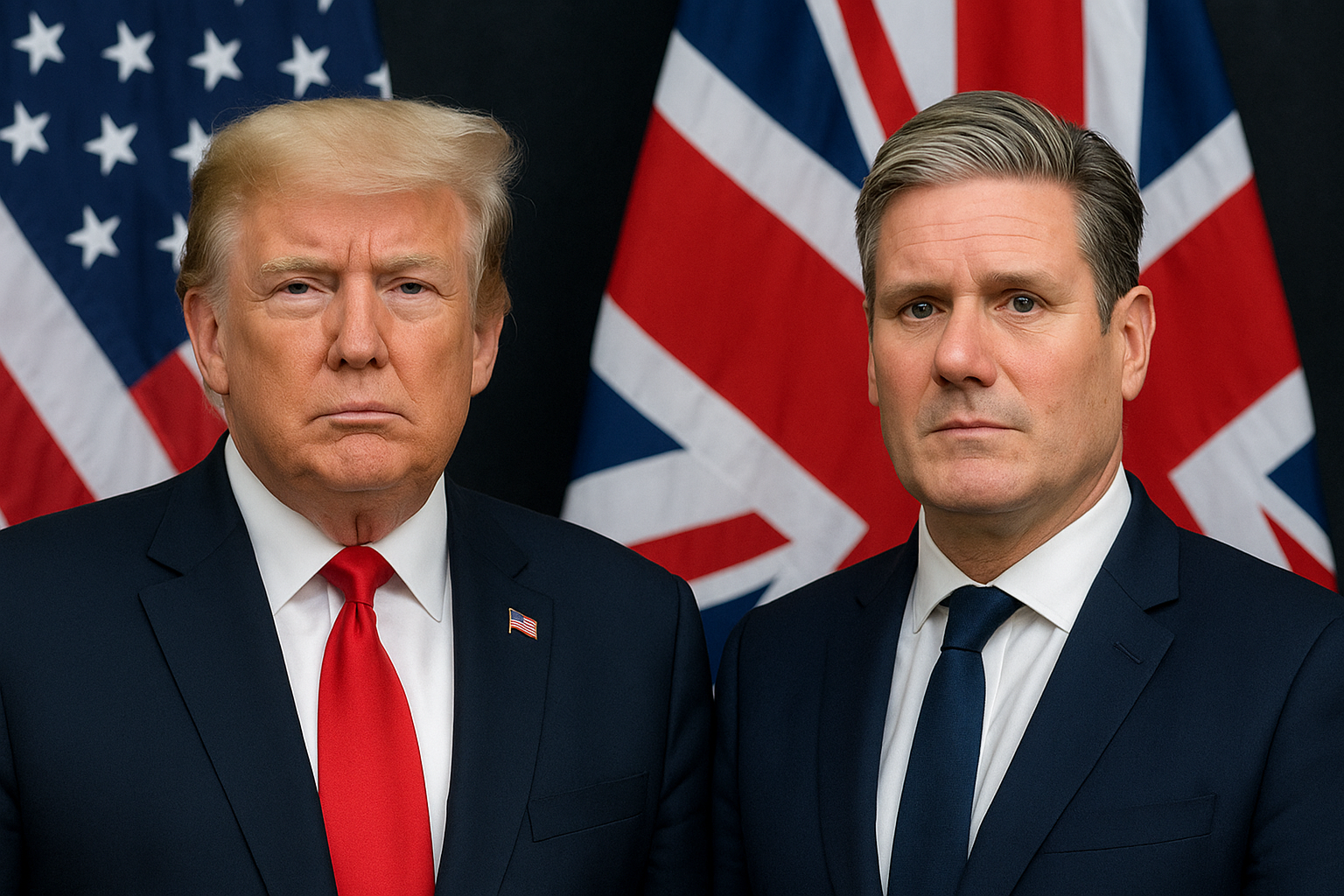
It looks like the U.S. and UK are gearing up for a very serious partnership. The U.S. and UK are expected to sign a flurry of major new deals during President Donald Trump’s state visit to Britain this week, seeking to kickstart a “golden age” of nuclear power.
Despite the U.S. imposing tariffs on several trade partners including the UK, it looks like the two countries are preparing for a very fruitful relationship.
Some of the multi-billion-pound agreements set to be inked include plans by U.S. and UK companies to build up to 12 advanced new modular reactors in Hartlepool, a port town in northeast England, and a push to develop data centers powered by small modular reactors (SMRs) in Nottinghamshire.
“With President Trump’s leadership, the United States is ushering in a true nuclear renaissance – harnessing the power of commercial nuclear to meet rising energy demand and fuel the AI revolution,” U.S. Secretary of Energy Chris Wright said on Monday.
READ: Google taps nuclear power for data centers, reveals first reactor site (
The cross-Atlantic partnership is hoped to generate thousands of jobs, speed up the process of building new nuclear power stations and unlock billions in private investment. But that’s not all, many more lucrative deals are expected to be signed during this visit, marking a new chapter in the U.S.-UK relations.
One of the most notable announcements is OpenAI’s $500 billion Stargate data center project set to be established in Blyth, Northumberland. In collaboration with Nvidia and UK data center operator Nscale, this initiative aims to position the UK as a global leader in sovereign artificial intelligence technology. The project will enhance Britain’s digital infrastructure and innovation capabilities, providing critical support for AI research and development. This move not only underscores the UK’s ambition to be at the forefront of AI advancements but also strengthens its technological ties with the United States.
Energy cooperation also takes center stage during the visit, with plans to sign a major nuclear energy partnership. The agreement focuses on deploying small modular reactors (SMRs) and advanced modular reactors in northeast England. These projects are designed to enhance the UK’s energy security by reducing dependence on imported nuclear materials, particularly from Russia, and supporting the country’s ambitious carbon reduction goals. The deal aims to streamline regulatory approvals and foster job creation, contributing significantly to the UK’s clean energy transition while reinforcing transatlantic industrial collaboration.
READ: Stock market rallies in light of latest UK-US trade deal (
Trade discussions are another key component of the visit, with both countries working toward a comprehensive deal that covers sectors such as automobiles, aerospace, steel, and agriculture.
The flurry of US-UK agreements signals a strategic deepening of ties in nuclear energy, advanced technology, and trade. The deployment of up to 12 advanced modular reactors in Hartlepool through a confirmed partnership between Centrica and U.S.-based X Energy underscores a shared commitment to low-carbon, secure energy systems. Similarly, plans for small modular reactor-powered data centers in Nottinghamshire, involving Holtec and EDF, highlight the integration of energy and digital infrastructure. These projects are designed to reduce dependence on imported nuclear fuel, especially from Russia, and create high-skilled jobs across the UK.
Regulatory alignment between U.S. and UK nuclear authorities will also accelerate approvals and lower barriers for future projects. While broader trade talks are still evolving, the energy and technology deals reflect a mutual push to strengthen economic resilience and industrial competitiveness.