



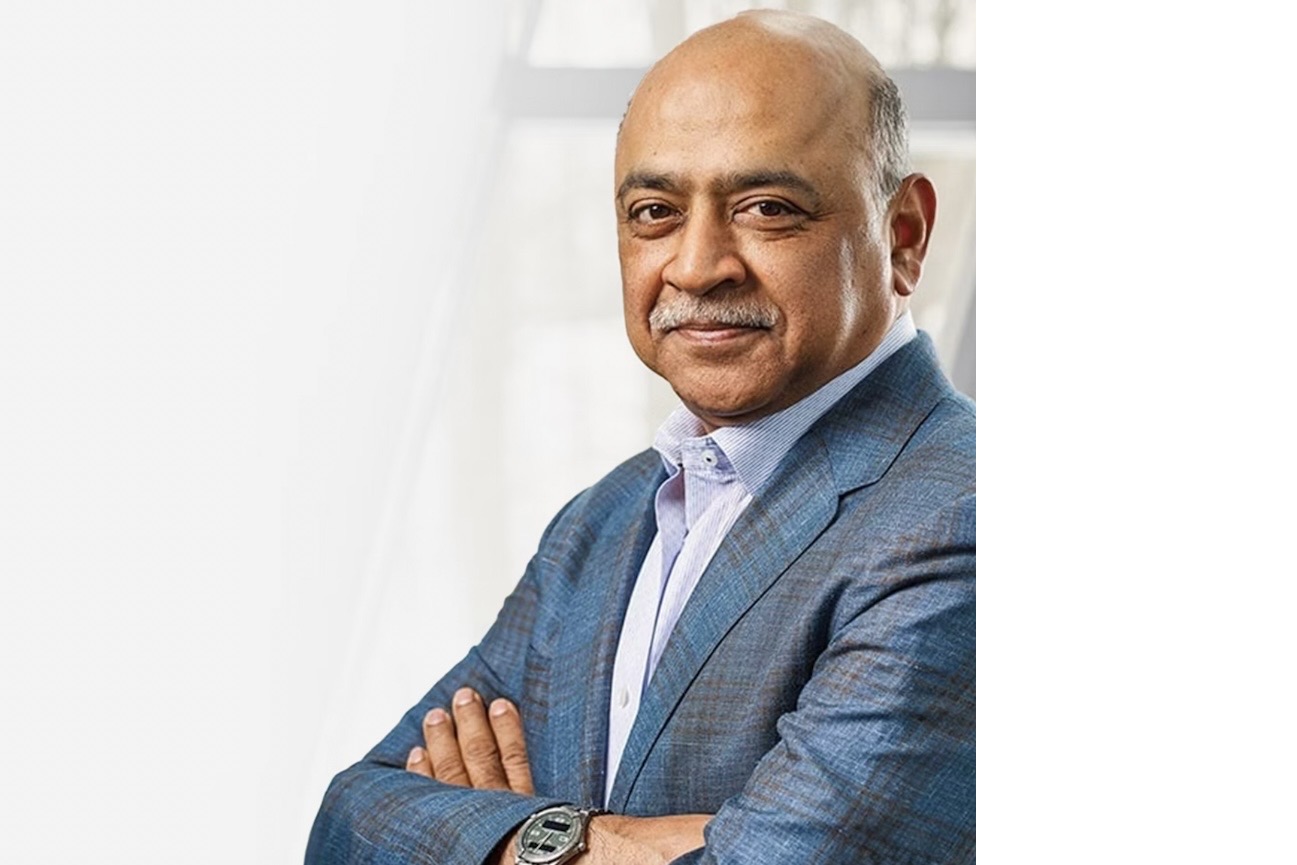
Arvind Krishna, Indian American IBM CEO, wants America to embrace open approaches to AI and deploying the technology at scale, to accelerate economic growth and broaden access to AI’s benefits at home and abroad.
“We believe open innovation is the foundation of technological advancement,” he posted on Instagram after a roundtable with President Donald Trump at The White House last week to discuss the administration’s American AI Exports Initiative to strengthen U.S. leadership in AI and support global partners by promoting the export of American AI technology around the world.
“IBM strongly supports this once in a generation opportunity to cement America’s leadership in a truly transformational technology, and we applaud the Administration for leading this critical effort,” Krishna wrote. “This isn’t just about advancing U.S. influence. It’s about ensuring that the next economic revolution is built on flexible, trusted, American technology ecosystems.”
“We believe open innovation is the foundation of technological advancement,” he wrote, “and by embracing open approaches to AI and deploying the technology at scale, America can accelerate economic growth and broaden access to AI’s benefits at home and abroad.”
READ: IBM CEO Arvind Krishna believes AI will not replace humans (
Krishna, who was seated next to the president in the Roosevelt Room of the White House, said the U.S. must urgently enable allies to adopt the full suite of American-built AI tools.
“It’s incredibly important that under the action plans that you have laid out… we really help promote the AI stack, which is not semiconductors only,” he said. “Those are incredibly important. But semiconductors, its software, it’s the systems which many of us here build, and it is the software applications on top.”
Krishna noted that current export controls are blocking U.S. firms from deploying AI platforms in key partner markets. “The ability to take certain systems which have semiconductors inside them into these countries… right now, because we have controls on where all the semiconductors can go, then the entire system is restricted,” he said.
READ: Arvind Krishna, Anima Anandkumar win 2025 TIME100 AI Impact Awards (
Krishna warned that the resulting gap was already being exploited by competitors. “Otherwise, we are afraid that competing countries are going to be able to get that stack,” he said.
Krishna urged Trump to maintain guardrails but reduce unnecessary hurdles, stating, “Lower barriers would be very, very helpful.”
Trump responded that his administration would intervene quickly if needed, saying, “I know every country very well, and we have ways of combating that quickly. So, you’ll let me know.”
Krishna also welcomed the administration’s moves to streamline federal regulations, arguing that reduced red tape benefits both U.S. industry and its global partners, including India-based development teams.
He also highlighted IBM’s collaboration with U.S. government agencies on digital modernization, work that has historically influenced best practices adopted by corporate and public-sector clients in India.