



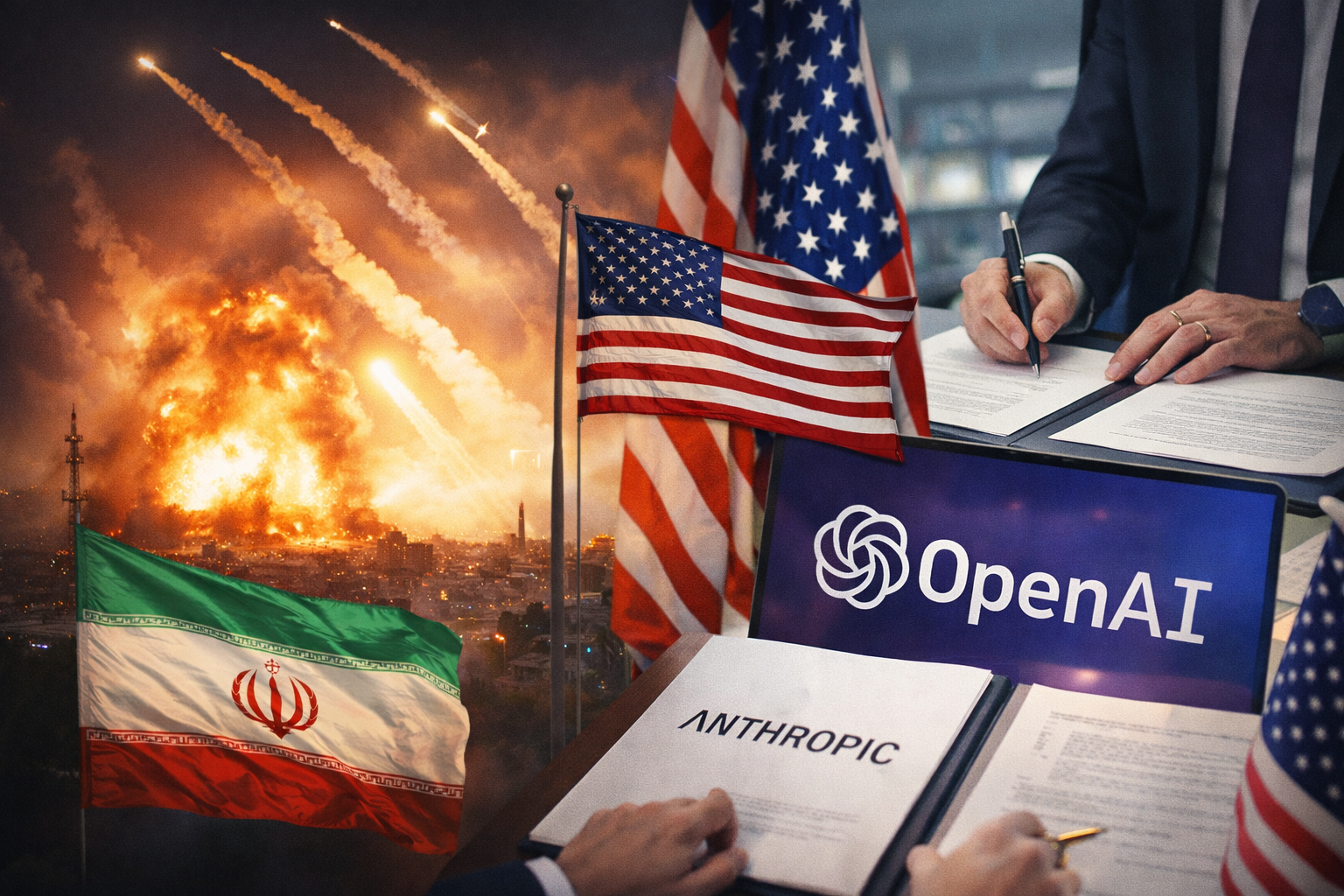
Users are proving the age-old saying “actions speak louder than words” by deleting the ChatGPT mobile app after OpenAI signed a deal with the U.S. Department of Defense, which the Trump administration now calls the Department of War.
For millions of users all over the world, ChatGPT was an everyday digital assistant in their workplace and personal life, but after recent news about the AI company’s partnership with the Pentagon, the values of the users were triggered and the app faced backlash.
According to the statistics, after the news spread on Saturday, February 28, 2026, the app saw almost a 300% spike in uninstalls in the U.S. alone compared to the day before. The average rate of uninstallation is only 9%, which is a lot less compared to the single-day downfall.
The public is raising practical concerns, questioning how and why AI tools should be used in military defense, particularly when it concerns the surveillance of American citizens and autonomous weapons.
The fallout extended beyond uninstalls, as the app’s digital reputation took a simultaneous hit. Market intelligence firm Sensor Tower reported that one-star reviews for ChatGPT skyrocketed by 775% over the same weekend, while the frequency of five-star ratings was cut in half. Previously, the app had been enjoying a 14% growth in downloads just days prior, but that momentum evaporated as soon as the partnership became public.
Read: OpenAI sees wave of senior exits following ChatGPT push
While OpenAI struggled to contain the PR crisis, its primary competitor, Anthropic, saw a record-breaking windfall.
Anthropic’s “Claude” app surged to the top of the U.S. App Store, claiming the No. 1 spot for free apps. The shift was driven by Anthropic’s public refusal to sign military contracts, citing their own inability to agree on terms that would guarantee the AI wouldn’t be used for domestic spying or human-less weaponry.
By Monday, March 2, Claude had not only overtaken ChatGPT in daily U.S. downloads but had also secured the top ranking in six other countries, including Canada and Germany.
This global migration suggests that the “tech-ethics” movement is no longer a niche concern, but a powerful market force.
For OpenAI, the weekend served as a stark reminder of how fragile user loyalty can be in the face of political and ethical controversy.
As users continue to migrate to platforms that align with their personal values, the industry is left to wonder if the “Department of War” deal was worth the cost of millions of once-loyal customers.