



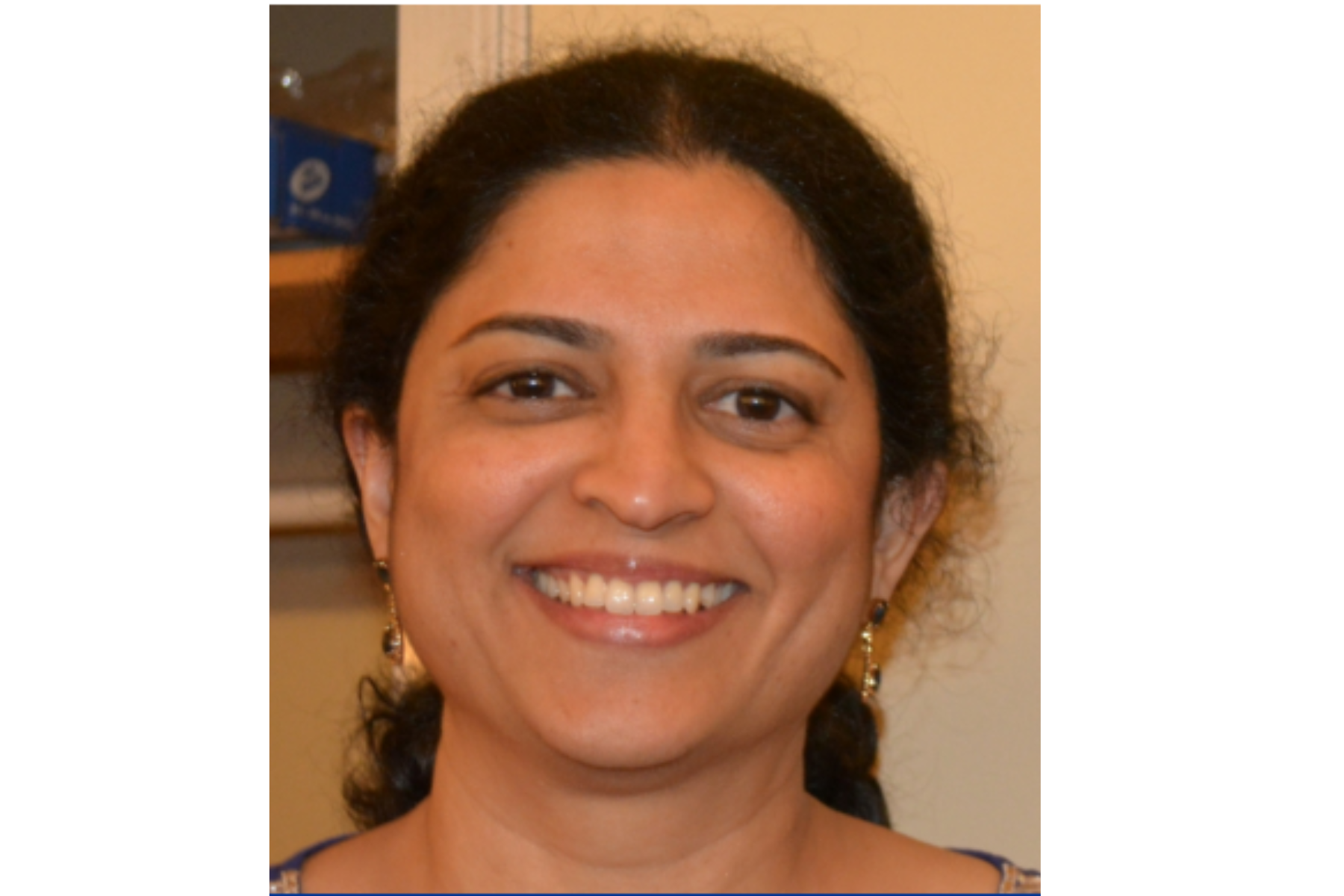
Indian American astrophysicist Sandhya Rao, known for reshaping how students encounter the cosmos has been honored with a top teaching award at the University of Pittsburgh.
Rao, a research professor in the Department of Physics and Astronomy, received the university’s 2026 Chancellor’s Distinguished Teaching Award, one of the institution’s highest recognitions for faculty excellence.
Rao was among 16 faculty members selected across teaching, research and public service categories. Each recipient will be formally recognized at the Faculty Honors Convocation and receive a cash prize of $2,000 and a $3,000 grant to support ongoing work.
For Rao, the award reflects decades of commitment not just to astronomy, but to making it accessible.
Colleagues and university officials cited her “continuous and creative innovation” in teaching, particularly her ability to draw students into astronomy through general education courses. Her classrooms are designed to reach beyond majors, introducing non-science students to complex cosmic questions in engaging, approachable ways.
Read: Indian American researchers join elite class of future science leaders
Equally central to her work is mentorship. Rao has been recognized for providing in-depth, individualized guidance to both undergraduate and graduate researchers, helping shape the next generation of scientists.
Born in India and part of a growing community of Indian American academics in U.S. higher education, Rao’s journey reflects a long-standing connection to the University of Pittsburgh. She earned her Ph.D. from the university in 1994 and has remained there throughout her career, steadily advancing through research and teaching roles.
Her scientific work focuses on understanding how galaxies evolve over time. Using quasar absorption lines, signatures of matter between distant light sources and Earth, Rao studies “damped Lyman alpha” systems, which contain large reservoirs of hydrogen gas essential to star formation. This research helps scientists trace how galaxies form and change across cosmic history.
But while her research explores the farthest reaches of the universe, her teaching remains grounded in the human side of science. Students and peers describe her courses as energetic and immersive, often blending history, observation and modern astrophysics to spark curiosity. That approach, colleagues say, has helped broaden participation in astronomy by inviting students from diverse academic backgrounds into the field.
The Chancellor’s Distinguished Teaching Award underscores that impact, not only recognizing Rao’s subject expertise, but also her ability to make astronomy meaningful to learners at every level.
As universities increasingly emphasize both research and student engagement, Rao’s career stands out as an example of how the two can reinforce each other, expanding knowledge while inspiring those who will carry it forward.