



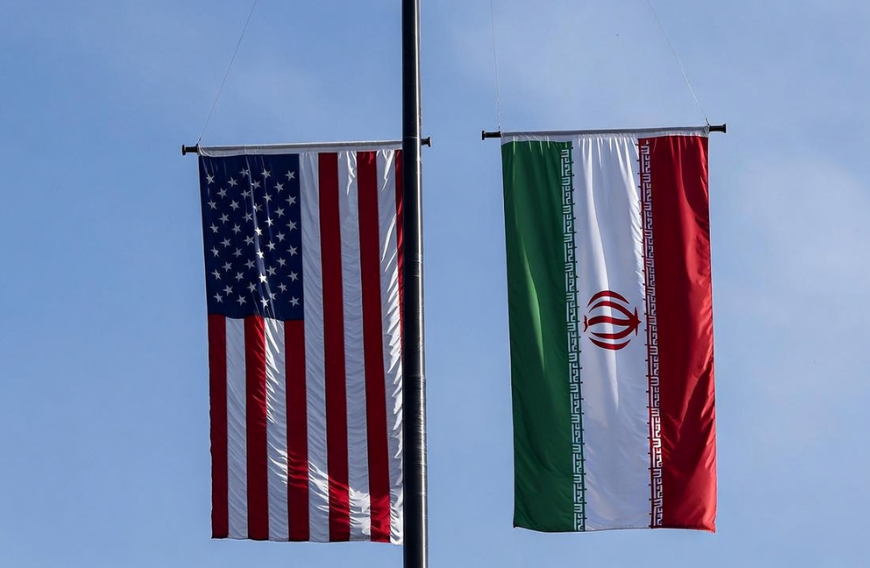
The United States has warned it is prepared to resume military operations against Iran if ongoing negotiations collapse, raising fresh concerns about escalation in an already volatile Middle East conflict.
Speaking at the Pentagon, U.S. Defense Secretary Pete Hegseth made clear that American forces remain on high alert, even as diplomatic efforts continue. The warning comes amid a fragile ceasefire and intensifying pressure on Tehran to agree to a deal that could halt further hostilities.
READ: Iran and US to negotiate amid Strait of Hormuz blockade (April 14, 2026)
According to Reuters, Hegseth said, ‘You, Iran, can choose a prosperous future, a golden bridge, and we hope that you do for the people of Iran.’ This statement highlights a dual-track U.S. strategy that combines diplomacy with deterrence. By framing the deal as a pathway to stability and prosperity, Washington is signaling openness to resolution while reinforcing the consequences of non-compliance, aiming to influence Iran’s leadership without immediate escalation.
‘But if Iran chooses poorly, then they will have a blockade and bombs dropping on infrastructure, power and energy.’ This warning highlights the severity of potential military action and the strategic focus on economic and energy infrastructure. Targeting such assets could significantly weaken Iran’s economy and operational capacity, signaling that future strikes would aim to maximize pressure while minimizing prolonged ground engagement.
U.S. military officials emphasized that forces in the region are ready to act ‘at literally a moment’s notice,’ reflecting a sustained buildup of troops and assets across the Middle East. The Pentagon has also enforced a naval blockade, aiming to restrict Iran’s trade and increase leverage in negotiations.
READ: Hormuz blockade triggers food price fears in US (April 13, 2026)
The conflict, which escalated earlier this year following U.S. and Israeli strikes, has already disrupted global energy markets, particularly through tensions surrounding the Strait of Hormuz, a critical artery for oil shipments.
Despite the aggressive posture, the Trump administration has expressed optimism about reaching a diplomatic resolution. Officials continue to push for an agreement that would curb Iran’s nuclear ambitions and restore stability to the region. Still, the gap between both sides remains significant. Iran has signaled conditional openness to negotiations, while resisting key U.S. demands. Analysts warn that miscalculations or delays could quickly unravel the ceasefire.
As diplomacy and military readiness move in parallel, the situation remains precarious. The coming days may determine whether the conflict shifts toward resolution or slides back into full-scale confrontation.