



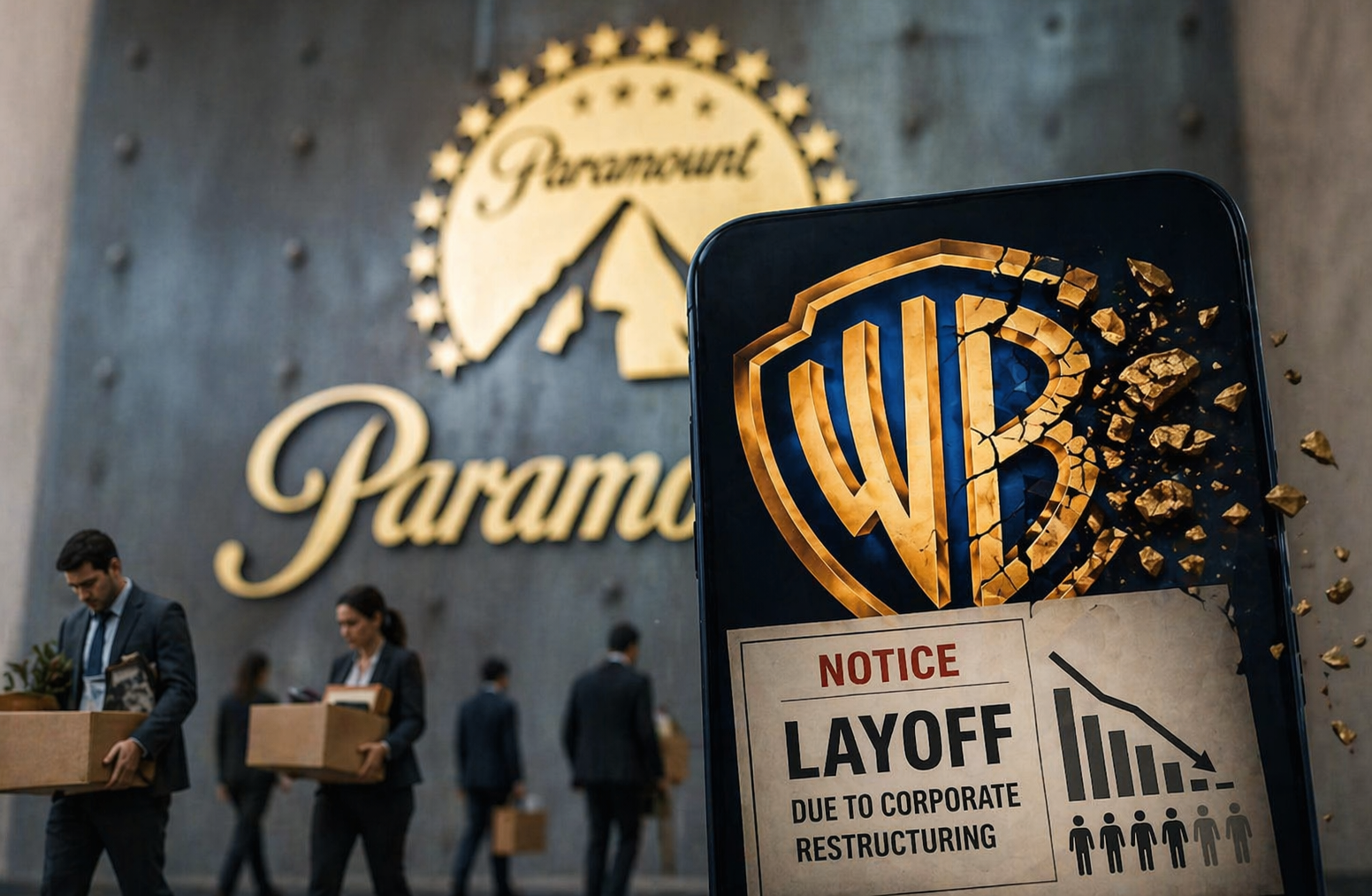
The merger between Paramount Global and Warner Bros. Discovery is drawing sharp criticism from political leaders and industry observers, who warn it could reshape Hollywood in ways that threaten jobs, creativity, and regional economies, including New York’s.
New York City Mayor Zohran Mamdani recently expressed concern about the deal’s potential local impact, citing the city’s reliance on film and television production as a key economic driver. Officials fear consolidation could centralize decision-making, reduce production diversity, and shift projects away from major hubs like New York, affecting thousands of workers tied to the entertainment ecosystem.
Mamdani has raised concerns over the proposed merger between Paramount Global and Warner Bros. Discovery, warning it could harm workers and creative output. In a recent social media post, Mamdani argued that large media consolidations often prioritize profits over people, putting jobs at risk while narrowing storytelling diversity. He emphasized that New York’s film and television workforce could face uncertainty if production decisions become more centralized, reflecting broader anxieties about corporate power shaping Hollywood’s future.
READ: Warner Bros. Discovery, Paramount merger faces shareholder scrutiny (April 23, 2026)
Critics say the merger could have lasting consequences for creativity and content. By combining two major studios, the new entity may prioritize blockbuster franchises and proven intellectual property over riskier, original storytelling. Industry analysts argue that fewer independent decision-makers typically lead to more uniform content, limiting experimentation at a time when audiences are demanding diverse narratives.
From an economic and political perspective, the deal has triggered debate in Washington and state capitals. Lawmakers are increasingly scrutinizing media consolidation for its impact on competition, labor markets, and cultural influence.
READ: Mamdani rejects presidential 2028 talk, stresses NYC results (April 20, 2026)
For New York, the stakes are particularly high. The city’s film and television industry supports a wide range of jobs, from production crews to post-production specialists. Any shift in production strategy could ripple across the local economy, raising concerns about job stability.
Looking ahead, the future of Hollywood may hinge on how regulators respond and whether the merged company can balance scale with creative risk-taking. While proponents argue the deal could strengthen global competitiveness, critics warn it may come at the cost of innovation and employment, reshaping the industry in ways that are difficult to reverse.