



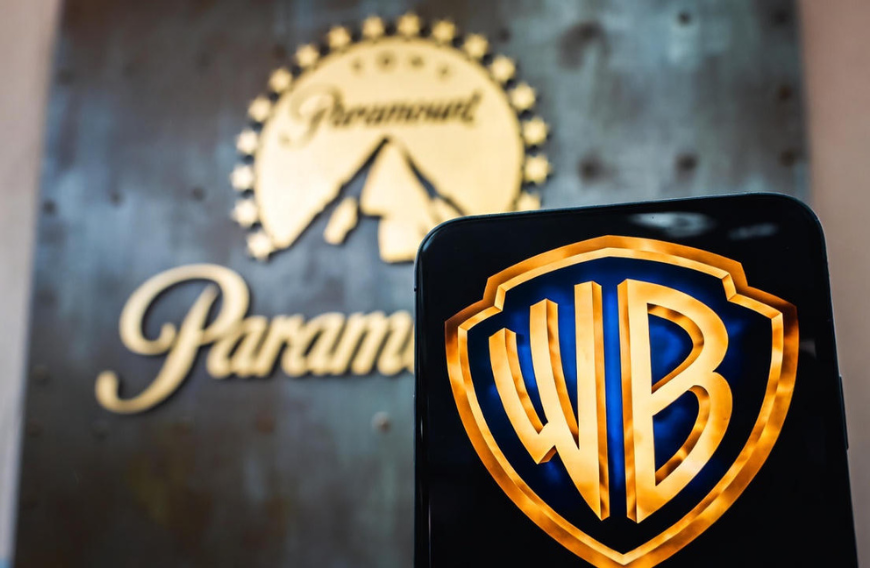
The proposed Warner Bros. Discovery-Paramount deal has reached a critical juncture as shareholders weigh in on a transaction that could reshape the U.S. media landscape. The vote marks a defining moment for Warner Bros. Discovery and Paramount Global, as both companies face mounting pressure to scale up amid intensifying competition in streaming and traditional entertainment.
The deal aims to combine two legacy media giants to create a stronger competitor in a crowded market dominated by global streaming leaders. Executives argue that merging content libraries, production capabilities, and distribution networks will unlock significant cost synergies and improve profitability. The companies also expect the combined entity to better compete for advertising and subscriber growth.
Read: Warner Bros. celebrates Oscar success amid looming Paramount deal (March 16, 2026)
Initial signals point to a split among shareholders, as large institutional investors carefully assess the deal’s financial framework and its potential for long-term returns. While some investors support consolidation as necessary for survival, others question whether the transaction adequately addresses existing debt burdens and integration risks.
A major institutional investor reportedly noted that consolidation in media has become inevitable, given the rapid shift toward streaming platforms and declining cable revenues. The investor emphasized that while scale can drive efficiencies, execution remains the key challenge. Past mergers in the sector have shown that combining creative cultures and operational systems proved more complex than projected, raising concerns about whether expected benefits will materialize.
The deal has also sparked backlash over executive compensation packages tied to the merger. Critics argue that leadership incentives appear misaligned with shareholder interests, especially as cost-cutting measures may impact employees and content investments.
READ: Hollywood stars including Ruffalo, Phoenix oppose $110B studio merger (April 15, 2026)
According to CNBC, a governance expert shows that large payouts during transformative deals frequently trigger shareholder dissent, particularly when companies are under financial strain. The expert pointed out that investors increasingly demand accountability and transparency, especially in industries undergoing disruption. This scrutiny reflects a broader trend in corporate governance, where executive rewards are closely tied to measurable performance outcomes.
If approved, the companies will move toward regulatory review and integration planning. Analysts expect potential divestitures and restructuring efforts to follow, as the merged entity seeks to streamline operations and reduce overlap.
The Warner Bros. Discovery-Paramount deal underscores a pivotal shift in the media industry. As streaming competition intensifies, traditional players are racing to consolidate resources and remain relevant. The outcome of this vote could signal how investors view large-scale mergers as a strategy for survival in a rapidly evolving entertainment ecosystem.