



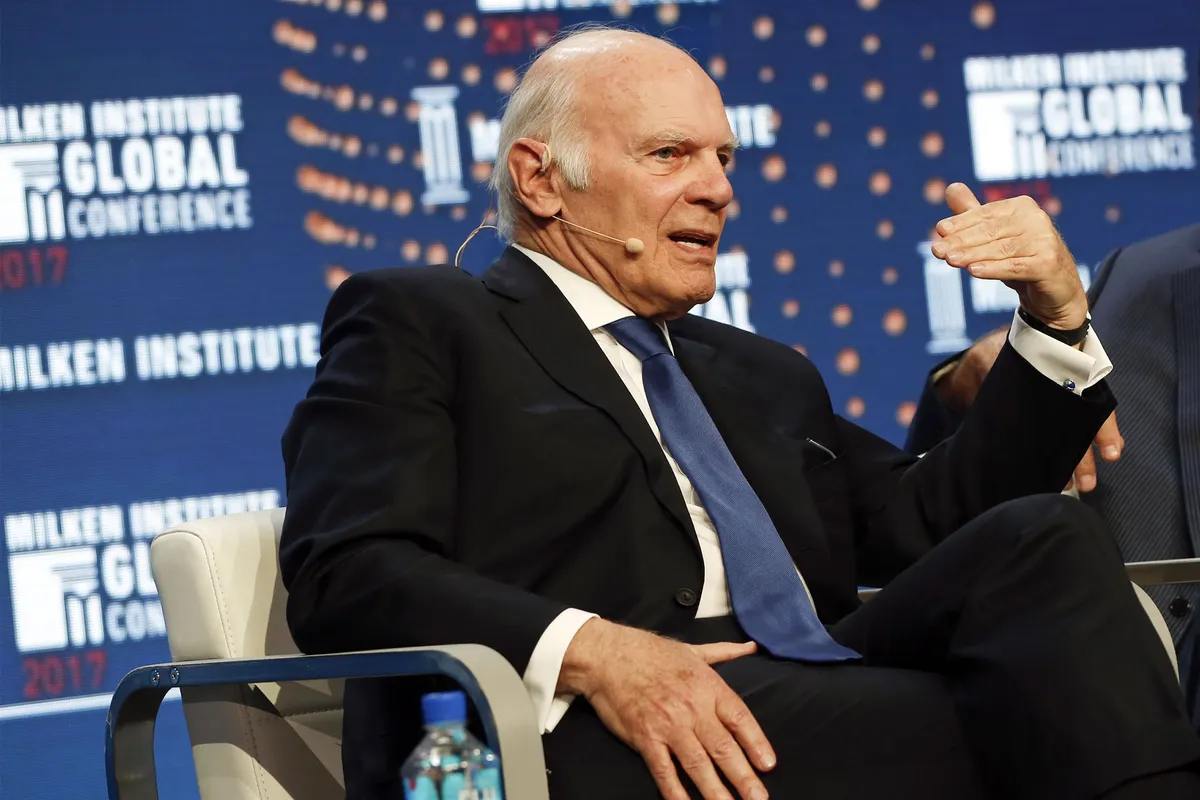
A prominent New York real estate executive has sparked controversy after likening the phrase “tax the rich” to racial slurs, drawing criticism amid an ongoing debate over wealth taxation in the city.
Steve Roth, chief executive of Vornado Realty Trust, made the remarks during a company earnings call while responding to a proposed tax targeting high-value second homes. The policy, backed by New York City Mayor Zohran Mamdani, aims to impose additional levies on properties worth more than $5 million that are not primary residences.
READ: ‘Tax the rich’: Mamdani backs NYC tax on luxury homes (April 16, 2026)
“I consider the phrase ‘tax the rich’ … to be just as hateful as some disgusting racial slurs,” Steve Roth said.The statement reflects growing tensions between business leaders and policymakers over how to address inequality and city revenues. Critics argue that such comparisons trivialize the historical and social weight of racial discrimination. At the same time, supporters of Roth say the rhetoric surrounding wealth taxation has become increasingly hostile toward high earners.
Steve Roth also criticized the mayor’s approach to promoting the policy, including a video filmed outside billionaire Ken Griffin’s Manhattan residence, calling the move “irresponsible and dangerous.”His comments come as New York officials push measures aimed at increasing revenue from wealthy property owners, a strategy proponents say is necessary to fund public services and reduce inequality. The proposed “pied-à-terre” tax has become a focal point in that debate, highlighting broader questions about how cities tax wealth and investment.
READ: Second homeowners in NYC will have to pay extra taxes (April 15, 2026)
“But the rich whom the politicians are targeting … are the epitome of the American dream,” Steve Roth said. The argument highlights a long-standing position among some business leaders that high-income individuals contribute disproportionately to tax revenues and economic activity. Roth noted that the top 1% account for roughly half of New York’s income tax collections, framing them as key drivers of employment and philanthropy.
However, critics of this view argue that rising inequality and housing pressures require more aggressive wealth taxation, particularly in cities with high living expenses and widening income gaps.
Mayor Mamdani’s office did not immediately respond to requests for comment, according to reports.
The episode highlights how debates over taxation, inequality, and economic policy are increasingly shaped by sharp rhetoric, as policymakers and business leaders clash over how to balance growth with redistribution in major urban economies.