



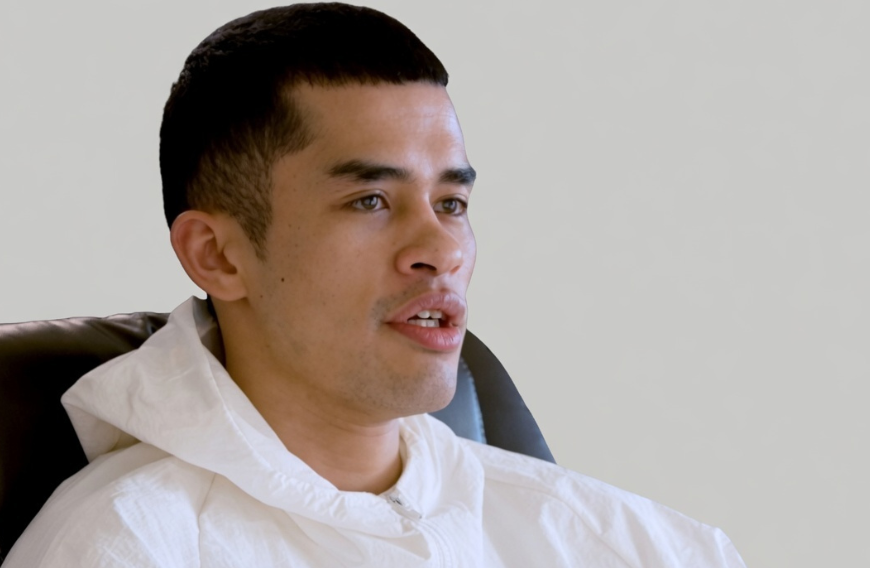
Australia has imposed a lifetime visa ban on U.S.-based internet personality Sneako, increasing global scrutiny around online extremism and influencers.
The decision, announced by Home Affairs Minister Tony Burke, came soon after the streamer, whose real name is Nicolas Kenn De Balinthazy, entered the country on a valid visa. Authorities quickly canceled that visa and removed him after public backlash and a review of his past content.
“Our government has made it very clear we will use every power available to us to protect our community from people coming to this country to spread hatred,” Burke told Sky News.
“The clauses that have been used to cancel this visa were amended by the parliament early this year.
“That means it’s not simply the current visa that is cancelled, there is now a lifetime ban preventing him from ever applying for another visa to Australia. We are a better country when he is somewhere else.”
A U.S. influencer under global scrutiny
Sneako has built a large following online but has also been removed from major platforms, including YouTube, for what the company described as “extreme hateful conduct.” His content has drawn criticism for antisemitic remarks, misogyny, and extremist views.
READ: ‘Your fans won’t forget’: Akaash Singh faces heat as ‘Flagrant’ podcaster shifts tone on Trump (January 30, 2026)
Clips online show him using Nazi slogans and chanting phrases that many groups say encourage violence against Jews. He has also been linked to the “manosphere,” an online space often criticized for anti-women views.
Earlier this year, videos from New York City showed Sneako leading a crowd in chants tied to the historic Battle of Khaybar. Jewish groups say this language has been used by extremist groups as a threat.
Visa canceled amid political pressure
Officials said Sneako’s visa was canceled soon after media reports confirmed his arrival. He was then deported. Authorities said if he had refused to leave, he would have been placed in immigration detention.
Opposition politicians also supported the move. Shadow Home Affairs Minister Jonathon Duniam said it was “without question” that the visa should be canceled.
“For anyone who goes and Googles this individual, this strange character, is a misogynist. He praises Hitler. He is an antisemite,” Duniam told Sky News.
He also said the case raised concerns about Australia’s visa screening system.
Controversial associations and public backlash
During his visit, Sneako reportedly met Ahmad Hraichie, the father of convicted ISIS member Bourhan Hraichie. Officials said there is no suggestion of wrongdoing by Ahmad Hraichie.
The visit still added to public concern. More than 9,000 people signed a petition asking for his removal.
U.S. political activist Laura Loomer wrote: “NEW: Muslim streamer @sneako who Florida GOP Gubernatorial candidate @j_fishback James Fishback called “brilliant” has been slapped with a lifelong ban from Australia after he visited with the father of an ISIS terrorist in Australia and was reportedly spreading hate against Jews.
READ: ‘Americans are paying the price’: Priya Patel on migrant crime, cites Grok data (April 29, 2026)
For some reason, @kick continues to partner with Sneako, who was recently caught on camera chanting Islamic chants in New York City calling for Jews to be killed. Sneako is making close to $200,000 per month on Kick.
@awscloud As I said last year, and in 2024, Sneako is radicalizing young men to convert to Islam and now he’s meeting with ISIS family members abroad for “content”.
I have called on the @FBI to investigate him many times before he does something insanely violent. He’s a ticking time bomb… Scary. @FBIDirectorKash Cc:
@nikitabier @elonmusk check this out!”
Wider debate over platforms and accountability
The controversy has also brought attention to streaming platform Kick, which still hosts Sneako despite bans elsewhere. Critics say platforms like this allow harmful content to spread, while supporters argue it is about free speech.
Sneako has also appeared with figures like Andrew Tate and Nick Fuentes, which has added to concerns about online extremist networks.
A signal beyond Australia
For U.S. audiences, the case shows how other countries are willing to use immigration laws to block individuals linked to hate speech, even if they are American.
Australia’s move sends a clear message. Being popular online does not guarantee entry into another country if authorities believe it could harm the community.