



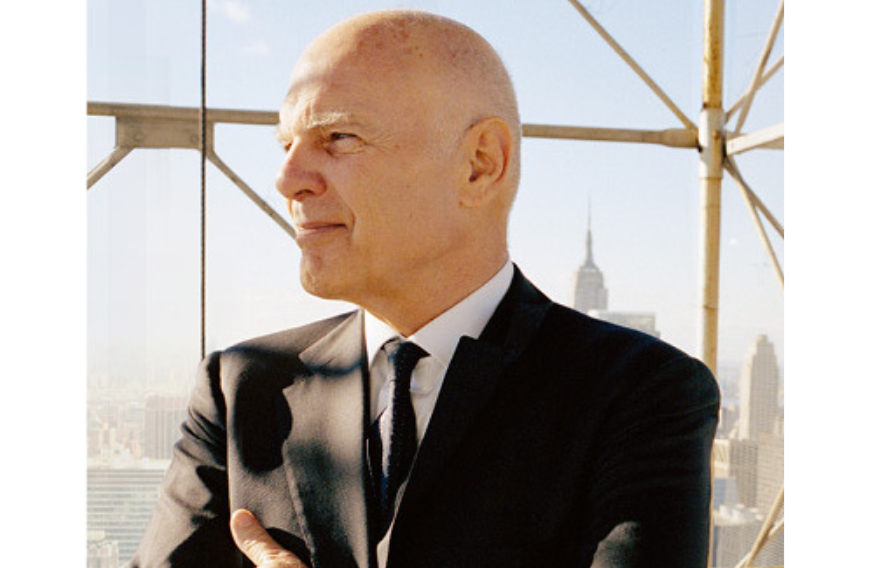
The chairman of one of New York’s largest commercial landlords sparked a public outcry this week after comparing the political slogan “tax the rich” to the use of “disgusting” racial slurs.
Steven Roth, the CEO of Vornado Realty Trust, made the comments during an official earnings call with investors. While discussing the current political climate and fiscal policies targeting the wealthy, Roth argued that the language used by some lawmakers has become inherently “hateful.”
“I must say that I consider the phrase ‘tax the rich,’ when spit out with anger and contempt by politicians both here and across the country, to be just as hateful as some disgusting racial slurs,” Roth said.
READ ‘Exodus of billionaires’: Silicon Valley titans pushes back against proposed wealth tax (January 14, 2026)
The billionaire’s remarks were in regards to a recent social media campaigns from New York State Assembly member Zohran Mamdani. The lawmaker has frequently used Vornado’s luxury properties as backdrops for videos advocating for higher taxes on the ultra-wealthy to fund public services.
Roth characterized these efforts as “dangerous” and argued that the top 1% of earners, who provide a significant portion of the city’s tax base, should be treated with more gratitude.
The comparison was met with immediate condemnation from labor advocates and public figures. Critics pointed out the vast difference between historical systemic discrimination and a policy debate over marginal tax rates. Douglas Farrar, a former director at the Federal Trade Commission, noted that there was a time when the ultra-wealthy avoided such public grievances, but suggested that some now demand “gratitude” for their economic status.
READ: Rep. Pramila Jayapal introduces tax plan targeting ultra-wealthy (April 17, 2026)
The controversy highlights a growing friction between the executive class and the American workforce. According to a recent report by Dayforce and the Living Wage Institute, the percentage of U.S. workers earning a living wage fell to 50.7% last year. The study indicates that roughly half of the full-time workforce is struggling to keep up with the cost of housing and basic necessities.
Roth also defended his business partner, Citadel founder Ken Griffin, whom Mamdani had singled out in recent public statements. Roth described Griffin as a “patriot” and a major contributor to the state’s economy, framing the push for a “pied-à-terre” tax on luxury secondary homes as an attack on the American dream.
While Roth maintains that the rhetoric against the wealthy is divisive, his critics argue that his comments illustrate a profound disconnect from the economic hardships facing millions of Americans. For those struggling to afford a basic standard of living, the “anger and contempt” Roth noted is seen not as hate speech, but as a demand for economic fairness.