



By Kashmira Konduparty
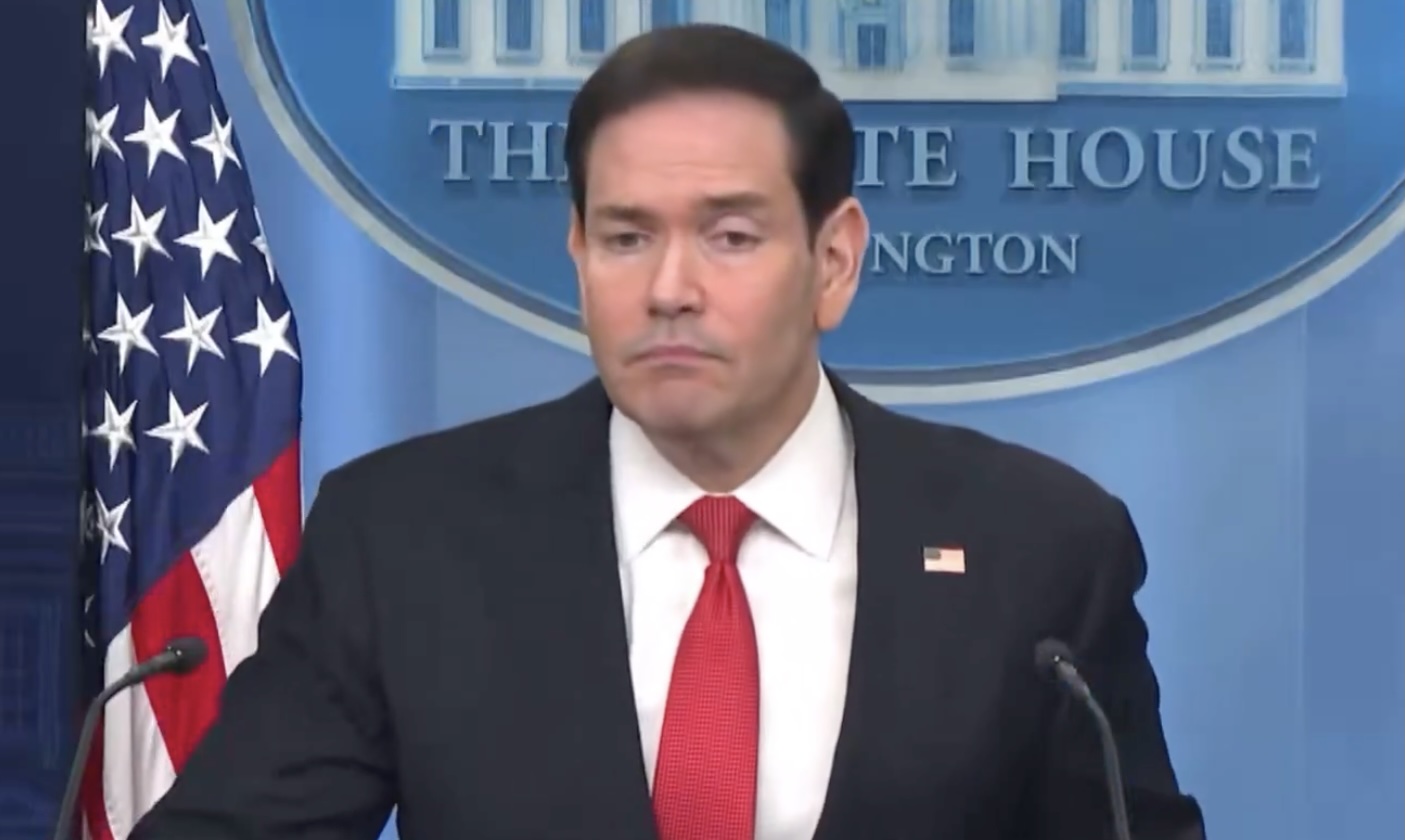
Billionaire CEO Elon Musk shared a video of Secretary of State Marco Rubio on X as he filled in for Press Secretary Karoline Leavitt during a White House briefing on Wednesday while she is on her maternity leave.
In the video, Rubio talked about his hopes for the United States and said “My hope for America is what’s it’s always been… we want it to continue to be the place where anyone from anywhere can achieve anything. Where you’re not limited by the circumstances of your birth, by the color of your skin, by your ethnicity, but frankly it’s a place you’re able to overcome challenges and achieve your full potential.”
“Each generation has left the next generation of Americans freer, more prosperous, safer and that is our goal as well,” Rubio added.
Musk reposting Rubio’s address on X implies his support for what was expressed. Musk has frequently framed the “American Dream” around opportunity, hard work, and skilled immigration, often pointing to his own journey as an immigrant entrepreneur in the United States.
In December 2025, defending the H-1B visa program, Musk said America has “benefited immensely” from talented immigrants, particularly from India, arguing that attracting global talent is essential to innovation and economic growth. He has also described the U.S. as a place where people from “any race, creed or nationality” can succeed through contribution and perseverance
In response to the X post, one user posted an income statistic about immigrant-origin groups in the United States. The chart, which cites 2019 data from the American Community Survey, compares median household incomes among selected ancestry groups in the U.S. According to the graphic, Indian Americans reported the highest median household income at $126,705, followed by Taiwanese Americans and Filipino Americans.
Several immigrant-origin communities listed in the chart recorded incomes higher than the median household income shown for White Americans.
The post argues that the United States continues to provide economic opportunity for immigrants and their families, reinforcing the idea commonly referred to as the “American Dream.” By pairing the statistics with Rubio’s statement, the account suggested that immigrant communities continue to achieve economic success and contribute significantly to the American society.
The post quickly gained traction online as immigration and economic mobility remain central topics in U.S. political debate. Supporters of the post viewed the data as evidence that immigrants positively contribute to the economy and that the country still offers opportunities for upward mobility. Others shared the chart as a response to growing anti-immigration rhetoric on social media and in politics.
However, critics argued that income statistics alone do not fully capture the broader immigrant experience in the United States. Some users noted that factors such as education levels, employment sectors and selective immigration policies can heavily influence income outcomes among certain communities. Others said social media graphics often oversimplify complex economic and social realities.