



By Kashmira Konduparty
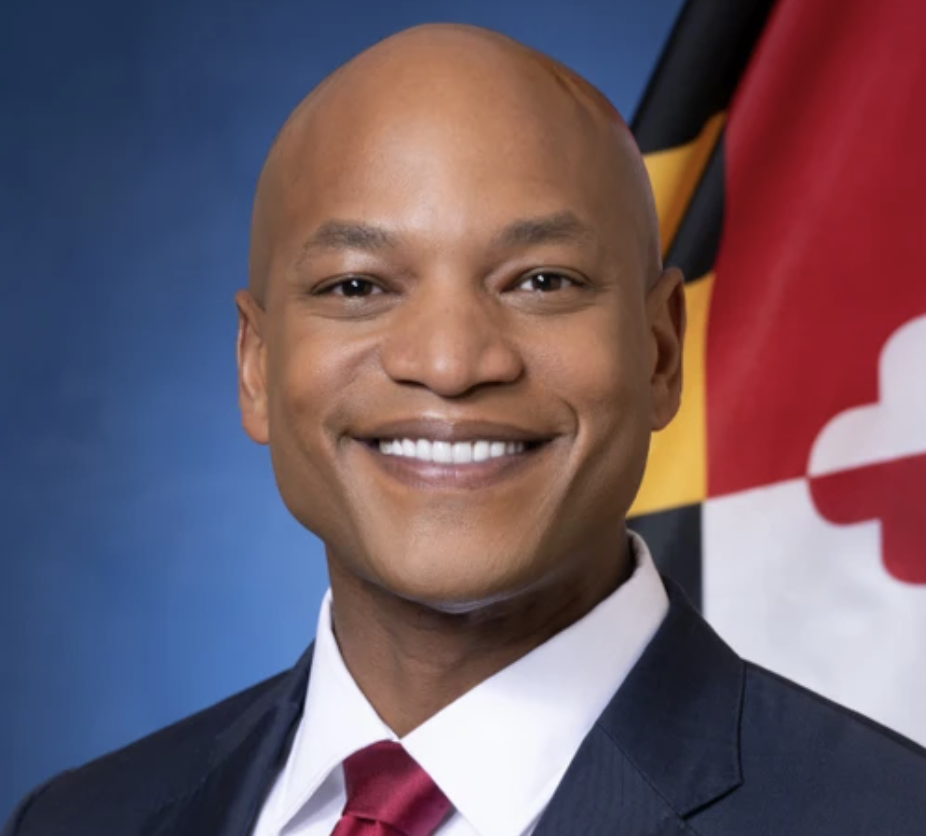
Maryland Governor Wes Moore secured the Democratic nomination for a second term on Tuesday, easily defeating challenger Eric Felber and advancing to a general election contest that will test the popularity of one of the Democratic Party’s rising national figures.
The Associated Press projected Moore as the winner shortly after polls closed, handing the first-term governor a decisive victory in a race that drew relatively little suspense. Moore, who was elected in 2022 as Maryland’s first Black governor and only the third Black person elected governor in U.S. history, entered the primary as the overwhelming favorite.
READ: Maryland District 23 candidate Raaheela Ahmed on education, transparency, and public service (June 11, 2026)
Felber, a physician and clinic owner from Montgomery County, mounted a long-shot campaign centered on expanding healthcare access and raising the minimum wage. However, Moore’s strong fundraising advantage, high approval ratings and support from the Democratic establishment left little room for an upset.
Since taking office, Moore has focused on issues including affordability, public safety, education and economic development. His administration has also worked to attract business investment while advancing initiatives aimed at workforce development and reducing poverty. Before entering politics, Moore served as a U.S. Army officer, worked as a White House Fellow, led the anti-poverty nonprofit Robin Hood Foundation and authored the bestselling book “The Other Wes Moore.”
Moore now turns his attention to the November general election, where he is expected to face former state delegate Dan Cox, who won the Republican gubernatorial primary Tuesday night. Cox, the GOP nominee in 2022, lost to Moore by a wide margin in their previous matchup but has sought another opportunity to challenge the Democratic governor.
The governor’s renomination came as Maryland voters also decided several closely watched congressional primaries. Among the most notable races was the contest to succeed retiring longtime Congressman Steny Hoyer in the state’s heavily Democratic 5th Congressional District. State Delegate Adrian Boafo won the Democratic nomination in that race after receiving endorsements from Hoyer and Moore.
Along with Moore, Indian American Aruna Miller also won the Democratic primary as the lietenant governor and is headed for the November election, seeking a second term.
READ: Amar Mukunda’s primary victory signals a generational shift in Maryland politics (June 24, 2026)
Maryland remains one of the most reliably Democratic states in the country, giving Moore a significant advantage heading into the fall campaign. Political observers view the governor as a prominent figure within the national Democratic Party and a successful reelection bid could further elevate his profile ahead of future national political discussions.