



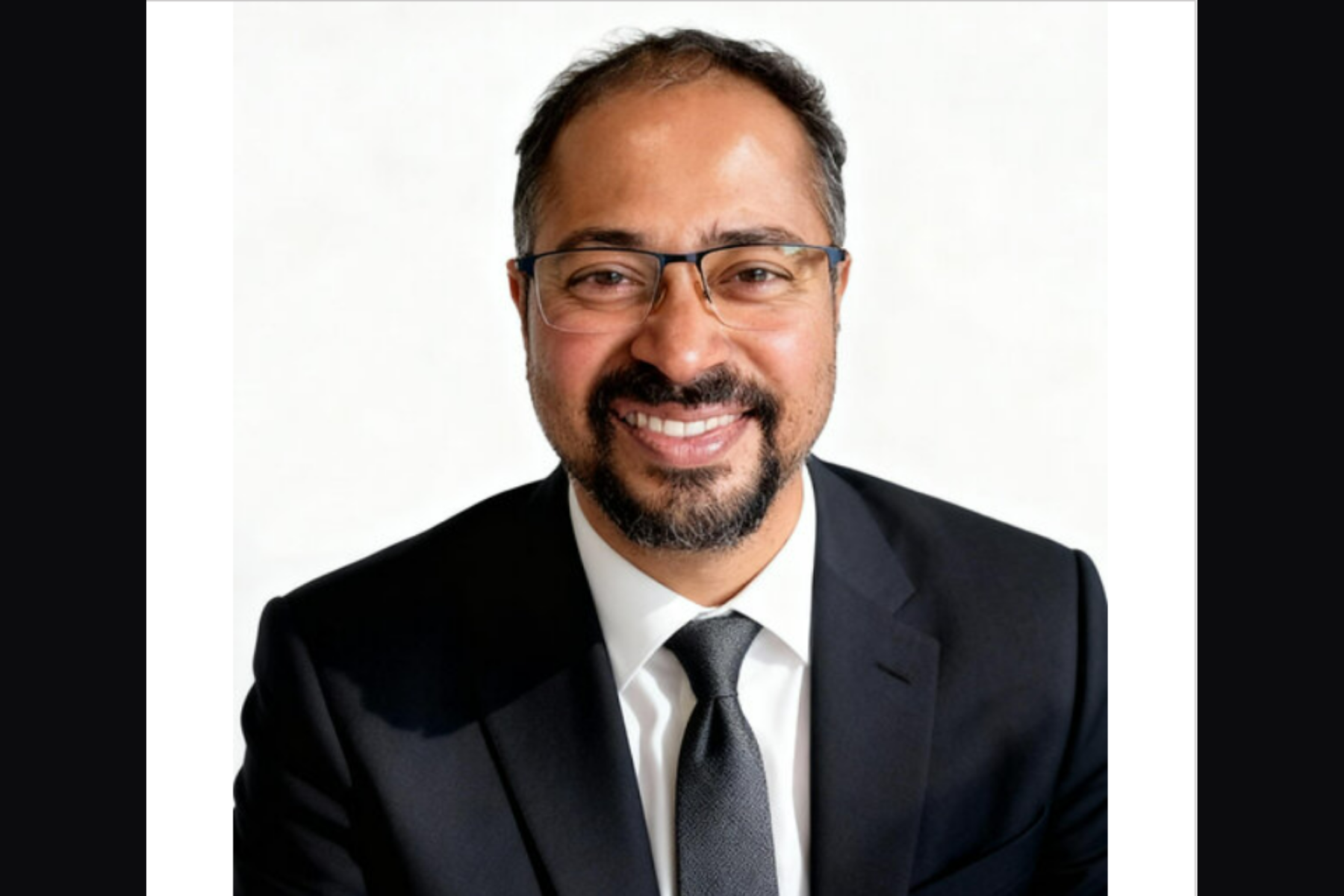
L7 Informatics, Inc., developer of the L7|ESP enterprise science platform, has named artificial intelligence and bioinformatics executive Narayana “Ray” Veeraraghavan as its vice president of science and artificial intelligence.
In his new role, Veeraraghavan will direct the company’s scientific content strategy, oversee client adoption of the L7|SYNAPSE agentic AI platform, and advise key enterprise accounts. He reports directly to Chief Executive Officer Vasu Rangadass.
Veeraraghavan holds a Bachelor of Engineering degree from the University of Mumbai, as well as a Master of Science and a Doctor of Philosophy from Pennsylvania State University.
Read: Three Indian Americans join Northern Virginia tech council board
By (July 13, 2026)
He brings over 24 years of experience translating machine learning and computational tools into regulated life sciences operations to the Austin, Texas based firm.
Prior to joining L7 Informatics, Veeraraghavan served as executive director of bioinformatics and data science innovation at Quest Diagnostics. In that capacity, he led applied AI and data science initiatives for a molecular diagnostics portfolio exceeding $2.5 billion and headed the enterprise team that selected L7|ESP for clinical operations.
Earlier in his career, Veeraraghavan held senior leadership roles at Rady Children’s Institute for Genomic Medicine. There, he helped design the AI system powering a rapid whole-genome sequencing clinical workflow for critically ill infants, which received a Guinness World Record and was featured in the journal Nature.
Read: Indian American high school graduate from Florida sets historic grade point average record (July 16, 2026)
L7 Informatics created L7|ESP as a unified data and execution layer designed to replace fragmented software tools in life sciences. Rather than operating as a standalone application, the platform connects lab operations, data pipelines, and manufacturing processes into a single architecture.
“Ray has spent his career turning frontier AI into production-grade systems that scientists and clinicians actually trust,” Rangadass stated. “He knows our platform not as an outsider but as someone who evaluated and chose it for critical work.”
Veeraraghavan noted that life science initiatives often stall in the gap between theoretical AI models and functional laboratory environments. At L7, he plans to focus on creating standardized, reusable scientific workflows to accelerate customer implementations.
“I am joining to help L7 customers realize that value where it matters most — not in a demo, but in their labs and on their manufacturing floors,” Veeraraghavan stated.