



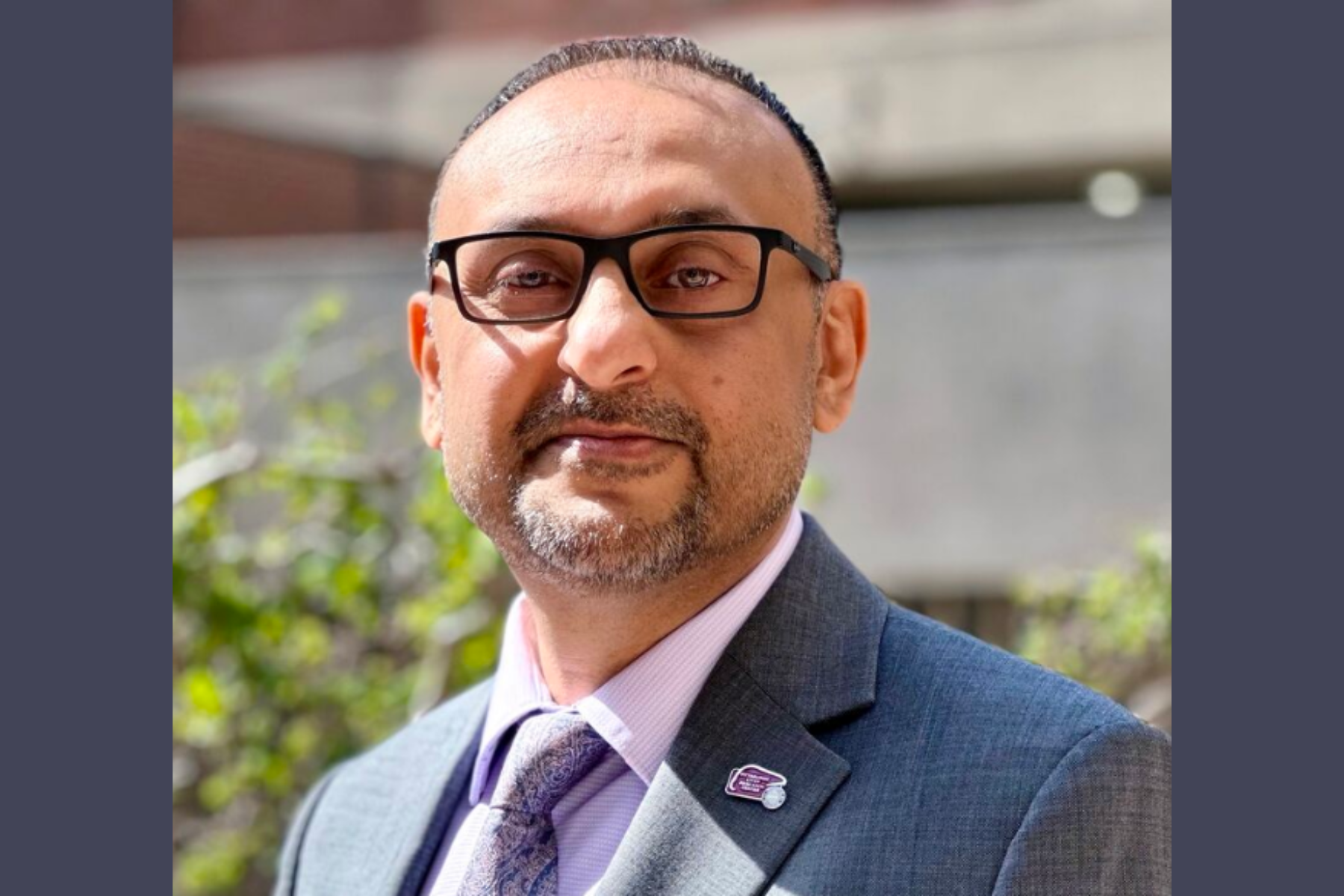
The University of Pittsburgh School of Medicine has appointed Dr. Satdarshan Pal Singh Monga as the chair of its Department of Pharmacology and Chemical Biology.
Monga, an internationally recognized physician-scientist whose research centers on liver biology, regeneration, and disease, assumes the leadership role while continuing to manage several major scientific initiatives across the university.
Born and educated in India, Monga earned his Doctor of Medicine degree from Dayanand Medical College and Hospital, affiliated with Panjab University in Chandigarh.
Following his medical training in India, he moved to the United States for advanced research, completing postdoctoral fellowships in gastroenterology, hepatology, and molecular biology at the Georgetown University School of Medicine and the Fels Cancer Institute at Temple University Hospital.
Read: Yogesh Vohra named interim dean of Alabama college (July 28, 2026)
In 1999, Monga joined the faculty at the University of Pittsburgh, where he has spent more than 25 years in progressive research and administrative roles.
His past leadership positions include serving as vice chair and division director of Experimental Pathology, assistant dean for the Medical Scientist Training Program, and founding director of the Pittsburgh Liver Research Center, which has received support from the National Institute of Diabetes and Digestive and Kidney Diseases since 2019.
Most recently, in 2024, he was named the inaugural director of the Organ Pathobiology and Therapeutics Institute (OPTIn) and associate dean of research at the School of Medicine.
He also serves as the Senior Vice Chancellor Chair in Pathobiology and Therapeutics, professor of pharmacology and medicine, and program director of the Cellular Approaches to Tissue Engineering & Regeneration (CATER) Program.
Read: Indian American economist Bhaven Sampat joins Johns Hopkins faculty (July 28, 2026)
Monga’s laboratory focuses on the molecular mechanisms governing liver development, metabolism, and cancer. His team’s work on Wnt/beta-catenin signaling has helped advance potential precision therapies for hepatocellular carcinoma into clinical trials.
Supported continuously by the National Institutes of Health and industry partners since 2003, he has authored more than 230 peer-reviewed articles in publications such as Hepatology, Gastroenterology, Cell Metabolism, and Nature.
In addition to his university duties, Monga is the president of the American Society for Investigative Pathology, editor-in-chief of Seminars in Liver Disease, and an inducted member of both the American Society for Clinical Investigation and the Association of American Physicians.
Reacting to the appointment on social media, Monga described it as a privilege and said he looks forward to serving the faculty and institution.