



By Rajwa Quasim
The war between the U.S. and Iran has intensified again this week, with strikes hitting military assets on both sides and President Donald Trump predicting that the conflict could end after the November midterm elections.
Iran-backed Houthi forces seized the strategic Yemeni port city of Mokha on Thursday, according to Reuters and The Associated Press. The latest developments have intensified concerns over global oil supplies and trade through the waterways near the Strait of Hormuz and the Bab el-Mandeb Strait.
U.S.-Iran updates
Several U.S. fighter jets at Muwaffaq Salti Air Base in Jordan were damaged in an Iranian strike Wednesday, according to sources cited by CBS News.
Iran claimed it attacked eight tankers and two warships, including the U.S. military base in Jordan. The strike caused light damage to eight F-15 fighter jets, which have reportedly been returned to service. An A-10 Thunderbolt, also known as the Warthog, was struck and reportedly lost a wing. No U.S. deaths have been reported.
Iran’s retaliation against U.S. military assets came after the U.S. attacked five Iranian oil tankers in response to an Iranian attack on a U.S. Navy warship.
U.S. Central Command said Tuesday that Iran had attacked a U.S. Navy warship with ballistic missiles twice over two days in an attempt to break the U.S. naval blockade.
READ: Iran war drives US energy costs higher, adding over $100B burden for Americans (September 8, 2026)
Regarding the U.S. attack on the five Iranian oil tankers, CENTCOM said in a statement:
“In response to Iran’s most recent failed attacks, CENTCOM destroyed the IRGC crude oil carriers M/T Kaviz, M/T Charminar, M/T Horizon 1, and M/T Riesco in the Gulf of Oman as well as M/T Derya near Kharg Island. American forces directed the crews to abandon ship before the vessels were struck and rendered inoperable.”
Iran’s senior military adviser, Maj. Gen. Yahya Rahim Safavi, wrote on X: “American warmongering was the best accelerator for transferring the weight of power and economic geography to the East. Pretending to conquer is a sign of defeat and acceptance of the multipolarization of power and international security.”
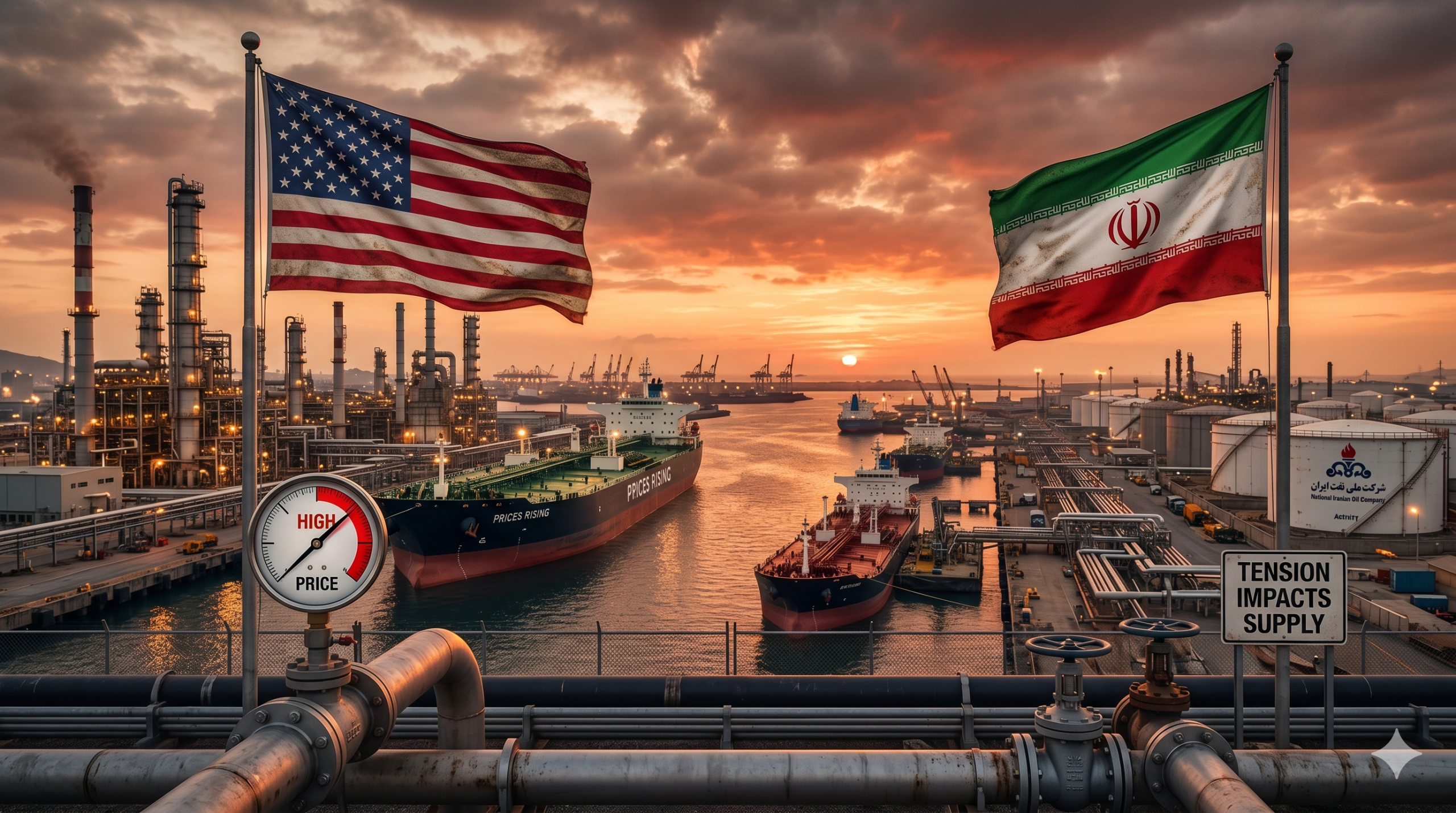
The escalating tensions have pushed oil prices sharply higher, with Brent crude rising above $100 a barrel for the first time since July 2024.
Meanwhile, Trump said the war could end soon after the U.S. midterm elections in November.
Speaking to reporters Wednesday, he said, “They’re desperate to try and affect the election so we can get a nice, weak group of people in there and leave them alone and let them have their nuclear weapon.”
Regarding the possibility of negotiations between the two countries, Trump added, “Originally I wanted to make a deal. We’re so far down the line, they have very little country left right now, so we’re not looking for it. Yes, a negotiation could possibly happen, but it’s not something we’re looking at.”
Houthis seize port city of Mokha
In a separate but closely connected development in Yemen, Houthi rebels seized the strategic port city of Mokha on Thursday.
READ: Oil prices rise as Middle East tensions escalate, Strait of Hormuz traffic slows (September 3, 2026)
Local residents told The Associated Press that the Houthis entered the city, with witnesses describing fighters spreading across major intersections and blocking the road leading into the city.
The development could have major implications for regional shipping. The port lies near the Bab el-Mandeb Strait, which connects the Red Sea with the Gulf of Aden.
Reuters reported that the Houthi advance threatens Saudi Arabia’s oil exports, particularly because the Strait of Hormuz is already severely disrupted.
The Houthis have also attacked southwestern cities in Saudi Arabia for two consecutive days, raising concerns about further escalation between the sides.
EU faces inflation from rising energy costs
Higher energy prices have contributed to rising inflation in Europe. The European Central Bank raised its deposit facility rate by 25 basis points to 2.5% on Thursday as higher energy prices fueled inflation concerns.
Higher interest rates make borrowing more expensive. As a result, consumers may reduce spending and businesses may scale back investment, which can help lower demand and ease price pressures.
The war, which began in late February between the U.S. and Iran, was initially expected to last a few weeks but has now stretched beyond six months.